EASA ATPL Theory Exams: 13 Subjects, Questions and Time Allowed
The EASA ATPL(A) theory is examined in thirteen papers: 671 multiple-choice questions and 20 hours 45 minutes of examination, each paper passed on its own at 75%. The papers are the same subjects the CPL uses, taken to airline depth, and the rules around them decide more careers than the questions do: an 18-month window, four attempts at any paper, six sittings, and a validity that lasts as long as you keep an instrument rating. This guide sets out the official number of questions and time for every paper, the rules in FCL.025 and how to plan the sittings.
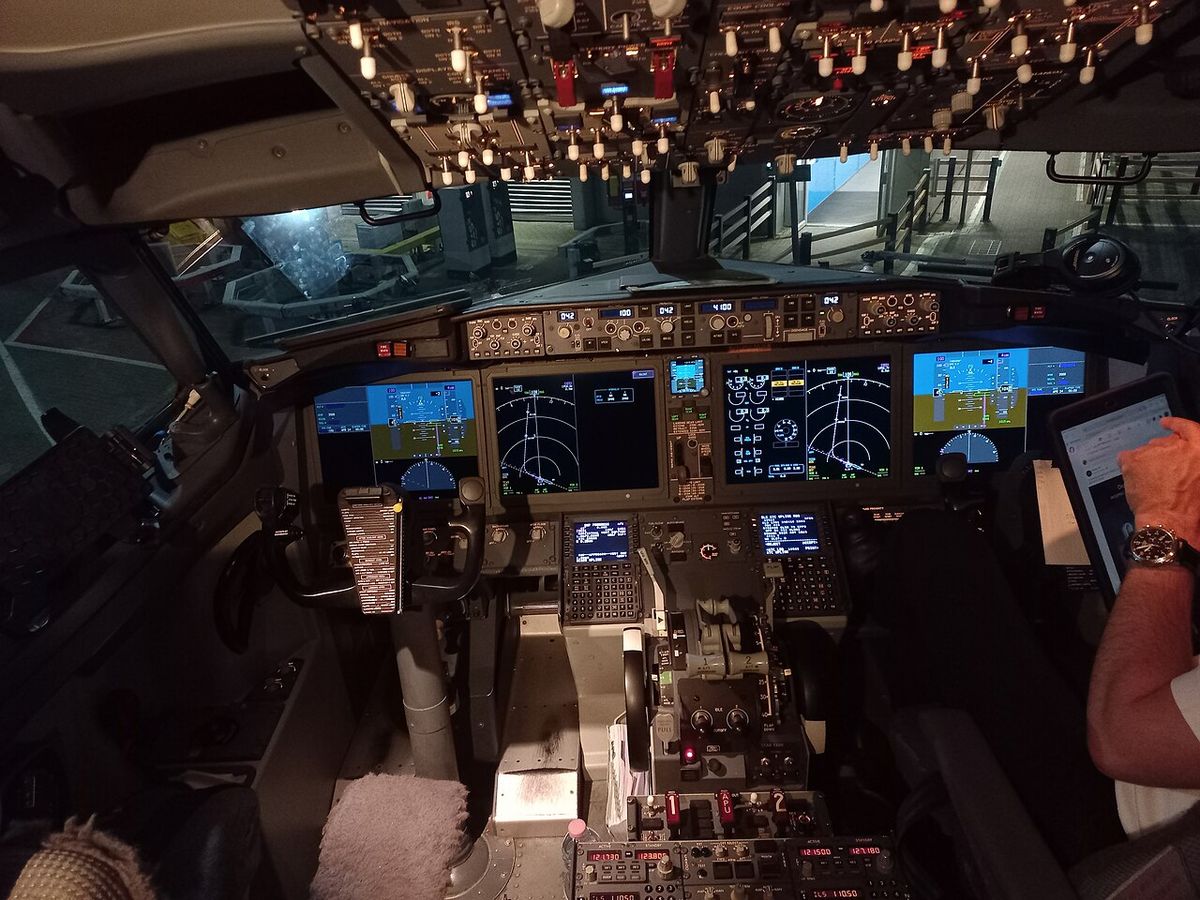
The thirteen papers, with questions and time
FCL.515 requires the ATPL(A) theoretical knowledge course and examinations, and the learning objectives are set out in the AMC to FCL.310, FCL.515(b) and FCL.615(b); the length of each paper comes from the examination procedures in AMC1 ARA.FCL.300(b). Subject 090 Communications replaced the old 091 VFR and 092 IFR Communications papers, so there are thirteen papers, not fourteen.
| Paper | Subject | Qs | Time | Min/Q |
|---|---|---|---|---|
| 010 | Air Law | 44 | 1:00 | 1.4 |
| 021 | Airframe, Systems, Power Plant and Emergency Equipment | 80 | 2:00 | 1.5 |
| 022 | Instrumentation | 60 | 1:30 | 1.5 |
| 031 | Mass and Balance | 25 | 1:15 | 3.0 |
| 032 | Performance | 45 | 2:00 | 2.7 |
| 033 | Flight Planning and Monitoring | 42 | 2:00 | 2.9 |
| 040 | Human Performance and Limitations | 48 | 1:30 | 1.9 |
| 050 | Meteorology | 84 | 2:00 | 1.4 |
| 061 | General Navigation | 55 | 2:15 | 2.5 |
| 062 | Radio Navigation | 66 | 1:30 | 1.4 |
| 070 | Operational Procedures | 42 | 1:15 | 1.8 |
| 081 | Principles of Flight | 46 | 1:30 | 2.0 |
| 090 | Communications | 34 | 1:00 | 1.8 |
| Total | 671 | 20:45 |
Question counts and times: EASA, AMC1 ARA.FCL.300(b), as amended by ED Decision 2020/018/R. Your competent authority runs the examinations and publishes its own notice; a few show small local differences, so check yours before you book.
Sit any of the thirteen at its official length and time: one clock, no answers until you submit, 75% to pass.
ATPL exam simulatorReading the table: where the time goes
The time per question is the column to plan around, and it splits the papers in two. The calculation papers are given far more time for each question: Mass and Balance allows 3.0 minutes, Flight Planning and Monitoring 2.9, Performance 2.7 and General Navigation 2.5, because a single question can mean reading a graph, working a load sheet or a fuel plan, or solving a triangle of velocities. The knowledge papers run at well under two minutes a question: Air Law and Radio Navigation at 1.4, Meteorology at 1.4, Instrumentation and Airframes and Systems at 1.5. There, a question you have to reason through from first principles is a question that costs you another one later.
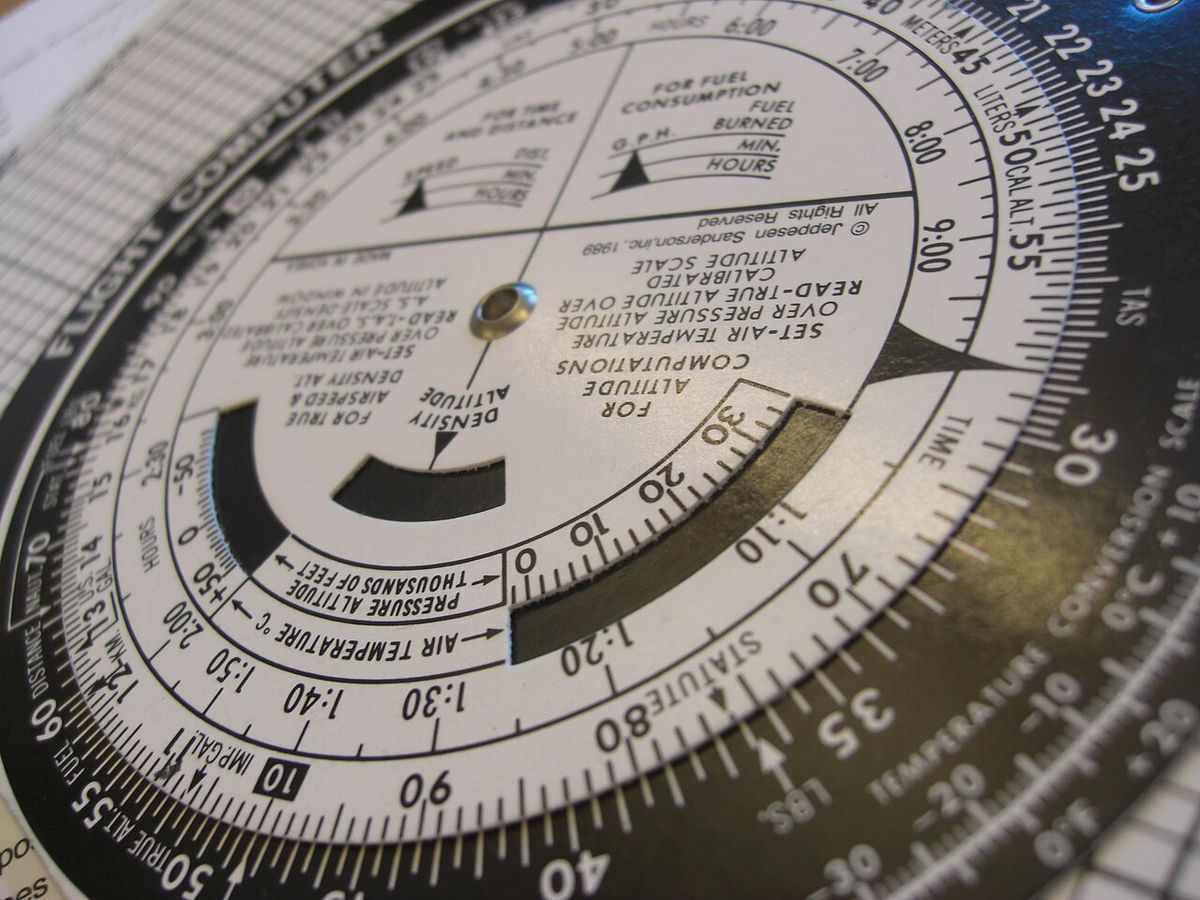
Two consequences follow. In the knowledge papers, answer what you know at once and flag the rest for a second pass; there is no time for a slow first reading. In the calculation papers, the danger is the opposite: one graph read wrongly and worked through carefully to a wrong answer. Check the units and the scale before you start, and estimate the answer before you calculate it, so that an option far from the estimate stands out.
The biggest papers by question count are Meteorology (84), Airframes, Systems and Power Plant (80) and Radio Navigation (66). They reward breadth more than depth: most of their questions test a fact or a definition, and a question bank worked through systematically is the most efficient preparation for them.
The rules that decide whether your passes survive
FCL.025 governs the process for every licence, and for the ATPL six figures matter:
| Rule | What it means |
|---|---|
| 75% | The pass mark, applied to each paper individually. Nothing is averaged and no paper compensates for another. |
| 18 months | The window for passing all thirteen, counted from the end of the calendar month in which you first attempted any paper. |
| 4 attempts | The maximum at any single paper. |
| 6 sittings | The maximum number of sittings in which the complete set must be passed. |
| 36 months | How long the completed set stays valid for the issue of a CPL or an instrument rating. |
| 7 years | How long it stays valid for the issue of the ATPL itself, counted from the last validity date of an instrument rating entered in your licence. |
A sitting is a period set by your competent authority, of not more than 10 consecutive days under AMC1 FCL.025, within which you may take papers, and only one attempt at any given paper is allowed in a sitting. The limits therefore interlock: four attempts at one subject use at least four of your six sittings, so a paper failed twice threatens the whole set rather than itself alone.
Break any of the limits and every pass is lost. Fail a paper for the fourth time, run past 18 months or use up six sittings, and you sit all thirteen again after further training at an ATO. It is almost always a scheduling failure rather than a knowledge failure, which is why the plan for the sittings matters as much as the study.
Before the first paper: the recommendation and Area 100
You can sit the papers only when your ATO recommends you. The recommendation is valid for 12 months; if you have not attempted at least one paper within that period, the ATO decides what further training you need before it recommends you again.
The 2020 syllabus added Area 100 KSA (knowledge, skills and attitudes). It is not examined by the authority; your ATO assesses it. Before recommending you for your first attempt at the final paper, the ATO has to be satisfied that you have passed the applicable Area 100 KSA summative assessments and a mental maths test, under AMC1 FCL.025(a)(2). Mental arithmetic practice is therefore part of ATPL preparation, not an optional extra.
The theoretical knowledge instruction itself is long: at least 750 hours on an integrated ATPL course and 650 hours on a modular one. On the modular route much of it can be distance learning, with classroom instruction at the ATO as well.
The "frozen ATPL" and the seven-year clock
Most airline pilots leave training with a CPL, a multi-engine instrument rating and a pass in all thirteen ATPL papers. That combination is informally called a frozen ATPL: the theory for the airline transport pilot licence is done, but the licence itself is issued only once the experience requirements of FCL.510.A are met, including 1,500 hours of flight time with 500 hours in multi-pilot operations, and the ATPL skill test is passed. For most first officers that takes several years.
The ATPL passes stay valid for that purpose for seven years from the last validity date of an instrument rating entered in the licence. In practice, a pilot who keeps the IR current keeps the ATPL theory alive: each revalidation moves the last validity date forward. The clock starts to run for real only if the instrument rating lapses.
The ATPL papers also credit what lies below them. Under Appendix 1 to Part-FCL, a pass in the ATPL examinations covers the theoretical knowledge for the LAPL, PPL and CPL and, except for helicopters, the instrument rating, in the same aircraft category. That is why students aiming at the airlines sit the ATPL papers and never a CPL paper.
How the papers are set and marked
Every question is multiple choice with four options and one correct answer, drawn from the European Central Question Bank (ECQB) that EASA maintains for the national authorities. The examinations are usually computer-based, at the authority or its examination centres, and there is no negative marking: a blank answer scores exactly what a wrong one does, so every question should be answered before time runs out.
The questions test the published learning objectives, and each paper spreads its questions across the syllabus topics in fixed proportions set out in the same AMC. The question bank itself is not published, so preparation means learning the subject from the learning objectives and practising on questions written to them.
Planning the sittings
How the thirteen papers are grouped is not regulated beyond the limits above, and ATOs and authorities differ, so the only fixed rules are your authority's calendar and FCL.025. Three principles hold everywhere:
- Keep a sitting in reserve. Six sittings sounds generous. Plan to finish in fewer, so that a failed paper can be retaken without touching the last one.
- Mix the paper types. A sitting of three calculation papers is heavier than one that pairs a calculation paper with knowledge papers; the time-per-question column above is a fair guide to the load.
- Watch the 18-month clock from the first paper. It starts at the end of the month of your first attempt at any paper, not at the start of the course.
In the final weeks before each sitting, sit full papers against the clock. Knowing the answers and producing 84 of them in two hours are different skills, and the second is trained only by timing yourself.
Every ATPL paper at its official length, marked at 75%, with a review of every answer.
Sit an ATPL paperFrequently asked questions
How many ATPL exams are there?
Thirteen. The EASA ATPL(A) theory is examined in Air Law, Airframes and Systems, Instrumentation, Mass and Balance, Performance, Flight Planning, Human Performance, Meteorology, General Navigation, Radio Navigation, Operational Procedures, Principles of Flight and Communications. Subject 090 Communications replaced the old separate VFR and IFR communications papers, which is why older sources count fourteen.
How many questions are in the ATPL exams?
The thirteen ATPL(A) papers total 671 questions and 20 hours 45 minutes of examination under AMC1 ARA.FCL.300(b). They range from 25 questions in 1 hour 15 minutes for Mass and Balance to 84 questions in 2 hours for Meteorology. Every question is multiple choice with four options, and each paper is passed separately at 75%.
How long is each ATPL exam?
Between one hour and two and a quarter hours. Air Law and Communications take 1 hour; Mass and Balance and Operational Procedures 1 hour 15 minutes; Instrumentation, Human Performance, Radio Navigation and Principles of Flight 1 hour 30 minutes; Airframes and Systems, Performance, Flight Planning and Meteorology 2 hours; and General Navigation 2 hours 15 minutes.
What is the pass mark for the EASA ATPL exams?
75% in each paper. Papers are not averaged, so a high score in one cannot make up for a fail in another. There is no negative marking, so a wrong answer costs no more than a blank one, and every question should be answered.
How long are ATPL theory exams valid?
For the issue of a CPL or an instrument rating, 36 months from completing the set. For the issue of the ATPL itself, seven years from the last validity date of an instrument rating entered in the licence, so keeping the IR current keeps the ATPL theory valid. All thirteen must first be passed within 18 months, in no more than six sittings and four attempts per paper.