Aquaplaning
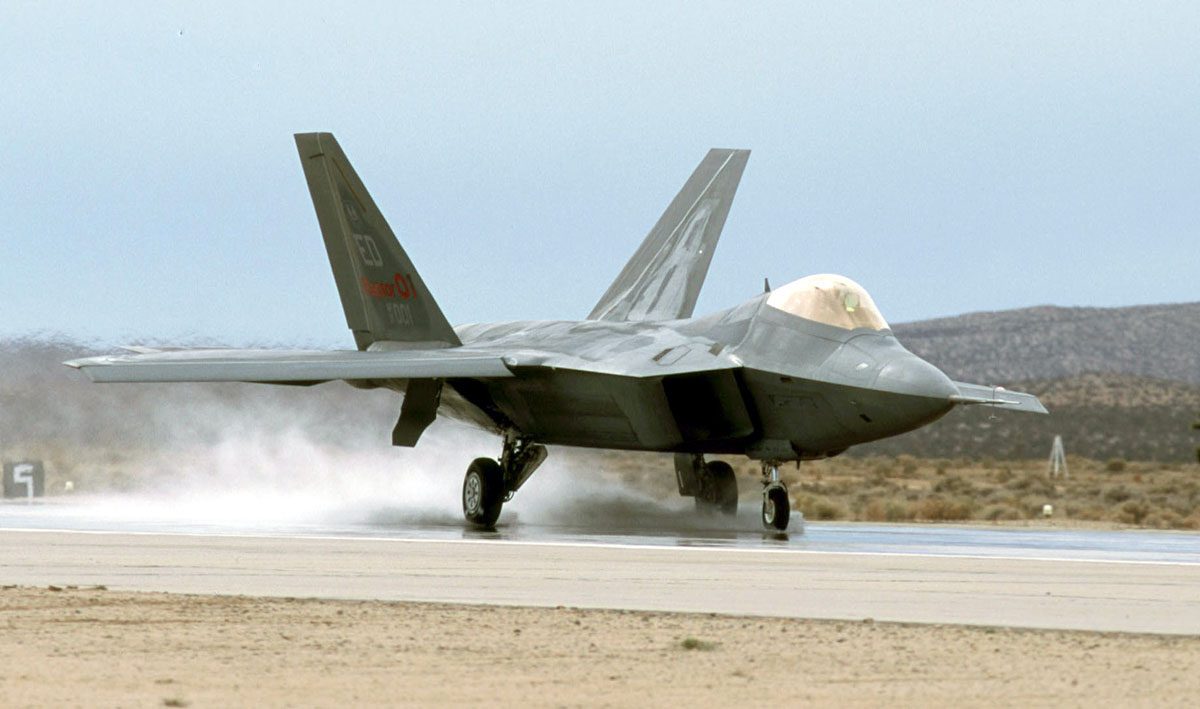
Aquaplaning, called hydroplaning in American usage, is the loss of contact between a tyre and the runway when a layer of water, or steam from a skidding tyre, carries the tyre. While it lasts, the wheels give almost no braking and no directional control.
Aquaplaning, called hydroplaning in American usage, is what happens when a tyre stops touching the runway and rides instead on water, or on steam produced by its own skid. A tyre that is not in contact with the pavement can neither brake nor steer. An aeroplane aquaplaning at speed therefore slows down only through aerodynamic drag, ground spoilers and reverse thrust, and stays on the centreline mainly through its rudder.
The subject matters at every level. The tyres of light aeroplanes run at low pressures and can aquaplane at speeds close to a normal touchdown speed. Airliner tyres run at much higher pressures, but their landing speeds are higher too, so on a flooded runway a large part of the landing roll can lie in the aquaplaning range. Aquaplaning is one of the mechanisms behind overruns and veer-offs on wet runways (see runway excursion and wet and contaminated runways).
What aquaplaning is
A rolling tyre on a wet surface has to push water out of its footprint, the patch where it meets the runway. The water escapes through the tread grooves, through the texture of the runway surface and out to the sides. The faster the tyre rolls, the less time each part of the footprint has to clear the water. Water builds up as a wedge ahead of and under the front of the footprint, and the pressure in that wedge lifts part of the tyre off the surface. Friction, and with it braking and cornering force, falls progressively as speed rises. This is partial aquaplaning.
When the pressure of the water under the tyre equals the tyre's inflation pressure, the whole footprint lifts clear. The tyre is then carried entirely by the water, and the coefficient of friction falls to almost zero. Three distinct mechanisms can produce this loss of contact:
| Type | Surface | Speed range | What carries the tyre |
|---|---|---|---|
| Dynamic | Standing water | High, from about 9√P kt | Pressure of water trapped under the tyre |
| Viscous | Thin film of water, even damp, on a smooth surface | Can occur at lower speeds | A film the tyre cannot break through |
| Reverted rubber | Wet surface, with a locked wheel skidding | Persists to very low speed | Steam generated by the skid |
Dynamic aquaplaning
Dynamic aquaplaning is the high-speed form. It needs standing water deep enough that the tyre cannot squeeze it away; FAA material puts the minimum at about a tenth of an inch, roughly 2.5 mm. Once the water is that deep, the speed at which aquaplaning begins is set essentially by the tyre pressure, not by the depth.
Several factors make it more likely or bring it on earlier:
- Low tyre pressure. A softer tyre is lifted by a lower water pressure, so it aquaplanes at a lower speed.
- Worn tread. Tread grooves are water channels. When they wear down, less water escapes and aquaplaning starts sooner.
- A smooth, ungrooved runway. Coarse surface texture and grooves give water an escape path; a smooth surface gives none.
- Speed. Everything else being equal, the faster the tyre, the less time the water has to escape.
The aeroplane's weight does not appear in this list. A heavy and a light aeroplane with the same tyre pressure start to aquaplane at the same speed.
When a braked wheel aquaplanes, it spins down and may stop turning altogether. The anti-skid system reads the falling wheel speed as an impending skid and releases the brake pressure, so the brakes achieve nothing until the tyre regains contact. Some anti-skid systems include hydroplane protection: if all the braked wheels on a bogie stop turning together, pressure is released on some of them so that they spin up and give the system a reference wheel speed again. On the Boeing 737, both the normal and the alternate brake systems provide skid, locked wheel, touchdown and hydroplane protection.
Aquaplaning speed formula
NASA research gave the rules of thumb that are still used in exams and in operations. With the tyre inflation pressure P in pounds per square inch, the aquaplaning speed VP in knots is:
- VP ≈ 9√P for a tyre that is already rotating when it runs into the water, as during the take-off run or the landing roll. This is sometimes called the spin-down speed.
- VP ≈ 7.7√P for a tyre that is not rotating, as at touchdown or with a locked wheel. This is the spin-up speed: a tyre touching down above it on standing water may not spin up at all.
The lower figure also marks the speed to which a tyre that is already aquaplaning must slow before it can be expected to regain contact. Once dynamic aquaplaning has started, it can persist well below the speed at which it began.
| Tyre pressure | Rotating tyre, 9√P | Non-rotating tyre, 7.7√P |
|---|---|---|
| 49 psi, light twin | about 63 kt | about 54 kt |
| 100 psi | about 90 kt | about 77 kt |
| 200 psi, jet transport | about 127 kt | about 109 kt |
With the pressure in bar or kg/cm², the rotating-tyre factor becomes about 34, because 1 bar is about 14.5 psi and 9 × √14.5 ≈ 34. A 7 bar tyre therefore aquaplanes from about 90 kt.
FAA handbooks do not all use the same constant. The Airplane Flying Handbook uses 9√P, while the Pilot's Handbook of Aeronautical Knowledge gives the minimum dynamic hydroplaning speed as 8.6√P, which gives about 60 kt for a 49 psi tyre instead of 63 kt. In an exam, use the factor the question states. In either form the figure is a guide, not a sharp limit: friction is already reduced below it, and tread, surface texture and water depth all shift the real onset.
Exam tip: the aquaplaning speed varies with the square root of the tyre pressure and with nothing else in the formula. Four times the pressure doubles the speed; weight has no effect; an under-inflated tyre aquaplanes earlier; and a non-rotating tyre aquaplanes at a lower speed than a rotating one.
Viscous aquaplaning
Viscous aquaplaning occurs on a very thin film of water, sometimes no more than a damp surface, lying on a smooth surface. The water cannot be squeezed out of the fine gaps between tyre and runway, so the tyre rides on a lubricating film. The runway's fine surface texture, its microtexture, is what normally breaks through such a film, and where that texture is missing the grip is poor.
Typical places are painted runway markings, smooth or polished pavement and, above all, the rubber deposits that build up in the touchdown zone. Viscous aquaplaning can occur at lower speeds than dynamic aquaplaning, and it can catch a crew out on a runway that is only reported as wet. Aerodromes counter it by removing rubber deposits, and by grooving the surface or laying a porous friction course.
Reverted-rubber aquaplaning
Reverted-rubber aquaplaning follows a long skid with a locked wheel on a wet runway. The heat of the skid reverts the rubber in contact with the runway to its soft, uncured state. The reverted rubber acts as a seal between tyre and runway and delays the escape of water from the footprint; the trapped water heats up and turns to steam, and the steam carries the tyre.
It persists to very low speeds and can end in a burst tyre. Afterwards the tyre shows a patch of reverted rubber, and the runway shows whitish streaks where the steam has cleaned the surface. The cause is a locked wheel, so an operative anti-skid system is the main defence. The risk rises when anti-skid is inoperative, and on any aeroplane whose pilot brakes hard enough to lock the wheels.
Effect on braking and directional control
While a tyre aquaplanes, the aeroplane loses the two things the wheels normally give it:
- Braking. Wheel braking is almost nil, whatever the pedal or autobrake demands. On many types, wheel spin-up at touchdown is also one of the signals that deploys the ground spoilers and starts the autobrake, so aquaplaning at touchdown can delay both.
- Directional control. An aquaplaning tyre produces almost no side force, so nosewheel steering is ineffective and the main wheels no longer resist sideways drift. A crosswind can then push the aeroplane off the centreline, and if it is yawed with reverse thrust selected, part of the reverse thrust pulls it further towards the edge.
During a take-off on a flooded runway the effect runs both ways. The drag of the water on the wheels falls once the tyres start to aquaplane, but a rejected take-off from high speed has little wheel braking until the speed has fallen below about 7.7√P. This is one reason why performance data for contaminated runways impose large mass penalties.
Prevention and recovery
Prevention starts with the runway and the aeroplane. Runway grooving and porous friction course surfaces give water an escape path, raise the onset speed of dynamic aquaplaning and improve wet braking. Regular rubber removal restores the texture of the touchdown zone. On the aeroplane, correct tyre pressures and adequate tread depth matter; tyres worn to their limits are replaced.
Before landing, the crew assesses the runway from the latest runway condition report and uses the matching performance data and crosswind limits (see landing distance). A report of standing water, or heavy rain on the runway, is a warning that aquaplaning is possible.

The landing technique for a jet transport on a wet or flooded runway is:
- Fly a stabilised approach at the correct speed; extra speed means more of the landing roll above the aquaplaning speed.
- Touch down firmly in the touchdown zone without floating, so the tyres break through the water film and spin up.
- Confirm that the ground spoilers have deployed, and lower the nosewheel promptly.
- Select full reverse thrust early, while it is most effective, and use the autobrake or steady braking, letting the anti-skid do its work.
- If the aeroplane drifts towards the edge with reverse selected, reduce reverse to idle and release the brakes. Once rudder and nosewheel steering have brought it back to the centreline, reapply reverse and braking.
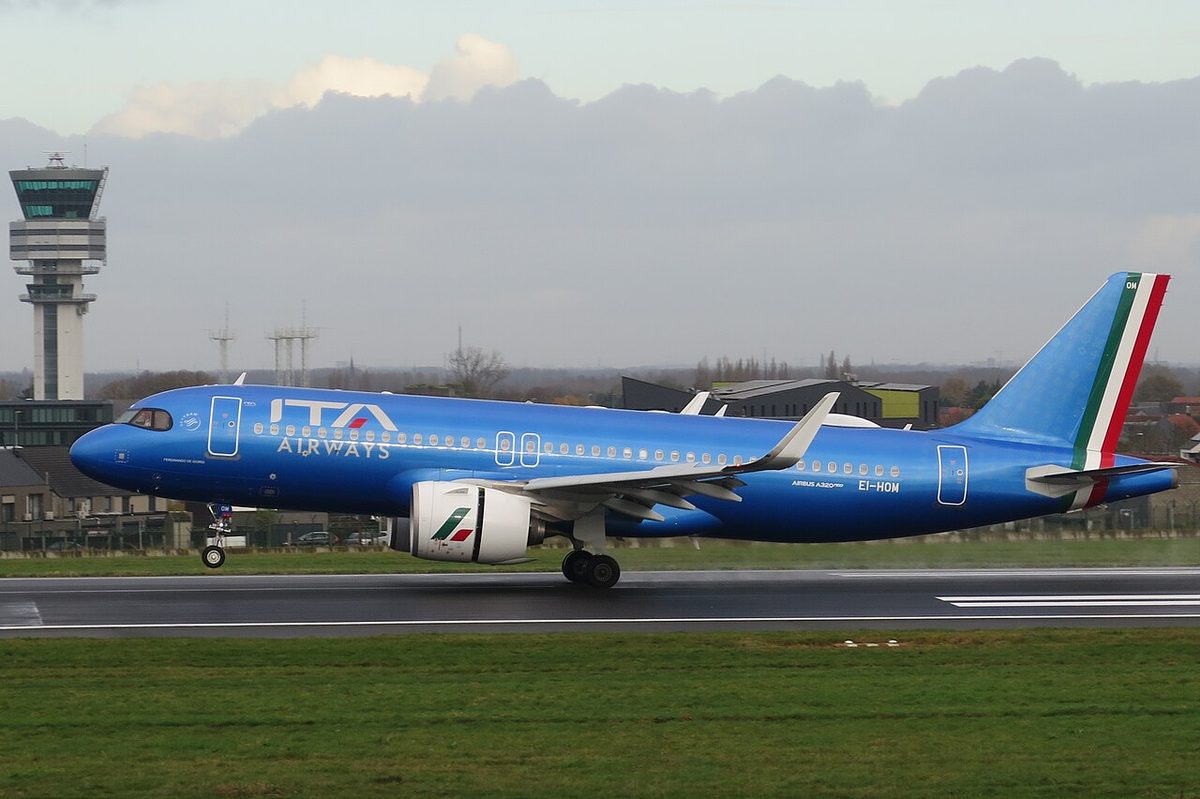
In a light aeroplane without reverse thrust, FAA and European training material both call for a firm touchdown at the correct speed to break through the water film, directional control with rudder, and aerodynamic braking. Holding the control column back adds drag and keeps the nosewheel light. Firm braking waits until the speed has decayed, and the brakes are then applied progressively, never hard enough to lock a wheel. Follow the aircraft manufacturer's procedure in every case.
Warning: do not expect the brakes to work again as soon as the speed falls below 9√P. A tyre that is already aquaplaning may not regain contact until about 7.7√P, and a locked tyre on a wet surface can go on to reverted-rubber aquaplaning. On a flooded runway, the decision that matters most is made before landing: whether the landing distance, with its margin, fits the runway at all.
Frequently asked questions
What is the formula for aquaplaning speed?
The rule of thumb from NASA research is that dynamic aquaplaning begins at about 9 times the square root of the tyre pressure in psi, giving a speed in knots, for a tyre that is already rotating. For a tyre that is not rotating, as at touchdown, the factor is about 7.7. A 200 psi tyre therefore aquaplanes from about 127 kt when rolling and 109 kt at touchdown. With pressure in bar, the rotating-tyre factor is about 34.
What are the three types of aquaplaning?
Dynamic aquaplaning happens at high speed on standing water, when water pressure under the tyre lifts it off the surface. Viscous aquaplaning happens on a thin film of water over a smooth surface, such as paint markings or rubber deposits, and can occur at lower speeds. Reverted-rubber aquaplaning follows a locked-wheel skid on a wet runway: heat turns the water to steam, and the tyre rides on the steam.
Does aircraft weight affect aquaplaning speed?
No. The onset speed of dynamic aquaplaning depends on the tyre inflation pressure, varying with its square root, not on the weight of the aeroplane. A heavy and a light aeroplane with the same tyre pressure start to aquaplane at the same speed. An under-inflated tyre aquaplanes at a lower speed, which is one reason tyre pressures are checked before flight.
Can aquaplaning continue below the aquaplaning speed?
Yes. Once dynamic aquaplaning has begun, the tyre can stay on the water film at speeds below the onset speed. The 7.7 times the square root of the tyre pressure figure is used as the speed below which a tyre that has stopped rotating can be expected to spin up and regain contact. Reverted-rubber aquaplaning can persist almost to a stop.
What should a pilot do if the aircraft starts to aquaplane on landing?
Keep straight with the rudder and rely on the forces that do not need tyre friction: aerodynamic drag, ground spoilers and, where fitted, reverse thrust used early. Avoid heavy braking that would lock the wheels, let the anti-skid work, and expect wheel braking to return only as speed falls. If the aeroplane drifts sideways with reverse selected, reduce reverse to idle and release the brakes until it is back on the centreline.
Test yourself on Aquaplaning
The v1prep banks cover this topic in Performance (032), with a worked explanation for every answer. EASA ATPL, PPL, IR and CPL, the FAA written tests and A320/B737 type ratings.
Start practising →Sources and further reading
- Horne and Dreher, Phenomena of Pneumatic Tire Hydroplaning, NASA TN D-2056
- FAA Pilot's Handbook of Aeronautical Knowledge (FAA-H-8083-25), Chapter 11, Aircraft Performance
- FAA Airplane Flying Handbook (FAA-H-8083-3C), Chapter 9, Approaches and Landings
- FAA AC 91-79B, Aircraft Landing Performance and Runway Excursion Mitigation
- 14 CFR 25.109, Accelerate-stop distance (wet, grooved and porous friction course runways)
- EASA, Global Reporting Format for runway surface condition (briefing material)
Library articles are written for study and exam preparation. They do not replace your aircraft's approved documentation, your operator's procedures or the regulations themselves.