Stall Accidents
An aerodynamic stall happens when the wing exceeds its critical angle of attack: the airflow separates from the upper surface, lift falls and drag rises steeply. The critical angle does not depend on airspeed, weight or attitude, which is why a wing can stall at any speed and in any attitude, and why every recovery begins by reducing the angle of attack.
In transport aircraft a stall is normally preceded by warnings such as the stick shaker, buffet and aural alerts, and in fly-by-wire aircraft by envelope protections that can be lost when sensors fail. Accident reports show recurring threads: a warning that surprised the crew, an instinctive pull on the controls when the nose had to come down, speed that decayed unnoticed with the autothrottle or autothrust not engaged, and ice that raised the stalling speed. Training now stresses recovery at the first indication of a stall, and the stall recovery template developed by the manufacturers with the FAA puts reducing the angle of attack ahead of adding thrust.
The investigations
Picture credits
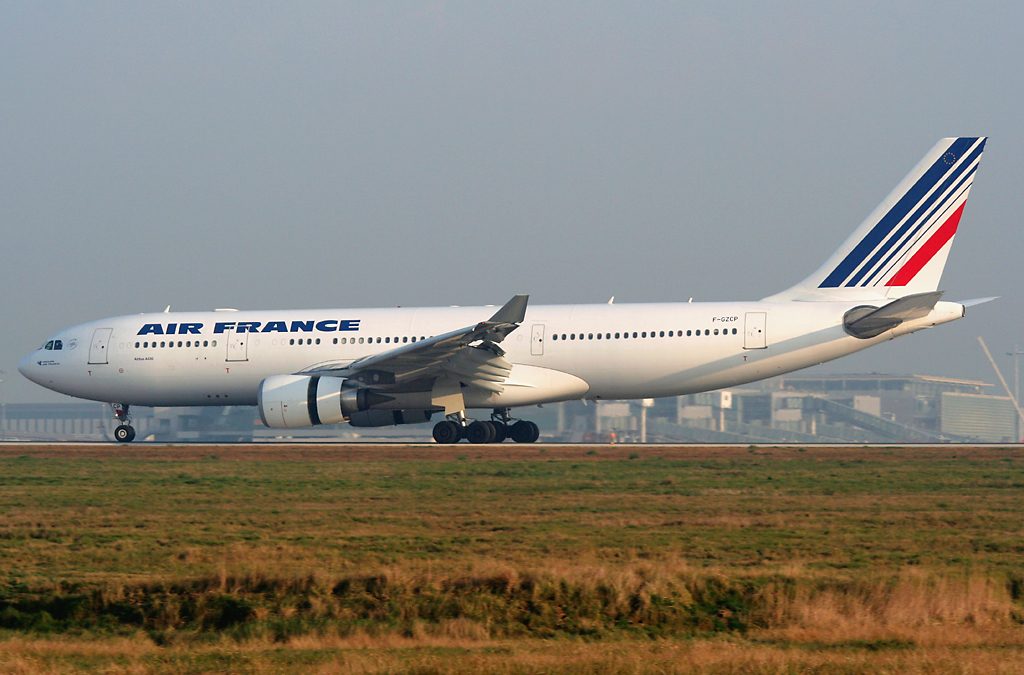
- Air France Flight 447: Pawel Kierzkowski · CC BY-SA 3.0 · Wikimedia Commons
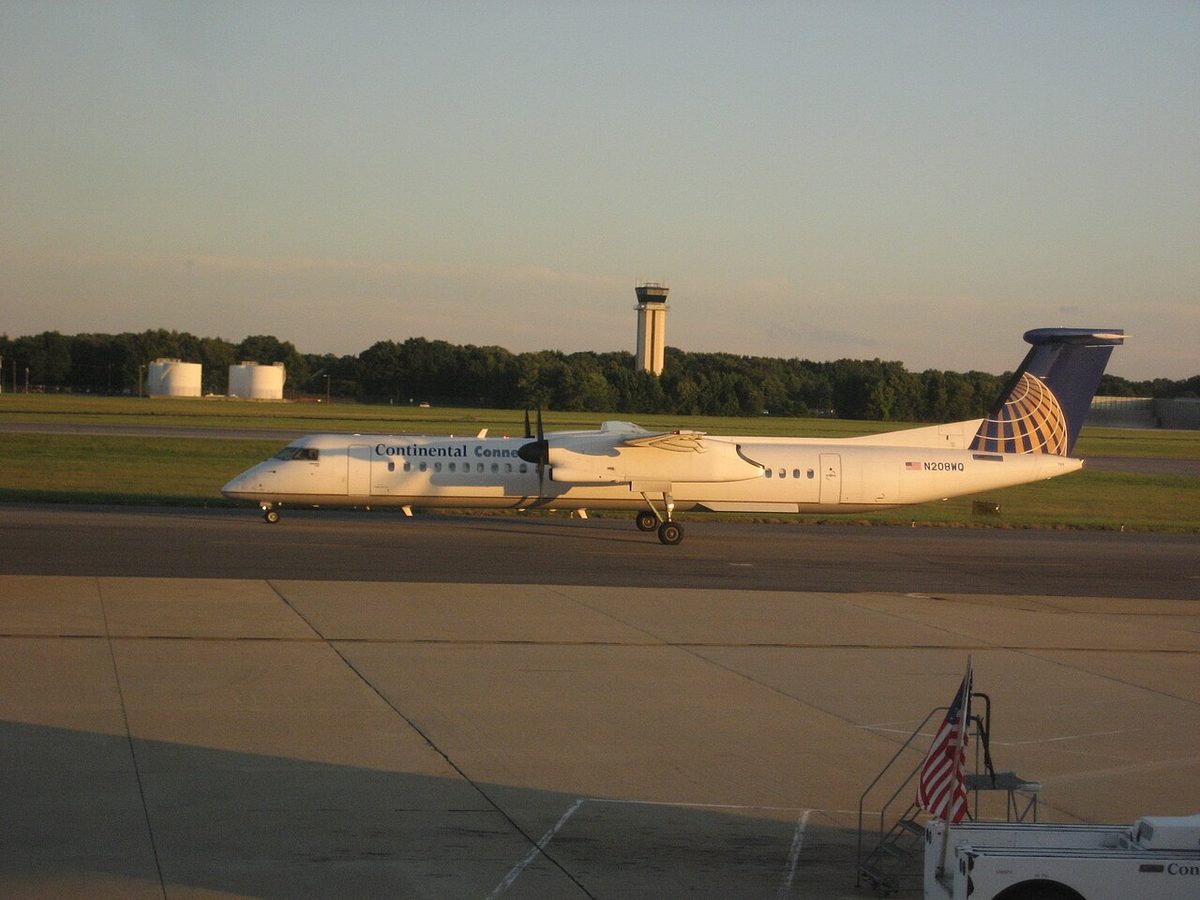
- Colgan Air Flight 3407: DearEdward from New York, NY, USA · CC BY 2.0 · Wikimedia Commons
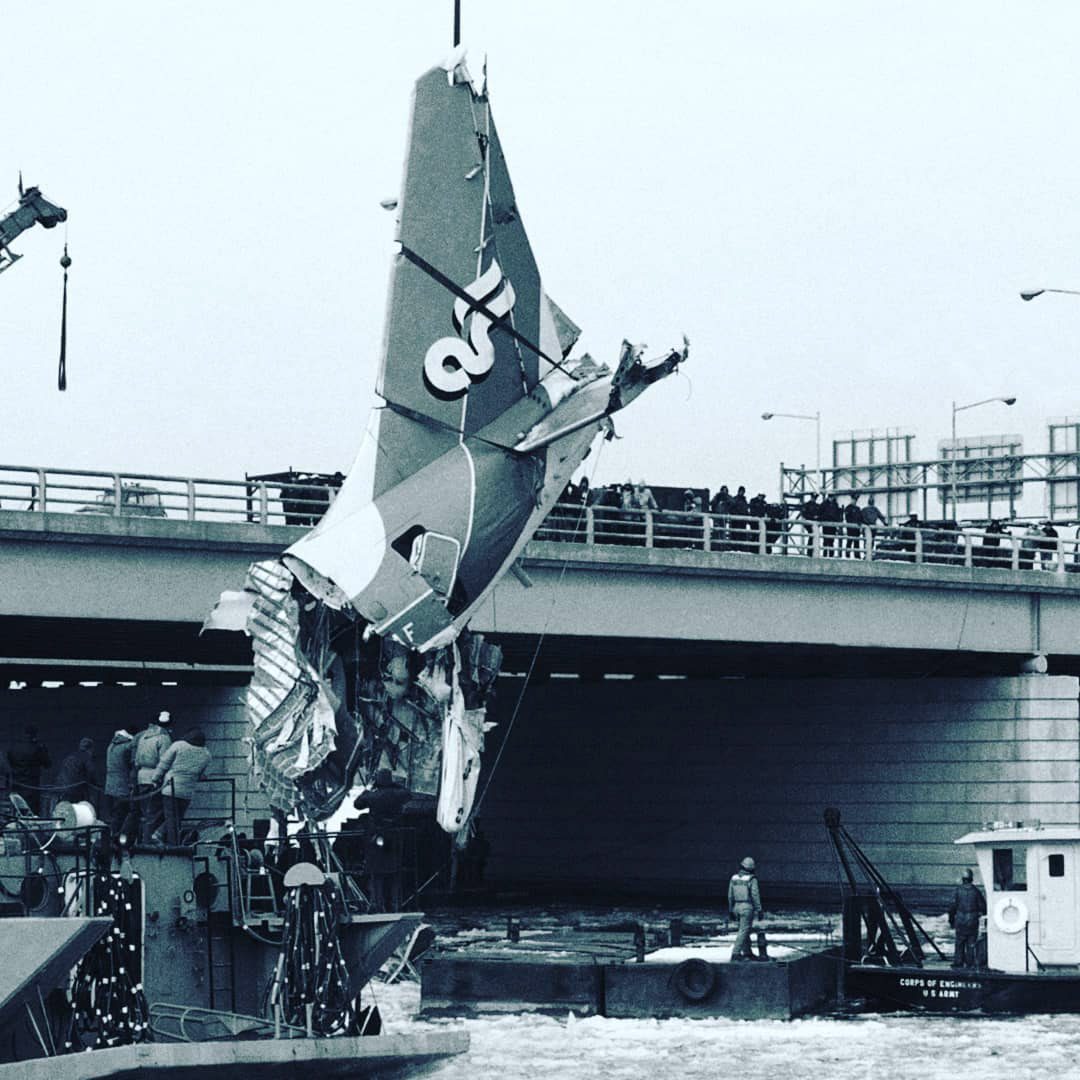
- Air Florida Flight 90: FAA · Public domain · Wikimedia Commons
Crash Investigations pages summarise official investigation reports for study and exam preparation. The investigating body's report is the authoritative account and prevails wherever it differs from this page. Under ICAO Annex 13, an investigation exists to prevent accidents, not to apportion blame or liability.