Crash Investigations: Aircraft Accident Reports Explained
When an airliner crashes, an independent State body such as the NTSB in the United States, the BEA in France or the AAIB in the United Kingdom investigates what happened and why, and publishes its findings in a final report. Under ICAO Annex 13 the sole objective of that investigation is to prevent future accidents, not to apportion blame or liability.
These pages explain the official reports for pilots and students. Each one sets out the flight, the accident sequence, what the investigators examined and found, the probable cause in their own words, the safety recommendations and what changed, and the lessons for crews today, with the theory linked in the v1prep Library and question banks to train it. Every fact comes from the report itself. Where an investigation is still open the page says so, and gives no cause as settled.
The investigations
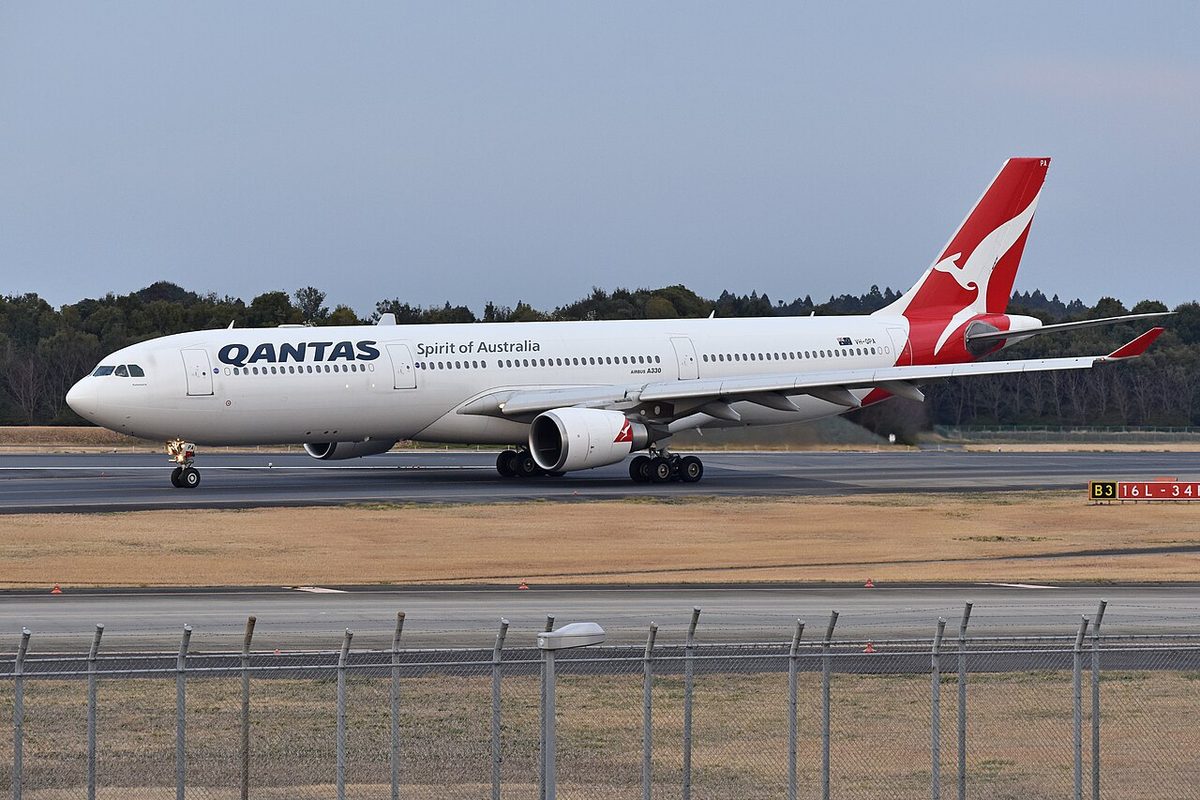
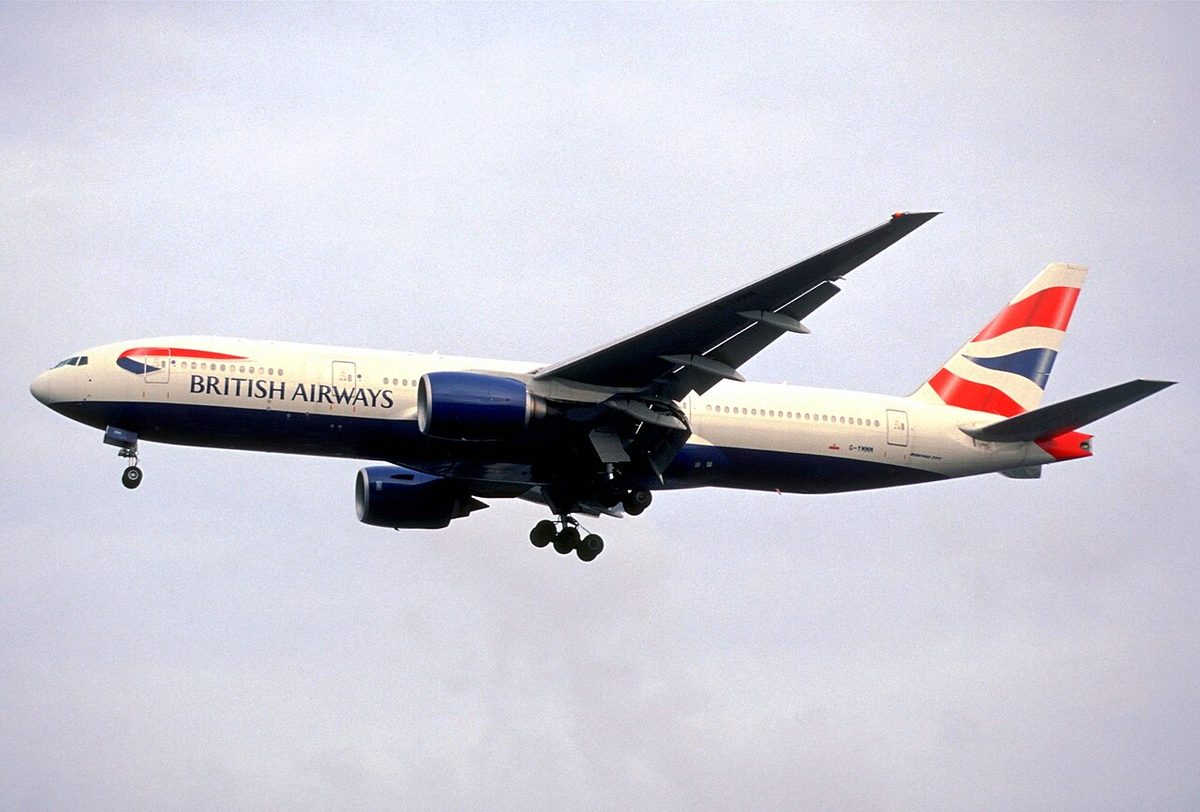

Every report at a glance
The investigations covered on v1prep, with the investigating body and the cause in brief. Open a report for the full account, the findings and the lessons for pilots.
| Flight | Date | Aircraft | Fatalities | Investigating body | Cause in brief |
|---|---|---|---|---|---|
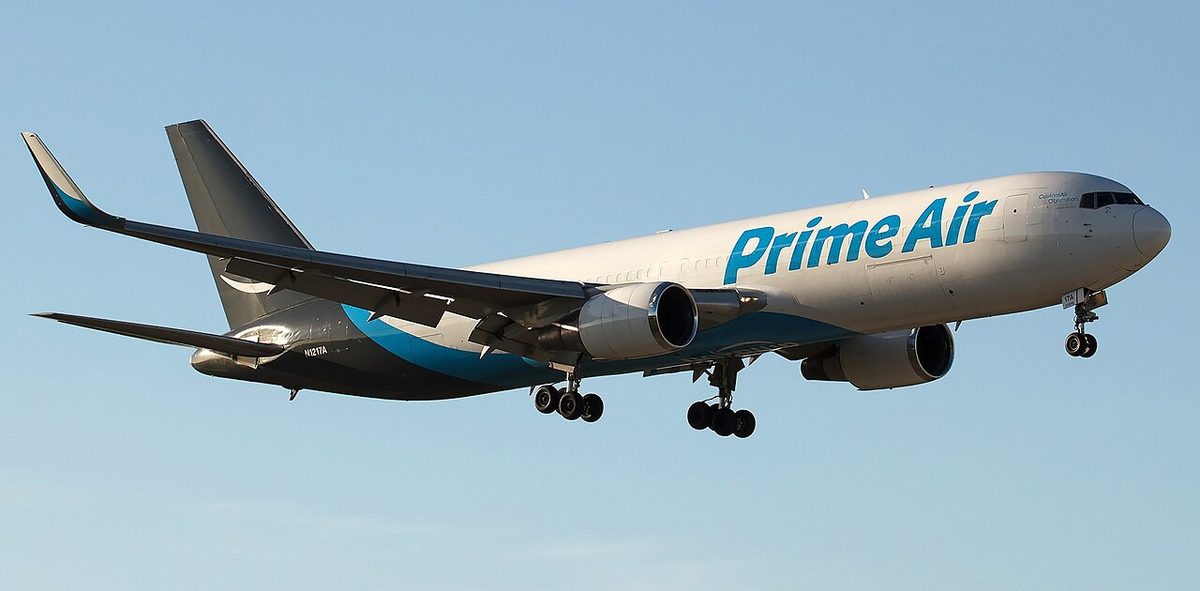
| Atlas Air Flight 3591 | Boeing 767-375BCF (converted freighter) | 3 | NTSB | The inappropriate response by the first officer as the pilot flying to an inadvertent activation of the go-around mode, which led to his spatial disorientation and… | |
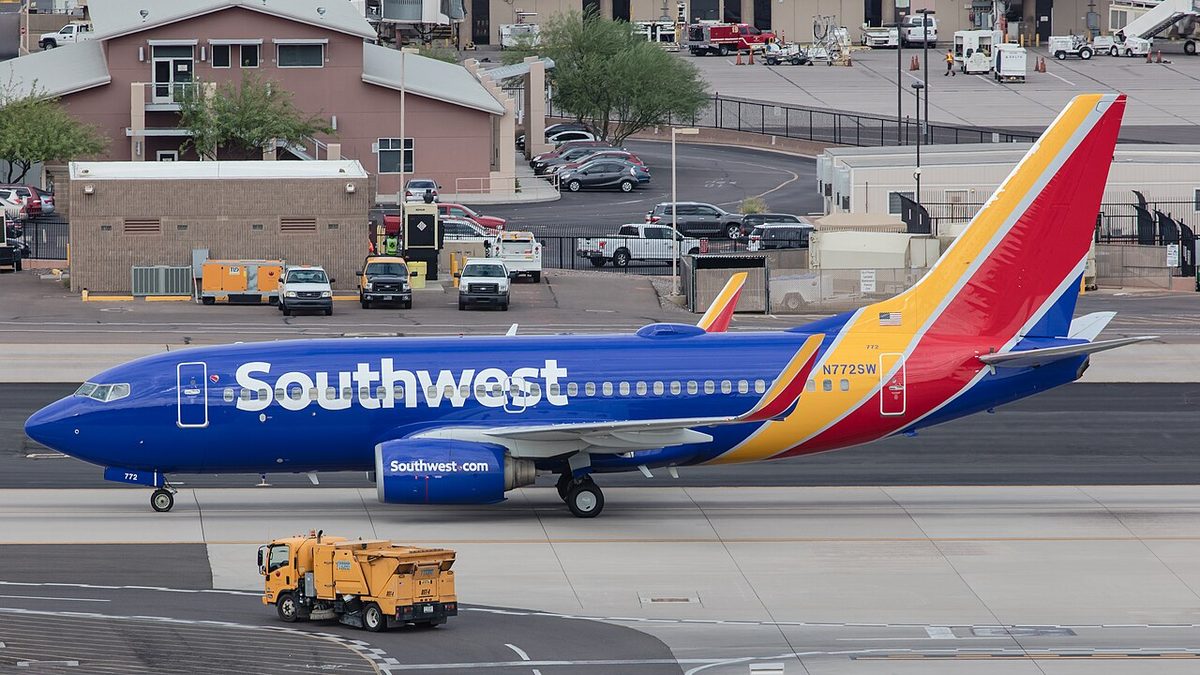
| Southwest Airlines Flight 1380 | Boeing 737-7H4 (737-700) | 1 | NTSB | A low-cycle fatigue crack in the dovetail of fan blade No. 13, which resulted in the fan blade separating in flight and impacting the engine fan case at a location that… | |
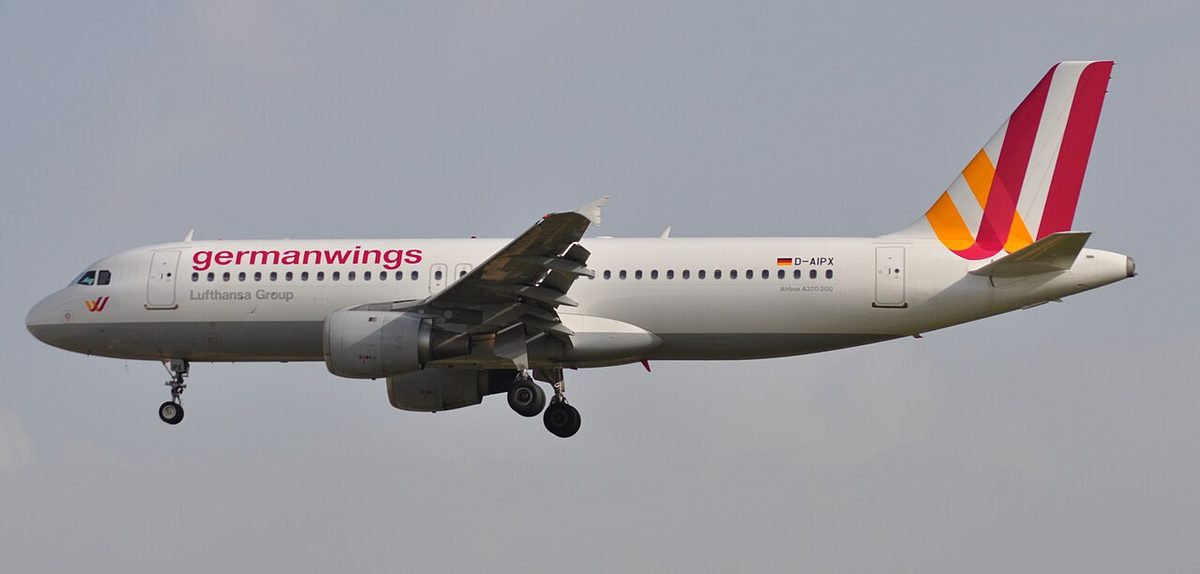
| Germanwings Flight 9525 | Airbus A320-211 | 150 | BEA | The BEA concluded that the collision with the ground was due to the deliberate and planned action of the co-pilot who decided to commit suicide while alone in the… | |
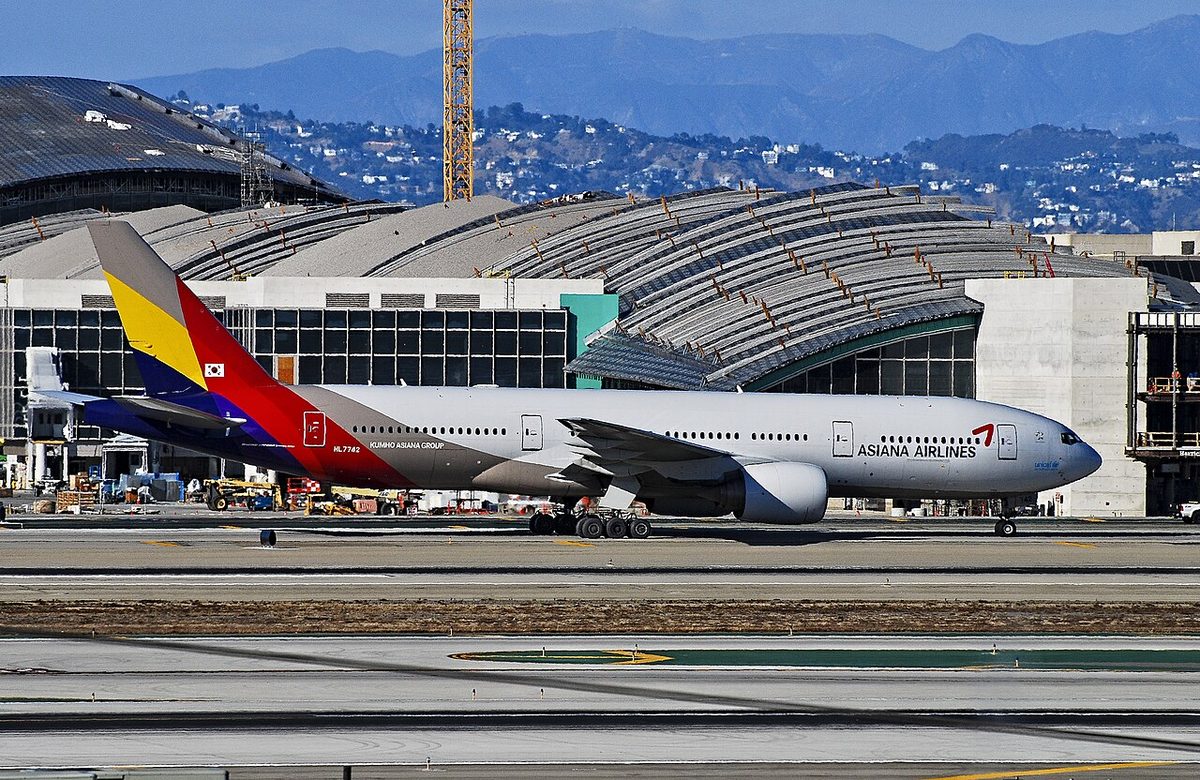
| Asiana Airlines Flight 214 | Boeing 777-200ER | 3 | NTSB | The flight crew's mismanagement of the aeroplane's descent during the visual approach, the pilot flying's unintended deactivation of automatic airspeed control, the… | |
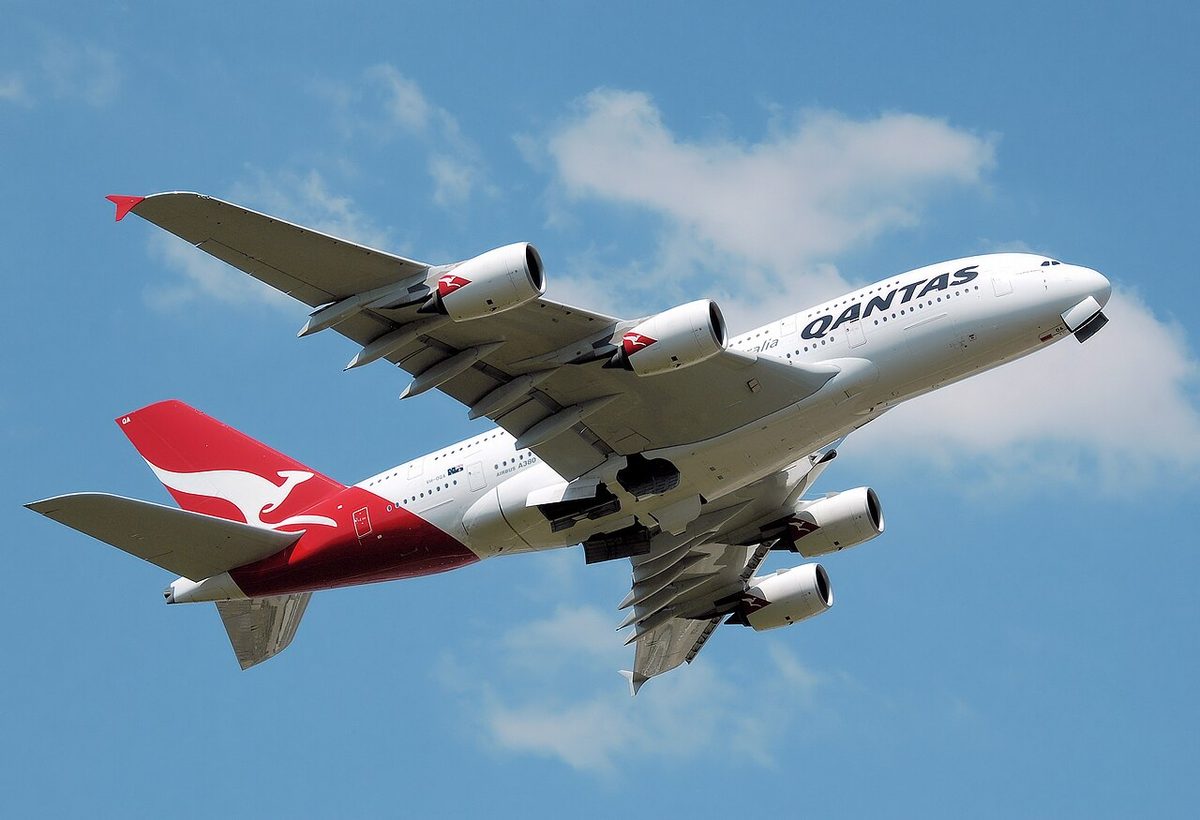
| Qantas Flight 32 | Airbus A380-842 | 0 | ATSB | The ATSB found that the uncontained failure of the intermediate pressure turbine disc was the result of an internal oil fire within the Rolls-Royce Trent 900 engine that… | |
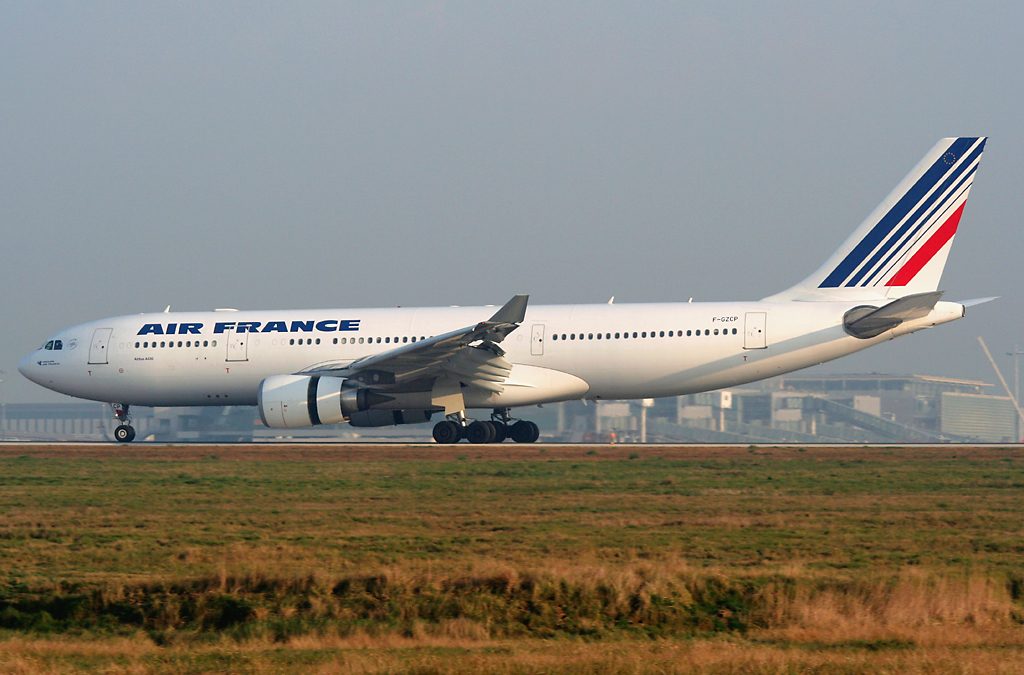
| Air France Flight 447 | Airbus A330-203 | 228 | BEA | The BEA concluded that the accident resulted from a succession of events: a temporary inconsistency between the measured airspeeds, likely following the obstruction of… | |
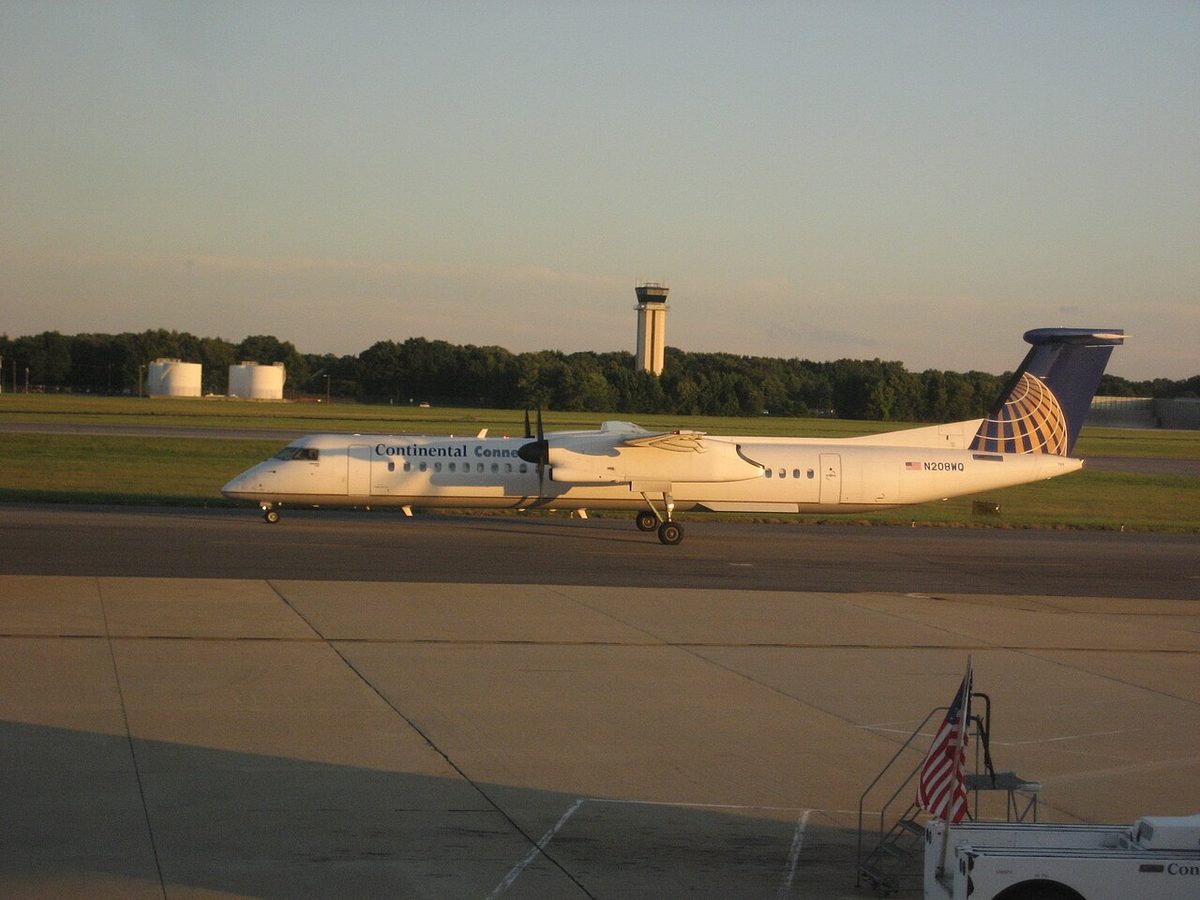
| Colgan Air Flight 3407 | Bombardier DHC-8-402 (Q400) | 50 | NTSB | The captain's inappropriate response to the activation of the stick shaker, which led to an aerodynamic stall from which the airplane did not recover. | |
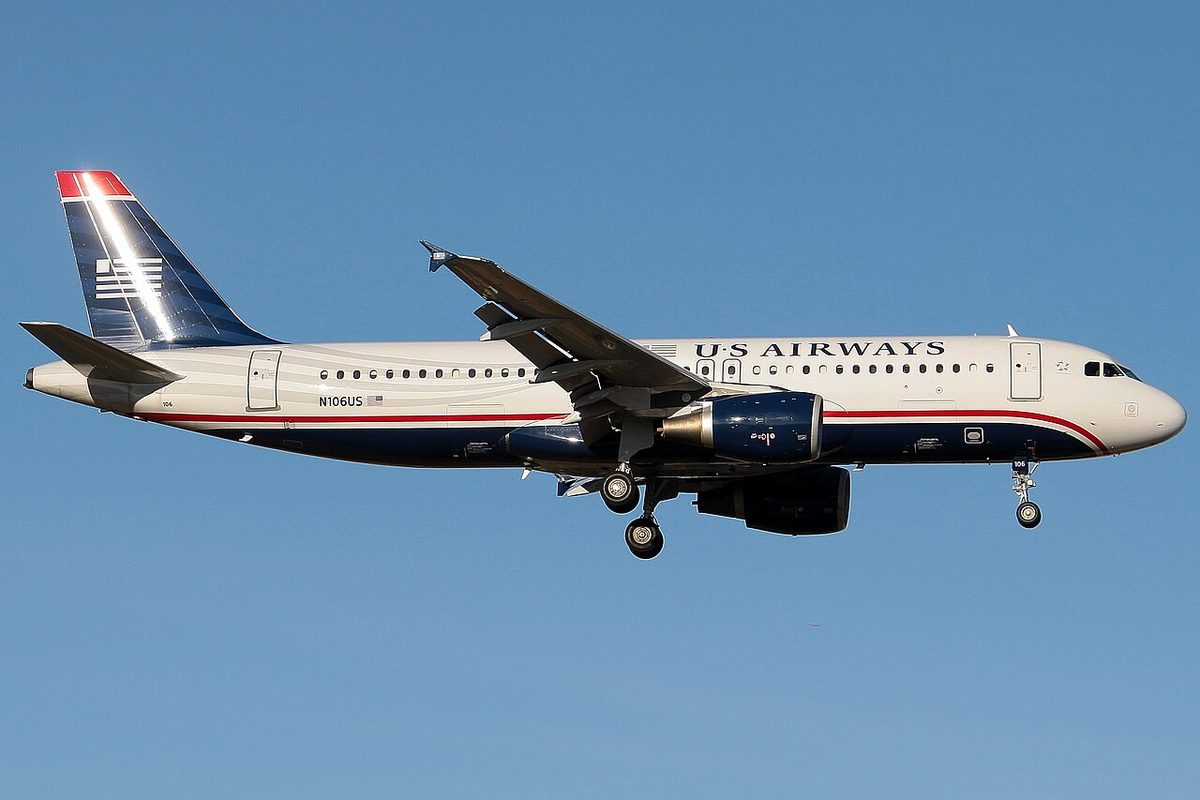
| US Airways Flight 1549 | Airbus A320-214 | 0 | NTSB | The ingestion of large birds into each engine, which resulted in an almost total loss of thrust in both engines and the subsequent ditching on the Hudson River. | |
| Qantas Flight 72 | Airbus A330-303 | 0 | ATSB | The ATSB does not state a probable cause. | |
| British Airways Flight 38 | Boeing 777-236ER | 0 | AAIB | The AAIB found that the reduction in thrust was due to restricted fuel flow to both engines. | |
| Comair Flight 5191 | Bombardier CL-600-2B19 (CRJ-100) | 49 | NTSB | The flight crewmembers' failure to use available cues and aids to identify the airplane's location on the airport surface during taxi and their failure to cross-check… | |
| Helios Airways Flight 522 | Boeing 737-31S (737-300) | 121 | AAIASB | The AAIASB found three direct causes: the non-recognition that the cabin pressurisation mode selector was in the MAN position during the preflight procedure and the… | |
| Überlingen Mid-Air Collision | Tupolev Tu-154M and Boeing 757-200 freighter (757-23APF) | 71 | BFU | The BFU identified two immediate causes: The imminent separation infringement was not noticed by ATC in time, and the TU154M crew followed the ATC instruction to descend… | |
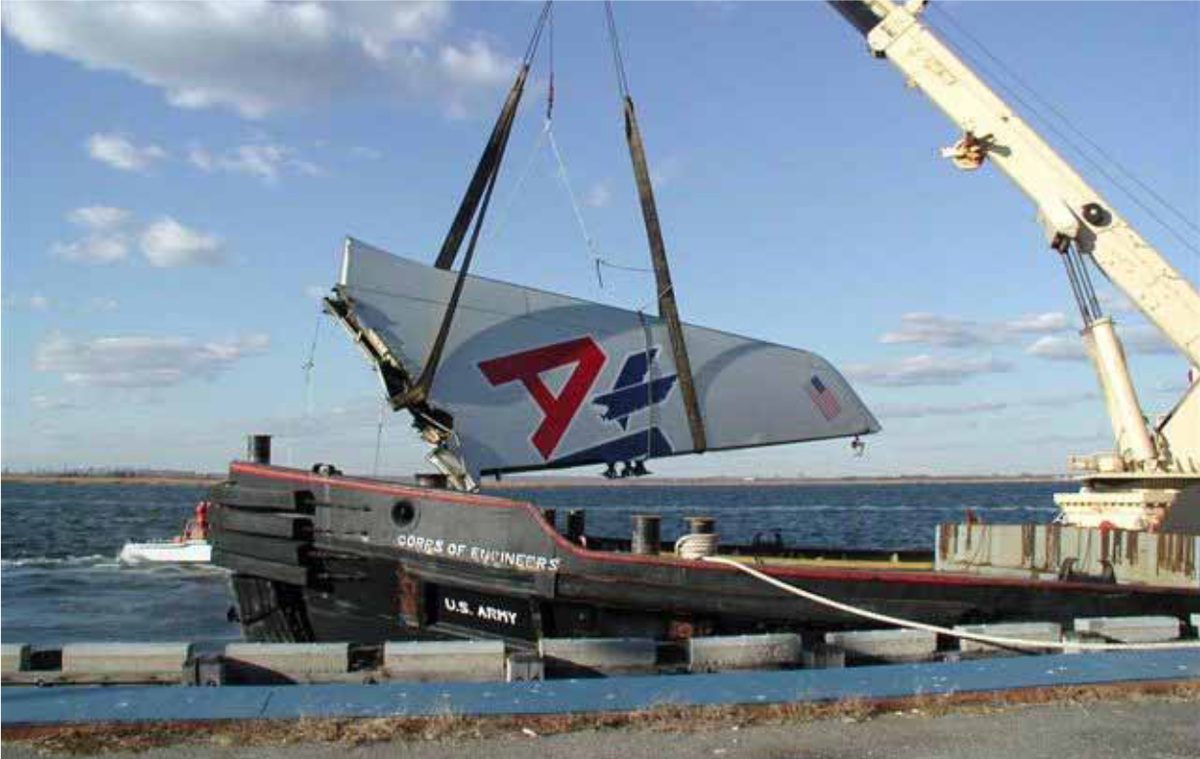
| American Airlines Flight 587 | Airbus A300-605R (A300B4-605R) | 265 | NTSB | The in-flight separation of the vertical stabilizer as a result of the loads beyond ultimate design that were created by the first officer's unnecessary and excessive… | |
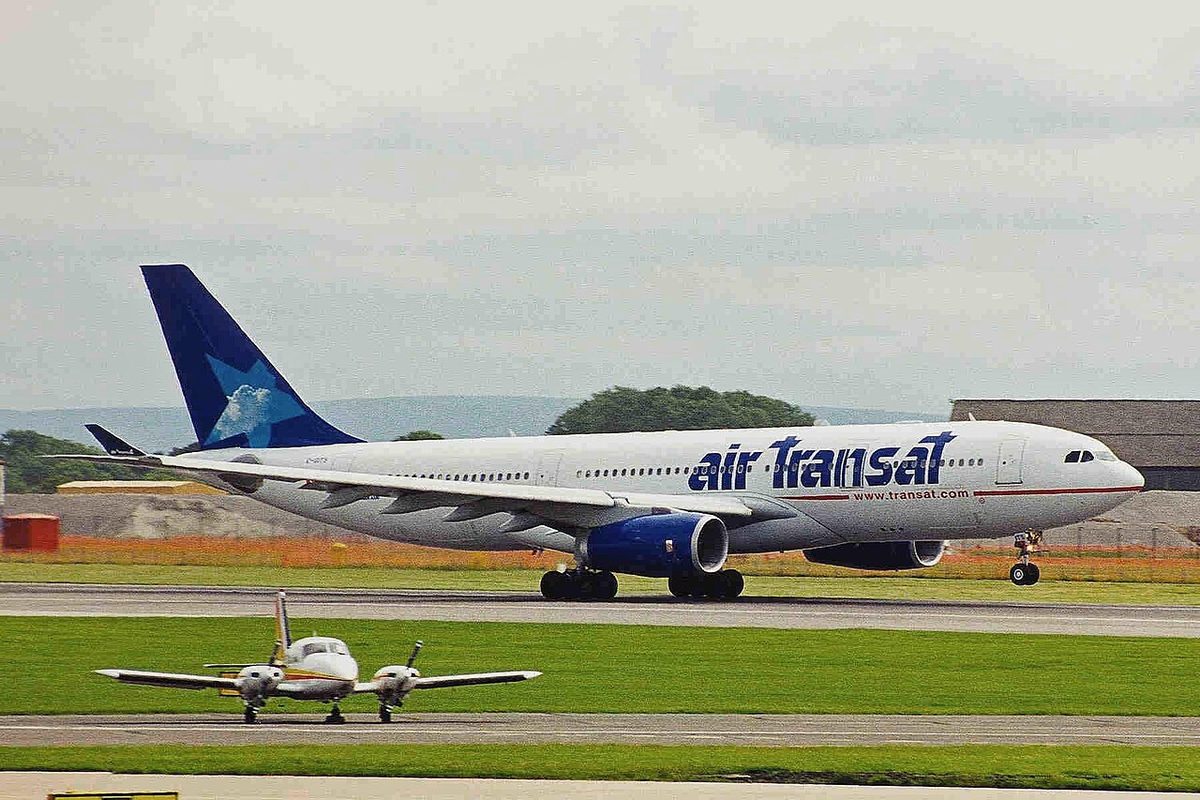
| Air Transat Flight 236 | Airbus A330-243 | 0 | GPIAA | The GPIAA found that the mismatched installation of a post-modification fuel tube and a pre-modification hydraulic tube on the right engine led to the fuel tube's… | |
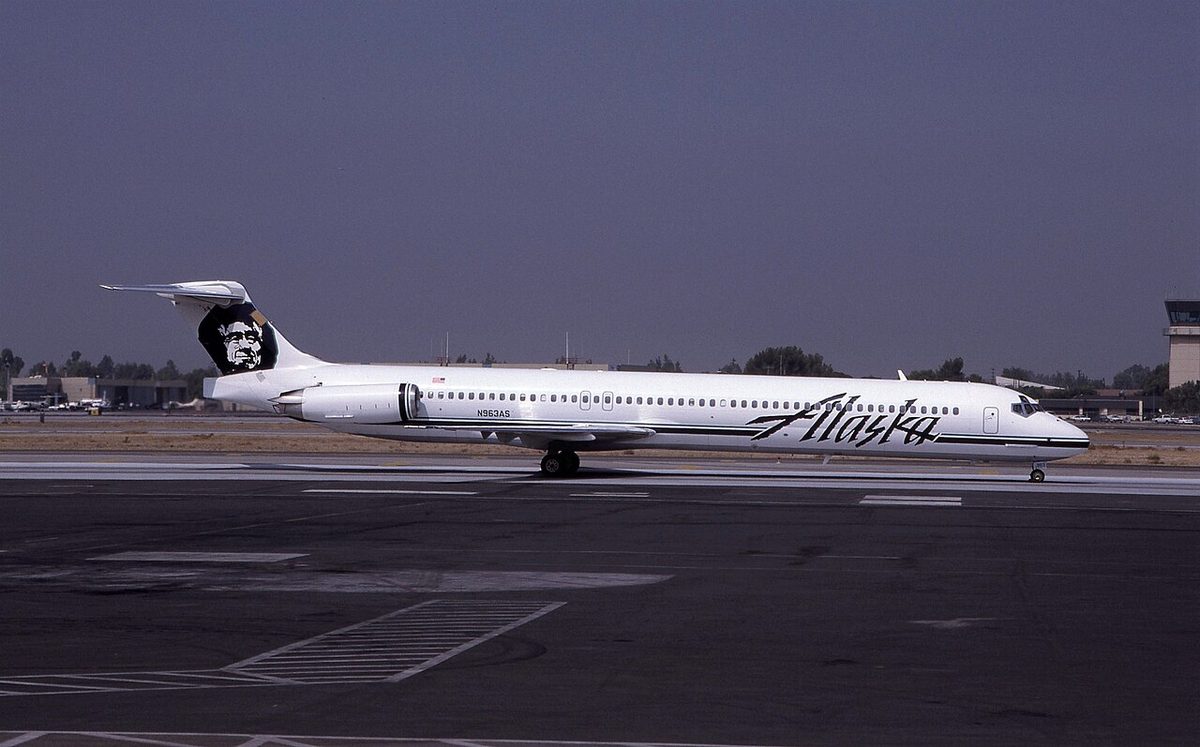
| Alaska Airlines Flight 261 | McDonnell Douglas MD-83 | 88 | NTSB | A loss of airplane pitch control resulting from the in-flight failure of the horizontal stabilizer trim system jackscrew assembly's acme nut threads, caused by excessive… | |
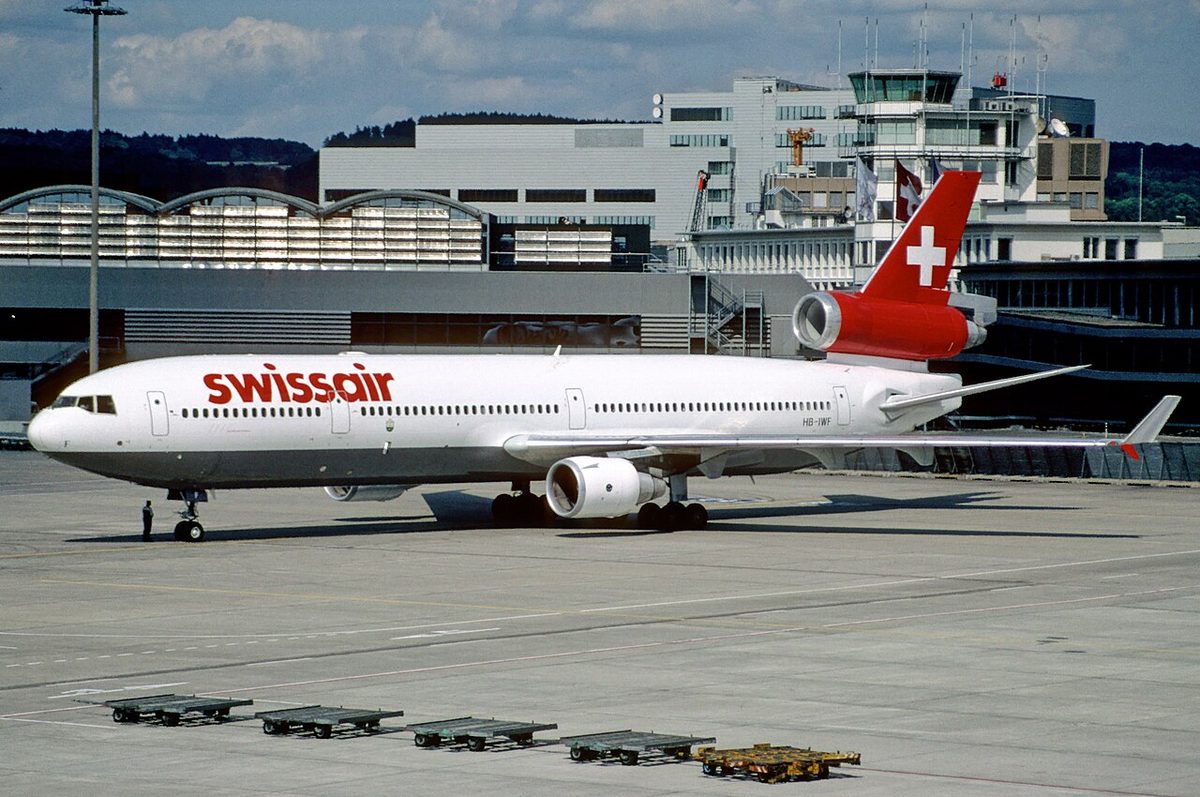
| Swissair Flight 111 | McDonnell Douglas MD-11 | 229 | TSB | The TSB does not state a single probable cause. | |
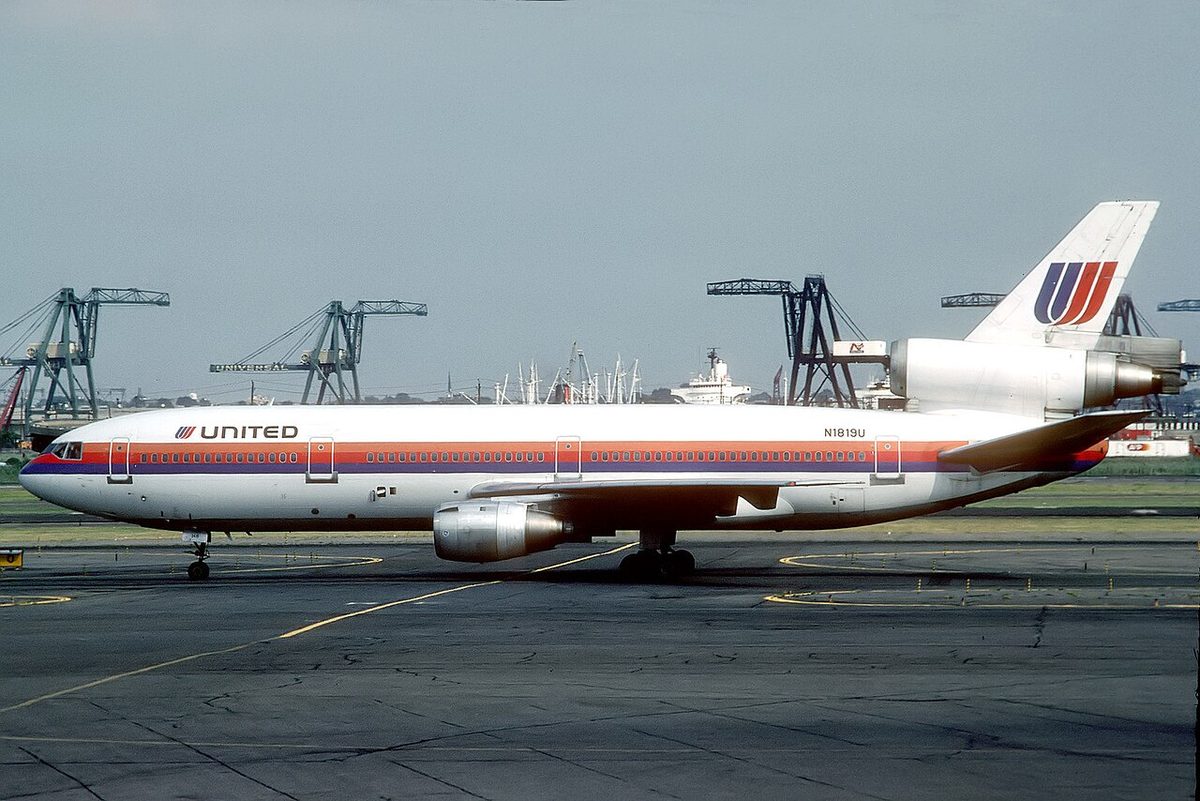
| United Airlines Flight 232 | McDonnell Douglas DC-10-10 | 111 | NTSB | The inadequate consideration given to human factors limitations in the inspection and quality control procedures used by United Airlines' engine overhaul facility, which… | |
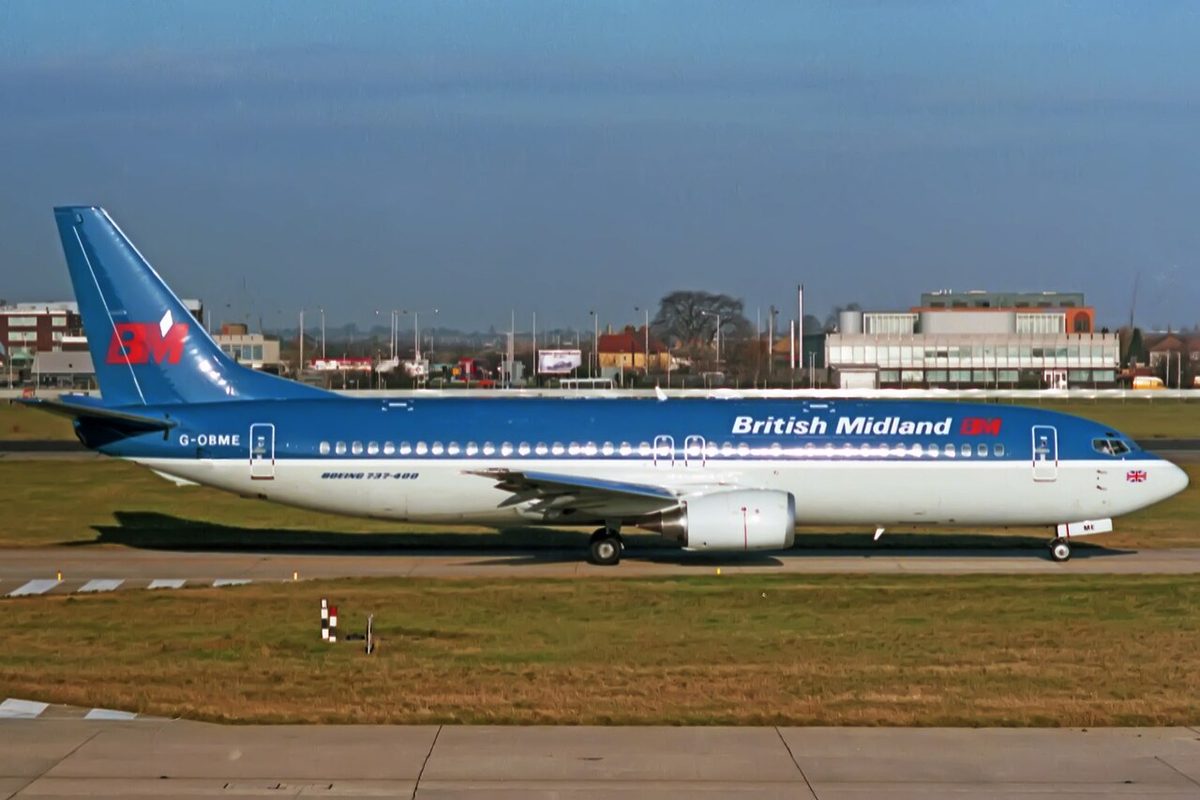
| British Midland Flight 92 (Kegworth) | Boeing 737-400 | 47 | AAIB | That the operating crew shut down the No 2 engine after a fan blade had fractured in the No 1 engine. | |
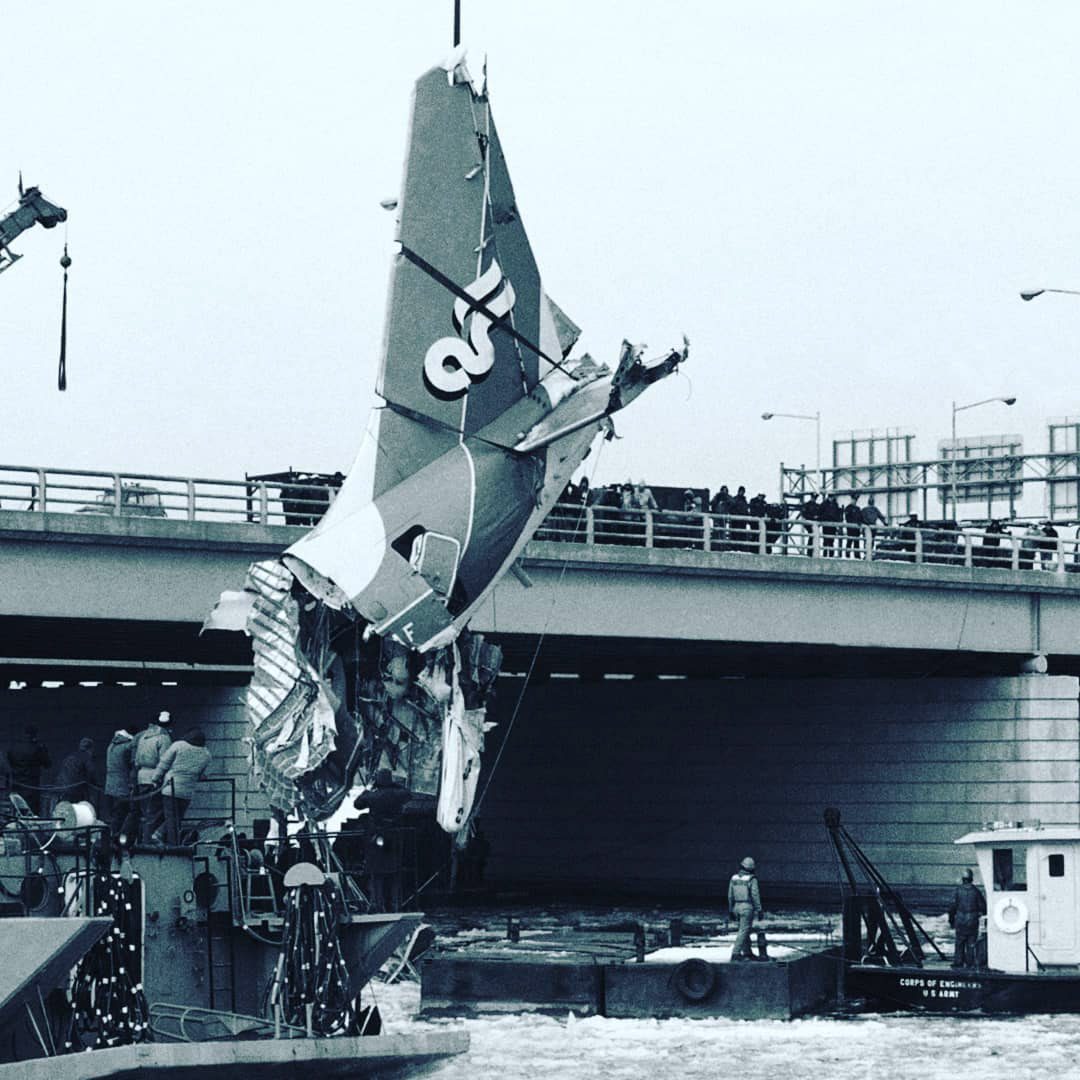
| Air Florida Flight 90 | Boeing 737-222 | 78 | NTSB | The flightcrew's failure to use engine anti-ice during ground operation and takeoff, their decision to take off with snow/ice on the airfoil surfaces of the aircraft… |
Picture credits
- Atlas Air Flight 3591: Orlando Suarez · CC BY-SA 4.0 · Wikimedia Commons
- Southwest Airlines Flight 1380: Werner Lehmann · CC BY-SA 2.0 · Wikimedia Commons
- Germanwings Flight 9525: SEBASTIEN MORTIER · CC BY-SA 2.0 · Wikimedia Commons
- Asiana Airlines Flight 214: Tomás Del Coro from Las Vegas, Nevada, USA · CC BY-SA 2.0 · Wikimedia Commons
- Qantas Flight 32: Adrian Pingstone ( talk ) · Public domain · Wikimedia Commons
- Air France Flight 447: Pawel Kierzkowski · CC BY-SA 3.0 · Wikimedia Commons
- Colgan Air Flight 3407: DearEdward from New York, NY, USA · CC BY 2.0 · Wikimedia Commons
- US Airways Flight 1549: Edmund Seeger · CC BY-SA 2.0 · Wikimedia Commons
- Qantas Flight 72: Hawkeye UK · CC BY-SA 2.0 · Wikimedia Commons
- British Airways Flight 38: Aero Icarus from Zürich, Switzerland · CC BY-SA 2.0 · Wikimedia Commons
- Comair Flight 5191: Checkerberry · CC0 · Wikimedia Commons
- Helios Airways Flight 522: Mila Daniel · CC BY-SA 4.0 · Wikimedia Commons
- Überlingen Mid-Air Collision: Koen Gladines · CC BY-SA 4.0 · Wikimedia Commons
- American Airlines Flight 587: NTSB · Public domain · Wikimedia Commons
- Air Transat Flight 236: Ken Fielding · CC BY-SA 3.0 · Wikimedia Commons
- Alaska Airlines Flight 261: Frank Jäger · CC BY-SA 2.0 · Wikimedia Commons
- Swissair Flight 111: Aero Icarus from Zürich, Switzerland · CC BY-SA 2.0 · Wikimedia Commons
- United Airlines Flight 232: Paul Seymour · CC BY-SA 4.0 · Wikimedia Commons
- British Midland Flight 92 (Kegworth): Leslie Snelleman · CC BY-SA 4.0 · Wikimedia Commons
- Air Florida Flight 90: FAA · Public domain · Wikimedia Commons
Crash Investigations pages summarise official investigation reports for study and exam preparation. The investigating body's report is the authoritative account and prevails wherever it differs from this page. Under ICAO Annex 13, an investigation exists to prevent accidents, not to apportion blame or liability.