Automation-Related Accidents
Automation has made airline flying safer and more efficient: flight management systems, autopilots and autothrust now fly most of every flight. Accident reports show the other side.
Crews lost track of the active mode, did not notice when the automation disconnected or changed mode by itself, or relied on it for so long that their manual flying and monitoring skills had faded. A report on flight path management published by the FAA in 2013 found that pilots sometimes depended too much on automated systems and could be reluctant to intervene. The lessons run through the investigations below: know which mode is engaged and what it will do next, call out mode changes, check the flight mode annunciator after every selection, and take over manually, or at a lower level of automation, as soon as the aircraft does not do what you expect. Many operators now train these points explicitly, together with regular manual flying practice to keep handling skills current.
The investigations
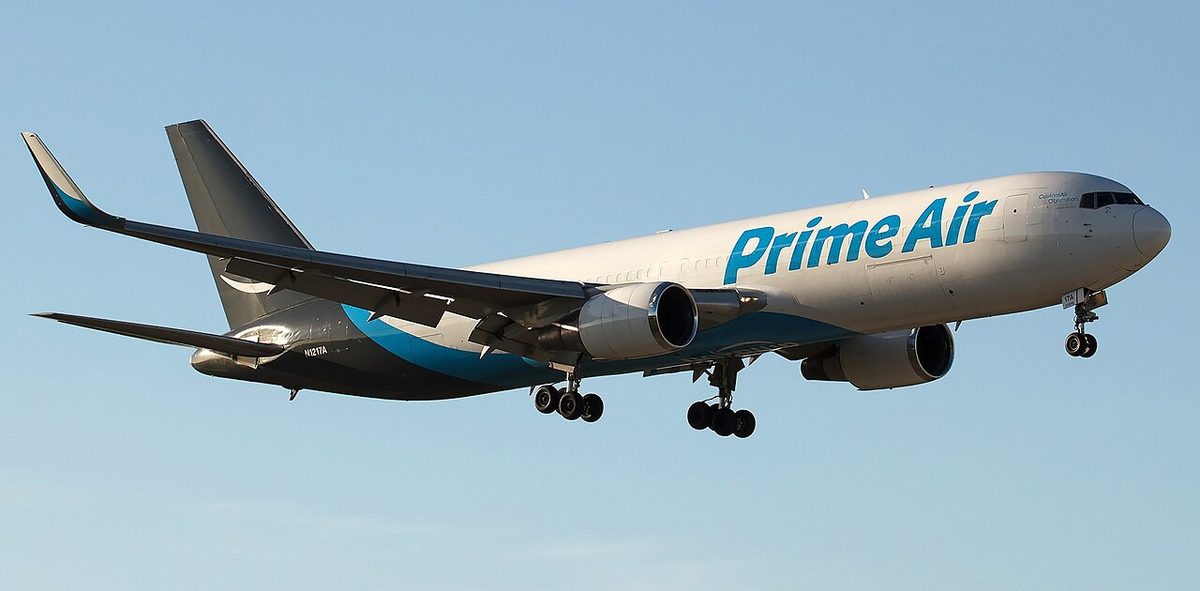
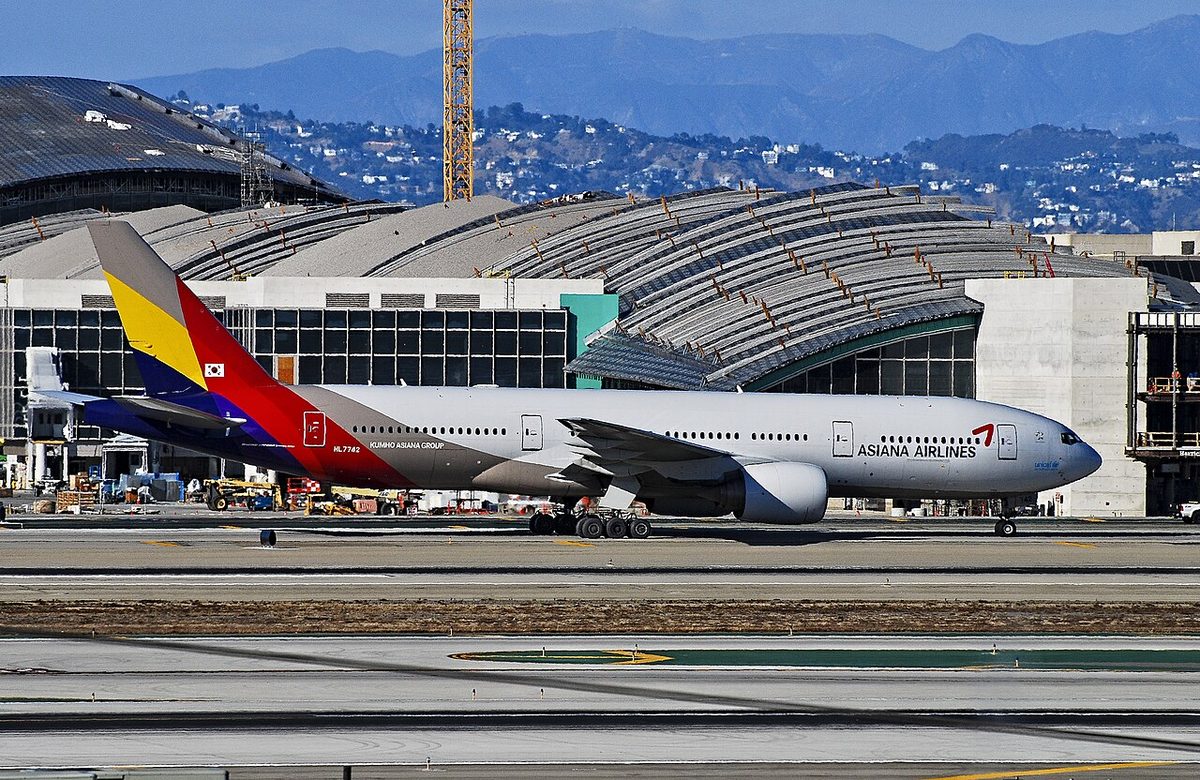
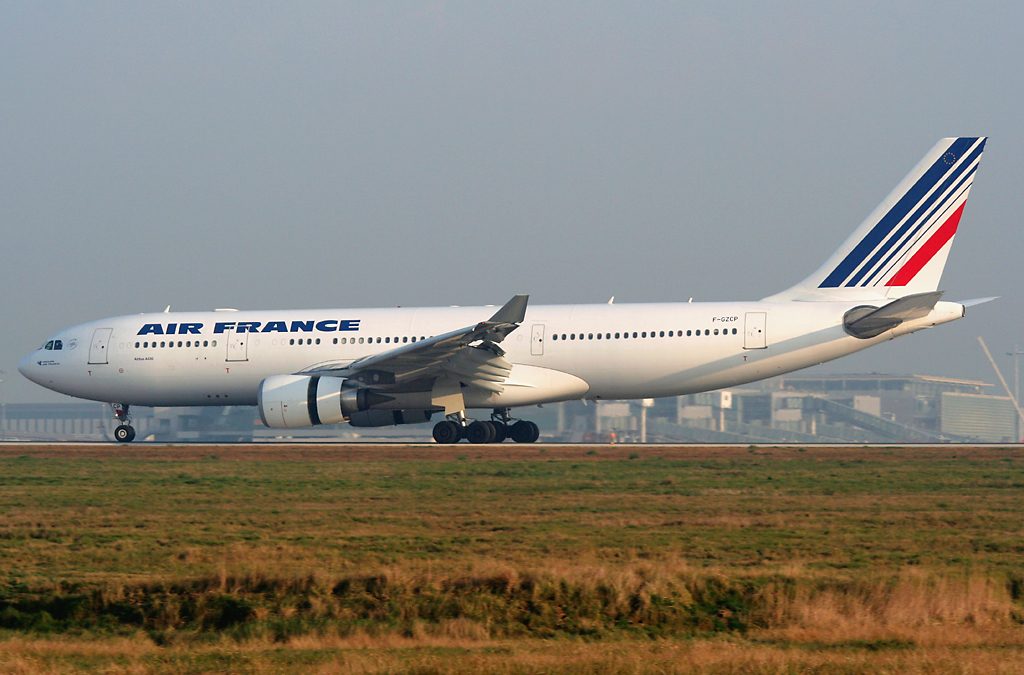
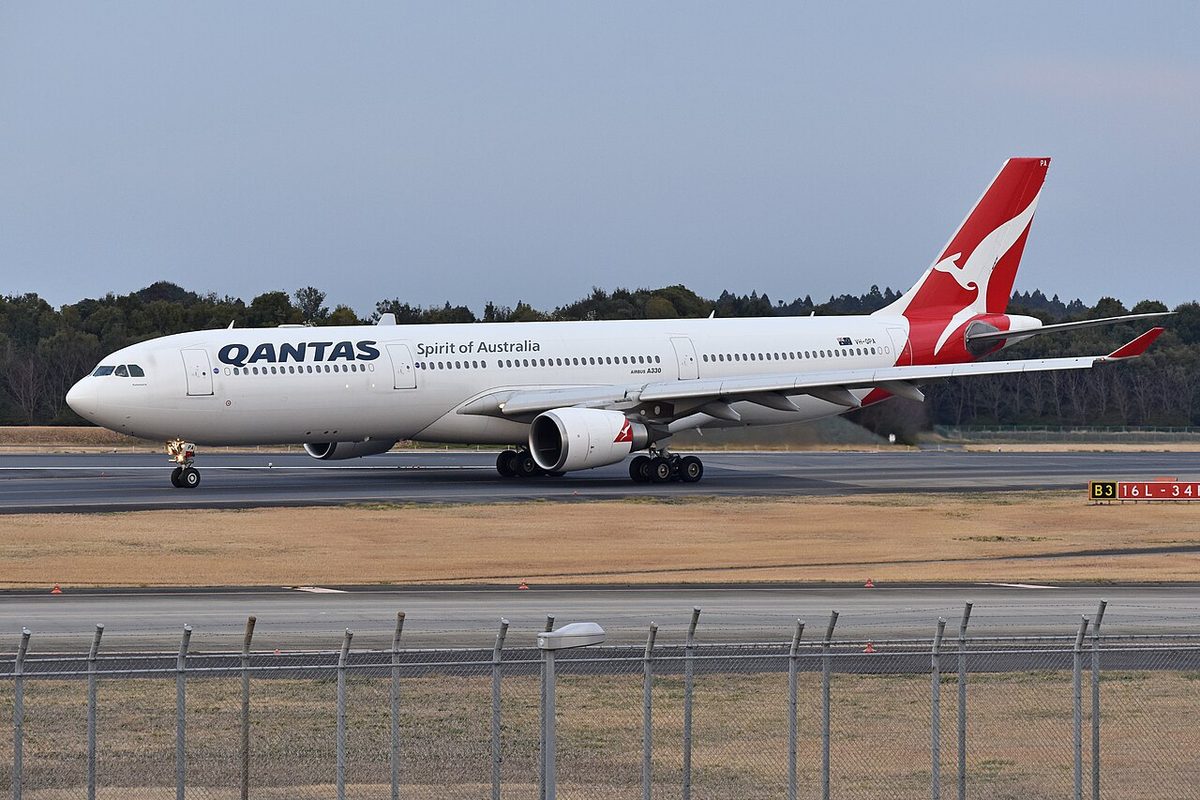
Picture credits
- Atlas Air Flight 3591: Orlando Suarez · CC BY-SA 4.0 · Wikimedia Commons
- Asiana Airlines Flight 214: Tomás Del Coro from Las Vegas, Nevada, USA · CC BY-SA 2.0 · Wikimedia Commons
- Air France Flight 447: Pawel Kierzkowski · CC BY-SA 3.0 · Wikimedia Commons
- Qantas Flight 72: Hawkeye UK · CC BY-SA 2.0 · Wikimedia Commons
Crash Investigations pages summarise official investigation reports for study and exam preparation. The investigating body's report is the authoritative account and prevails wherever it differs from this page. Under ICAO Annex 13, an investigation exists to prevent accidents, not to apportion blame or liability.