Maintenance-Related Accidents
Maintenance errors contribute to a significant share of accidents, though they rarely act alone. The typical pattern is an error made days, months or even years before the accident flight: a wrong part fitted, a panel or cap left unsecured, an inspection skipped or signed off without being done, a procedure changed to save time.
The error then waits, hidden, until the conditions for an accident come together. Investigations look at the organisation as much as at the individual: shift handovers, time pressure, instructions that were unclear or impractical, poor lighting, and fatigue among technicians working through the night. The human factors programmes now required of maintenance organisations, the human factors training of EASA Part-145 and Part-66, and the list of common error causes known as the Dirty Dozen all grew from accidents like these. For flight crews, the lesson is that a careful walk-round and an attentive reading of the technical log are the last defences against an error made by someone else, somewhere else. The reports below trace how each error reached the flight.
The investigations
Picture credits
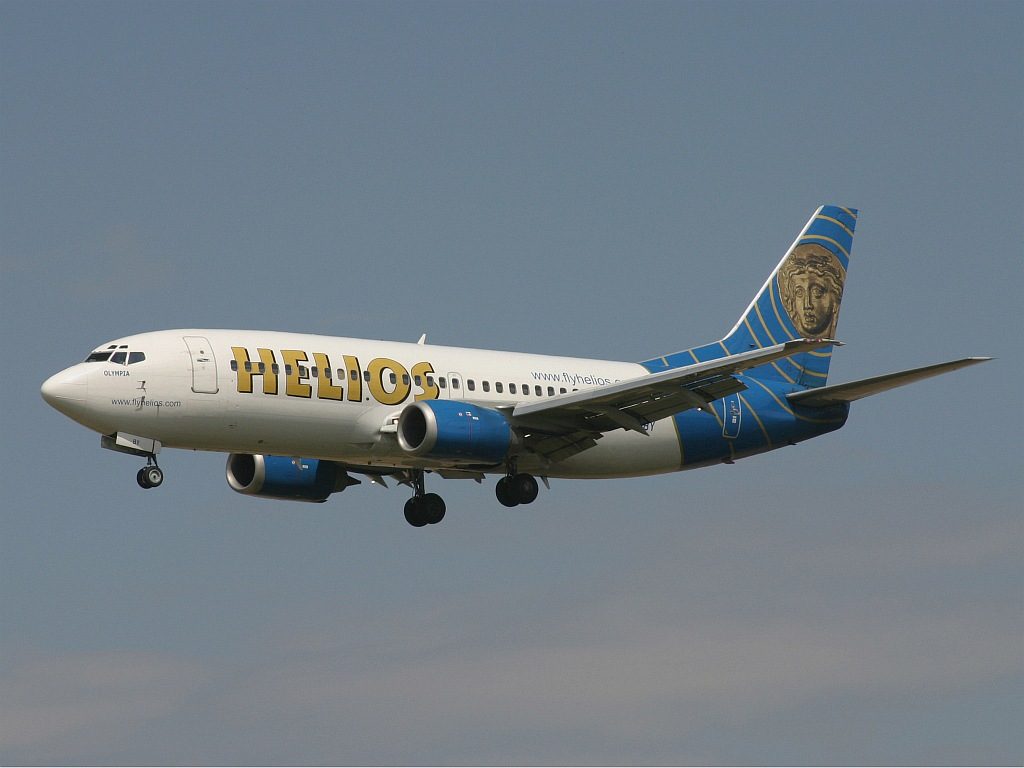
- Helios Airways Flight 522: Mila Daniel · CC BY-SA 4.0 · Wikimedia Commons
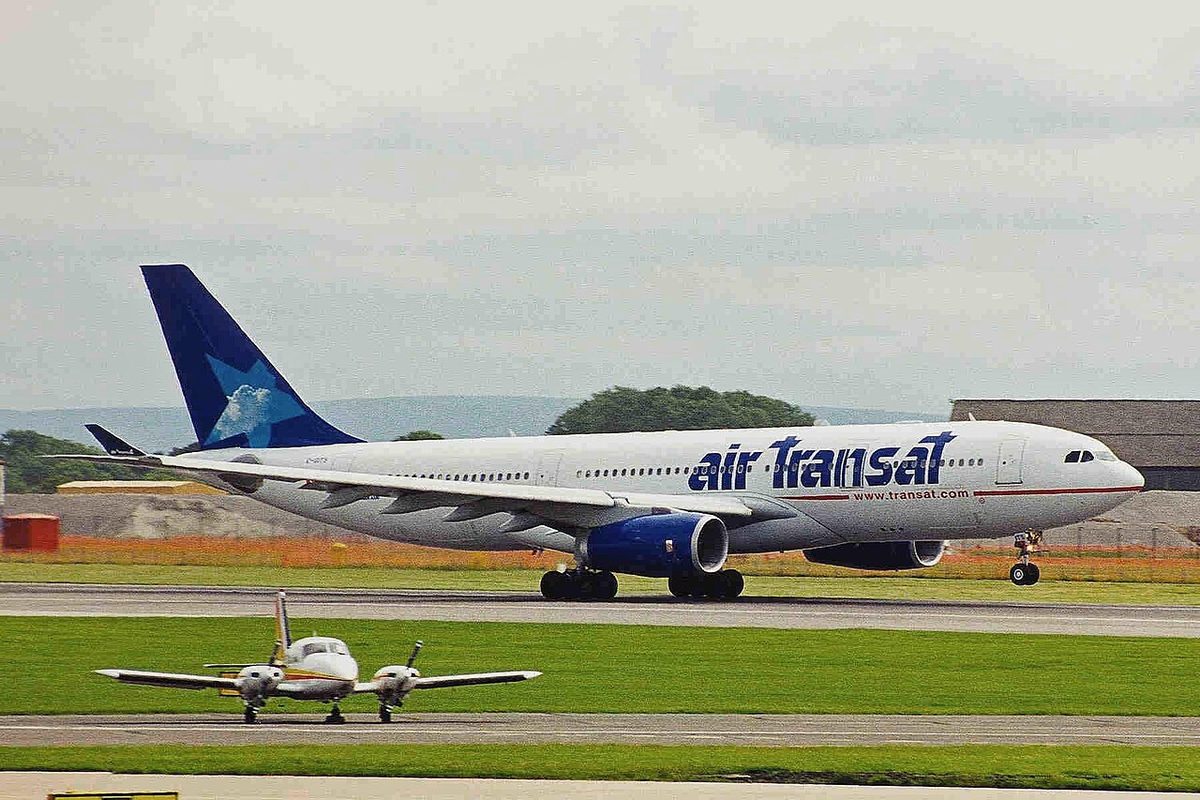
- Air Transat Flight 236: Ken Fielding · CC BY-SA 3.0 · Wikimedia Commons
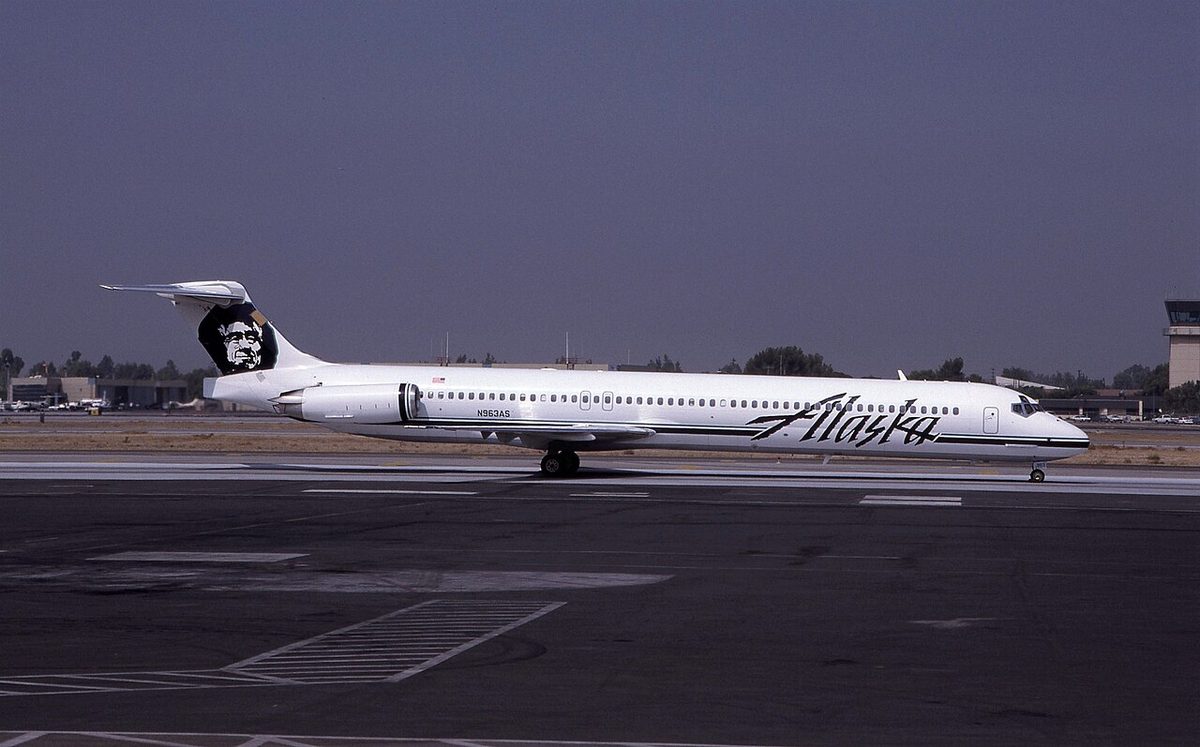
- Alaska Airlines Flight 261: Frank Jäger · CC BY-SA 2.0 · Wikimedia Commons
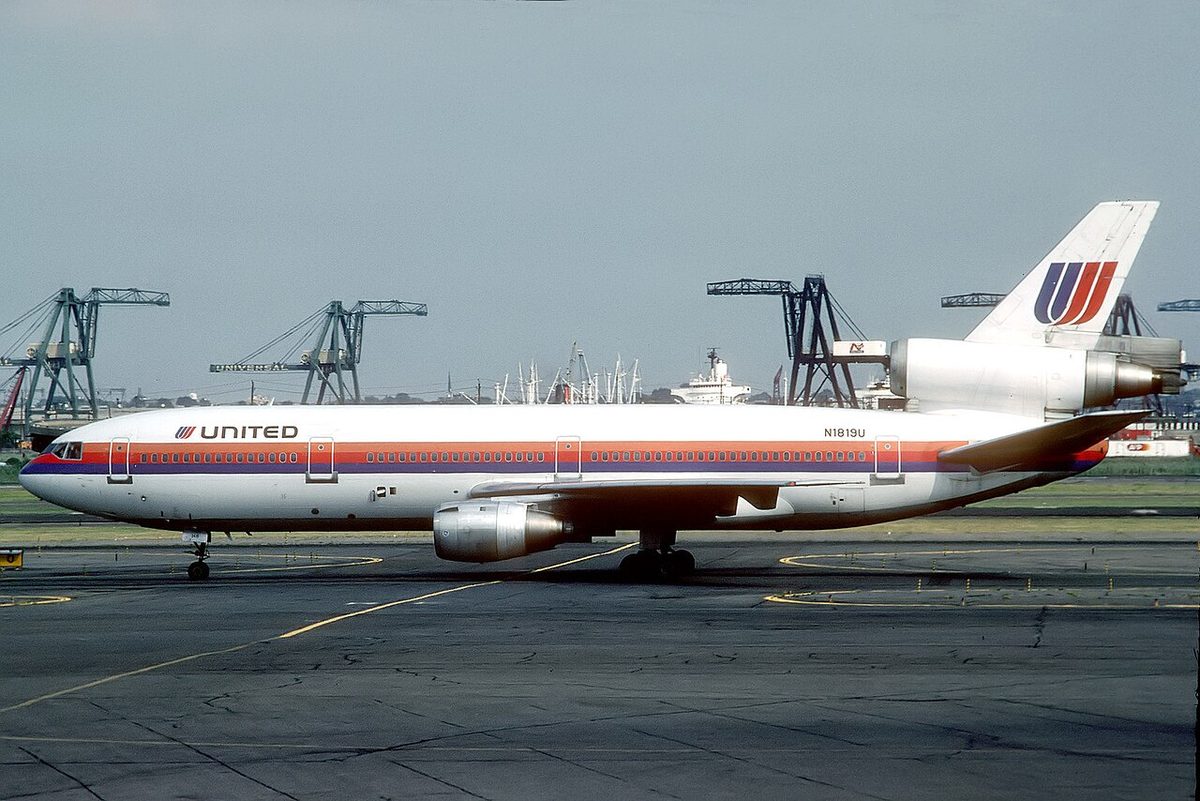
- United Airlines Flight 232: Paul Seymour · CC BY-SA 4.0 · Wikimedia Commons
Crash Investigations pages summarise official investigation reports for study and exam preparation. The investigating body's report is the authoritative account and prevails wherever it differs from this page. Under ICAO Annex 13, an investigation exists to prevent accidents, not to apportion blame or liability.