Loss of Control In Flight (LOC-I) Accidents
Loss of control in flight, abbreviated LOC-I in the taxonomy shared by ICAO and the Commercial Aviation Safety Team, is an accident in which the crew could not keep the aircraft within its normal flight envelope. For more than a decade it has been the largest single cause of fatalities in commercial air transport, according to the safety reports of IATA and ICAO.
The trigger varies: an aerodynamic stall, spatial disorientation, a system failure that was mishandled, a flight control malfunction, severe turbulence or icing. What the accidents share is an unexpected aircraft state that the crew did not recognise in time, followed by a recovery that was late, incorrect or impossible from the height available. After a series of such accidents, the regulators made upset prevention and recovery training (UPRT) part of airline pilot training; the FAA has required extended envelope training in the simulator since March 2019. The investigations below show how each upset developed, why the crew did not recover, and what the investigators recommended.
The investigations
Picture credits
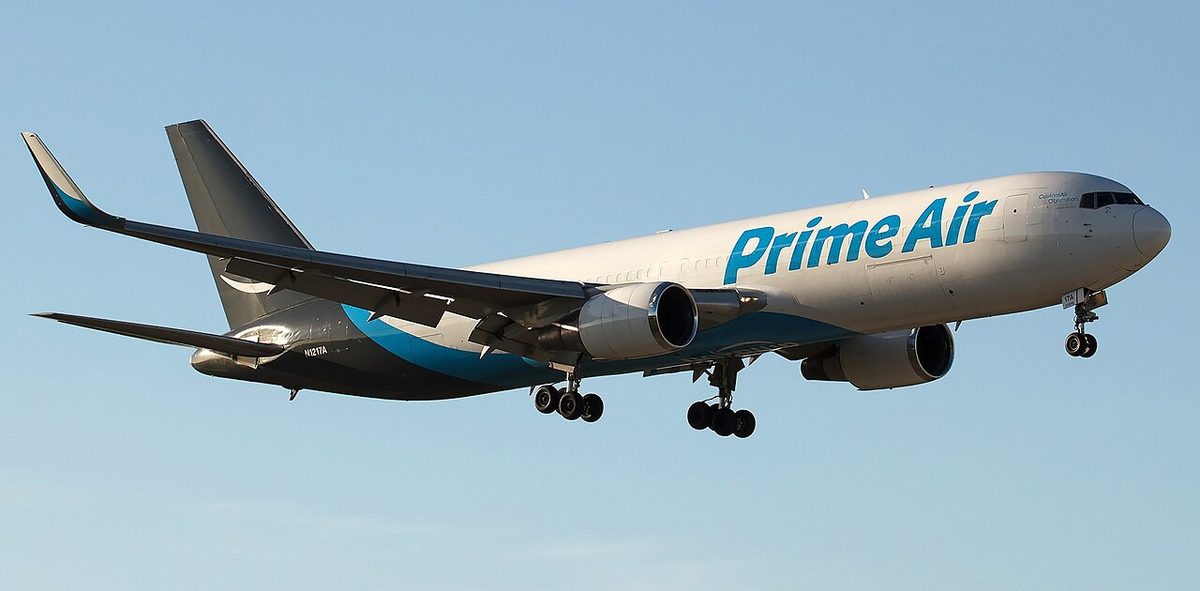
- Atlas Air Flight 3591: Orlando Suarez · CC BY-SA 4.0 · Wikimedia Commons
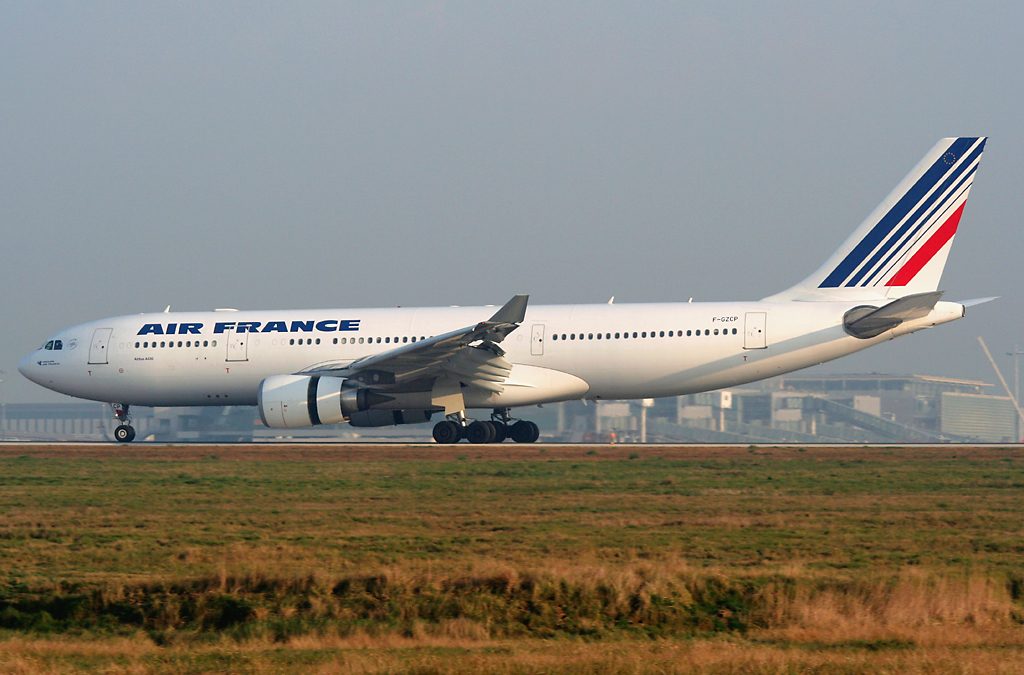
- Air France Flight 447: Pawel Kierzkowski · CC BY-SA 3.0 · Wikimedia Commons
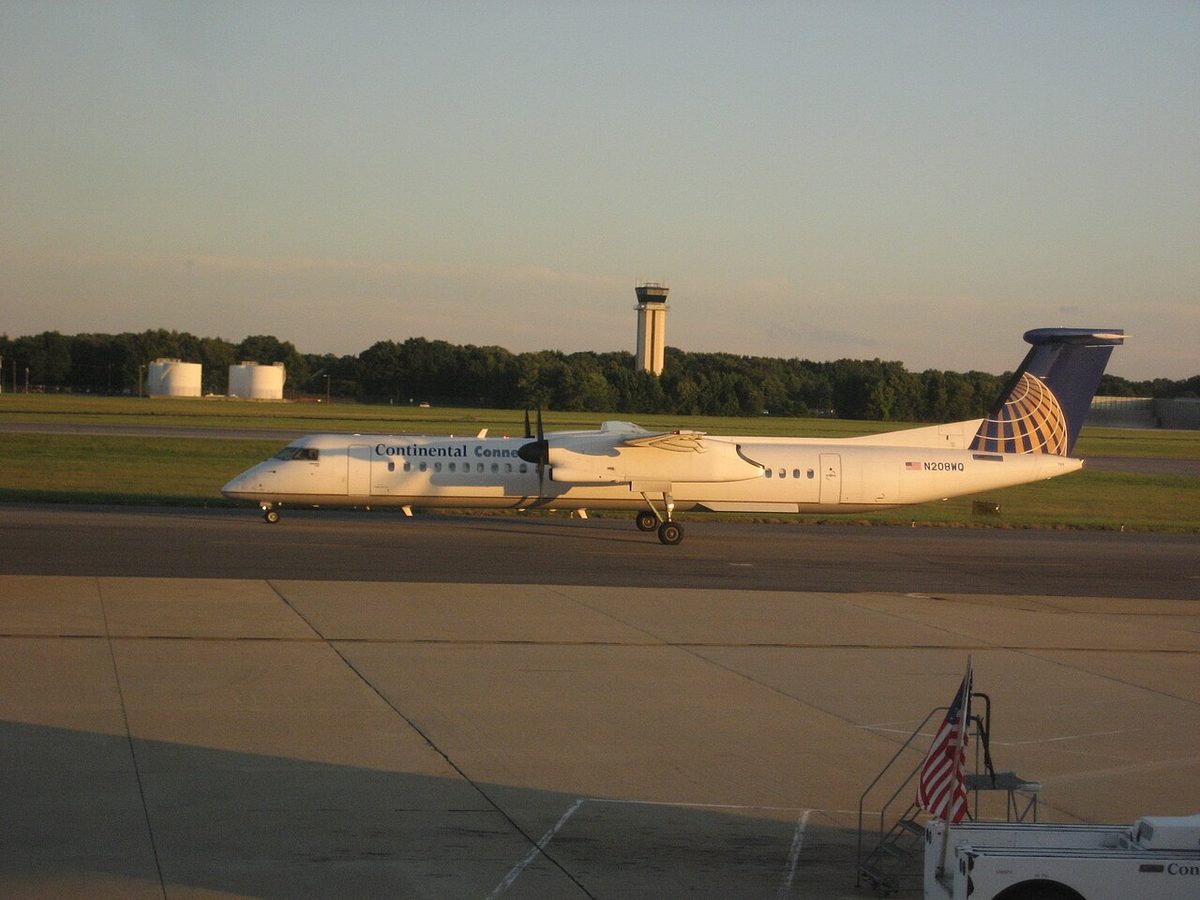
- Colgan Air Flight 3407: DearEdward from New York, NY, USA · CC BY 2.0 · Wikimedia Commons
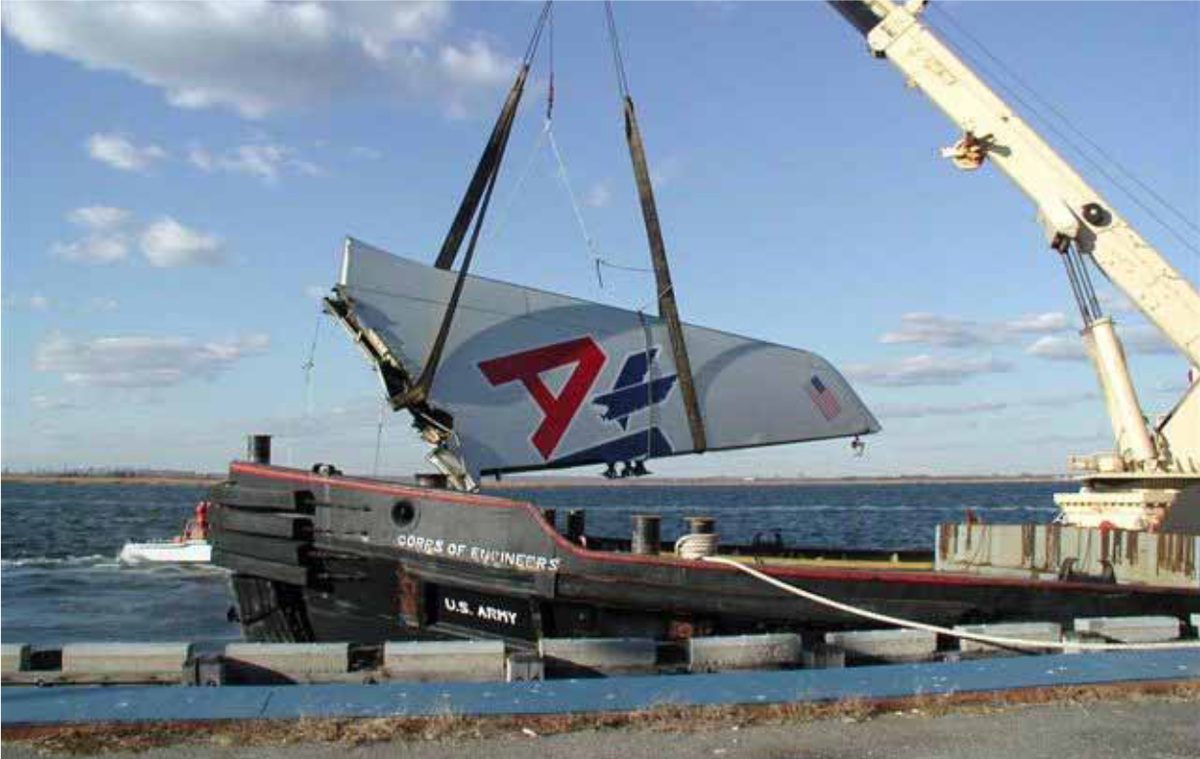
- American Airlines Flight 587: NTSB · Public domain · Wikimedia Commons
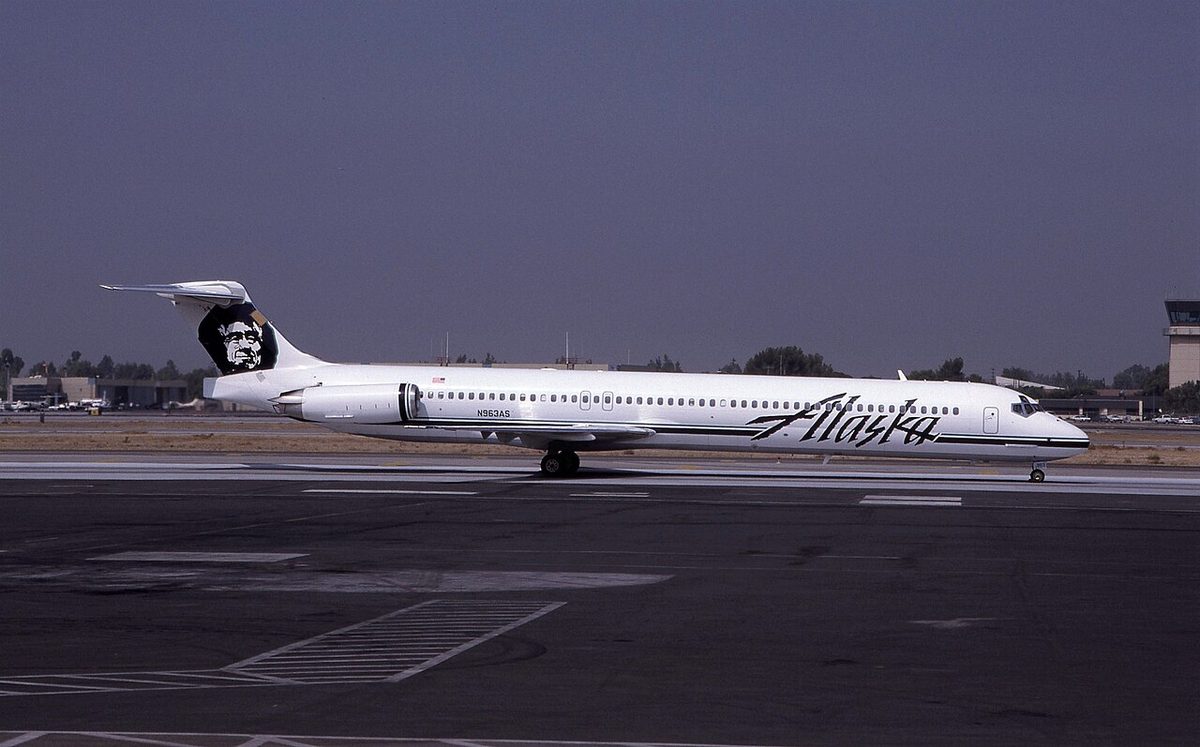
- Alaska Airlines Flight 261: Frank Jäger · CC BY-SA 2.0 · Wikimedia Commons
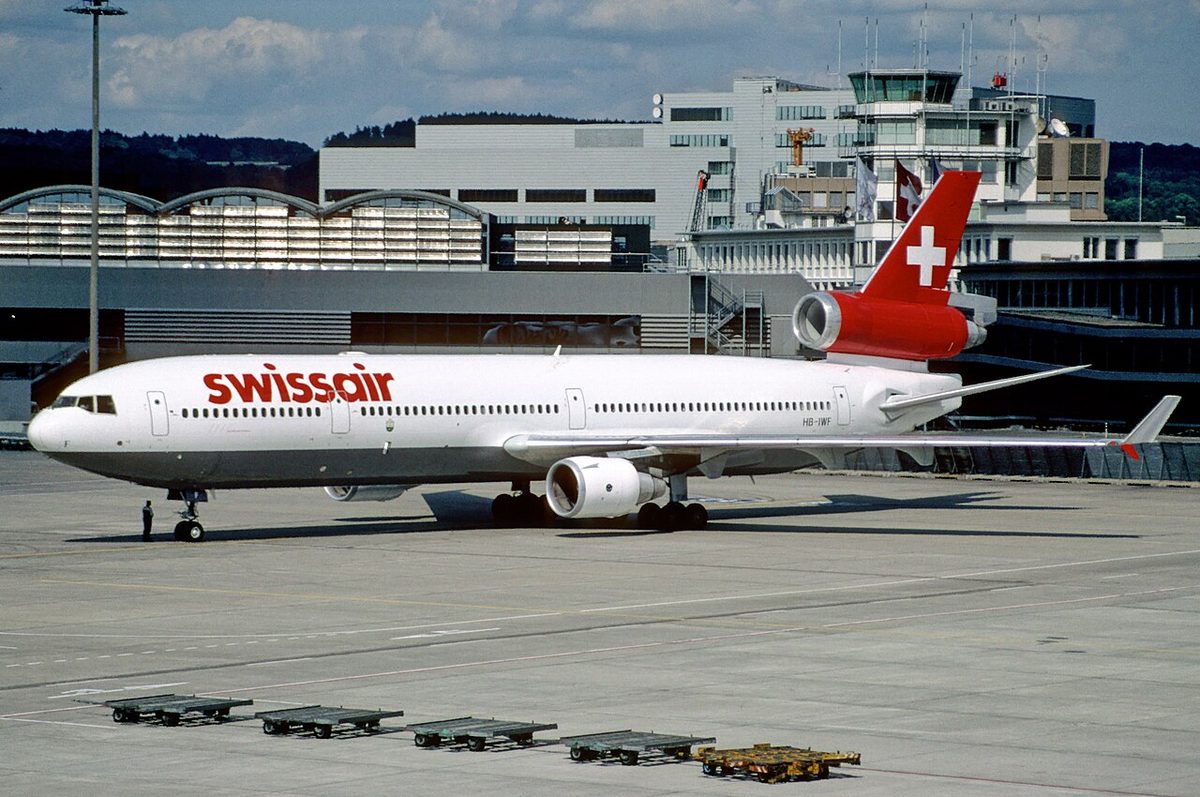
- Swissair Flight 111: Aero Icarus from Zürich, Switzerland · CC BY-SA 2.0 · Wikimedia Commons
Crash Investigations pages summarise official investigation reports for study and exam preparation. The investigating body's report is the authoritative account and prevails wherever it differs from this page. Under ICAO Annex 13, an investigation exists to prevent accidents, not to apportion blame or liability.