Accident Survival and Evacuation
Survival factors decide whether the occupants of an aircraft live through an accident once it has happened: the strength of the seats and restraints, the crashworthiness of the cabin, the fire resistance of its materials, the emergency exits and lighting, the evacuation itself, and the rescue and firefighting response. Most accidents to airliners are survivable, and investigators study each one to understand why people lived or died.
Certification requires that a full aircraft can be evacuated within 90 seconds with half of its exits available, yet in real evacuations passengers stop to collect their bags, smoke fills the cabin and exits jam. Many improvements now taken for granted came from these reports: floor proximity lighting, fire-blocking seat covers, seats tested to 16 g, better access to overwing exits, and cabin crew commands that are short, loud and assertive. For pilots, the reports show the importance of a timely decision to evacuate and of clear communication with the cabin crew. The investigations below look at what helped people get out, and what stood in their way.
The investigations
Picture credits
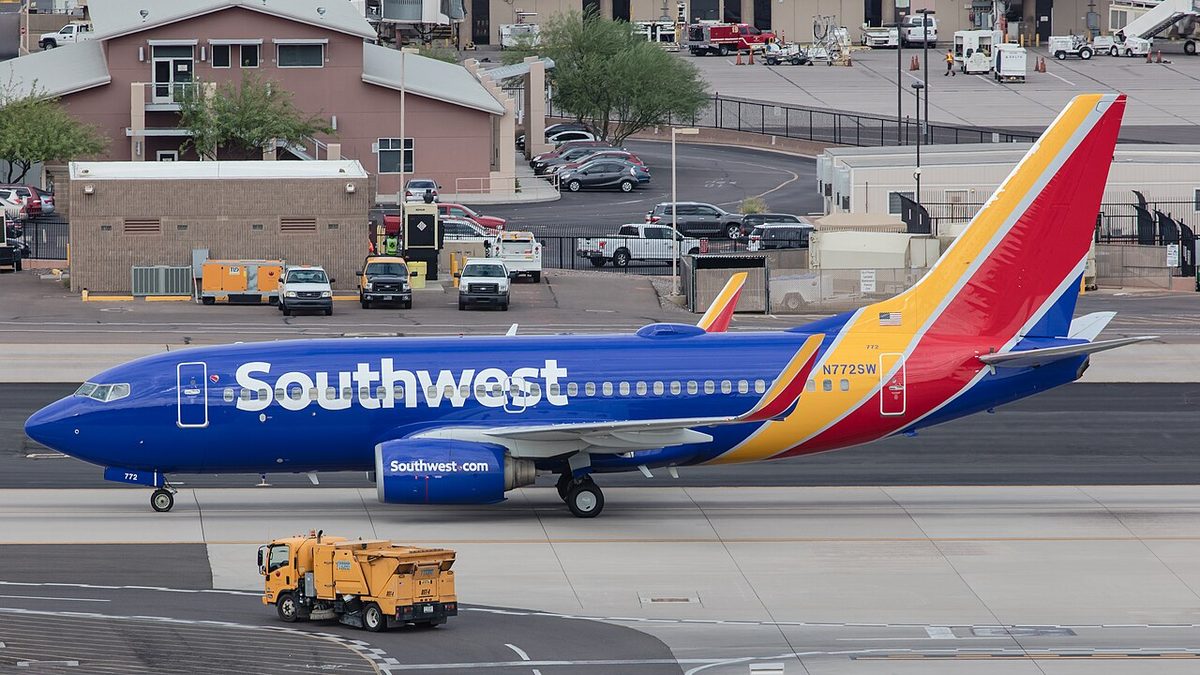
- Southwest Airlines Flight 1380: Werner Lehmann · CC BY-SA 2.0 · Wikimedia Commons
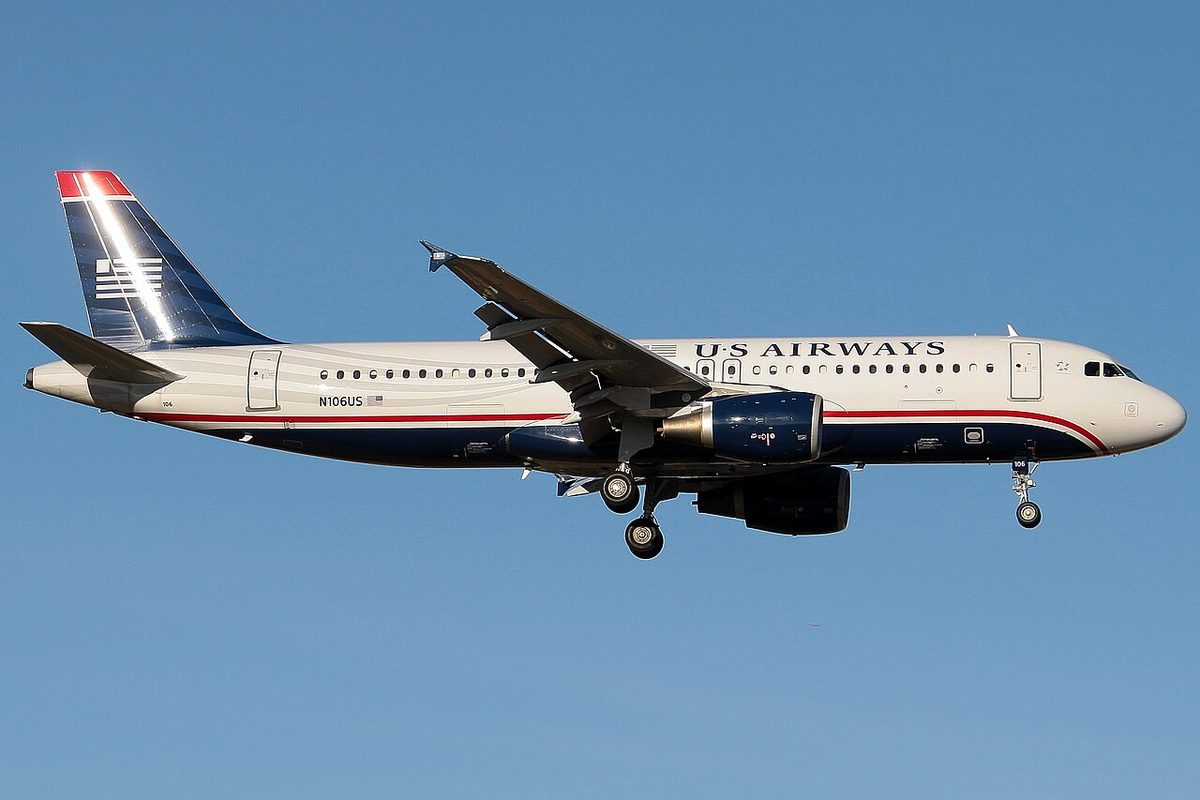
- US Airways Flight 1549: Edmund Seeger · CC BY-SA 2.0 · Wikimedia Commons
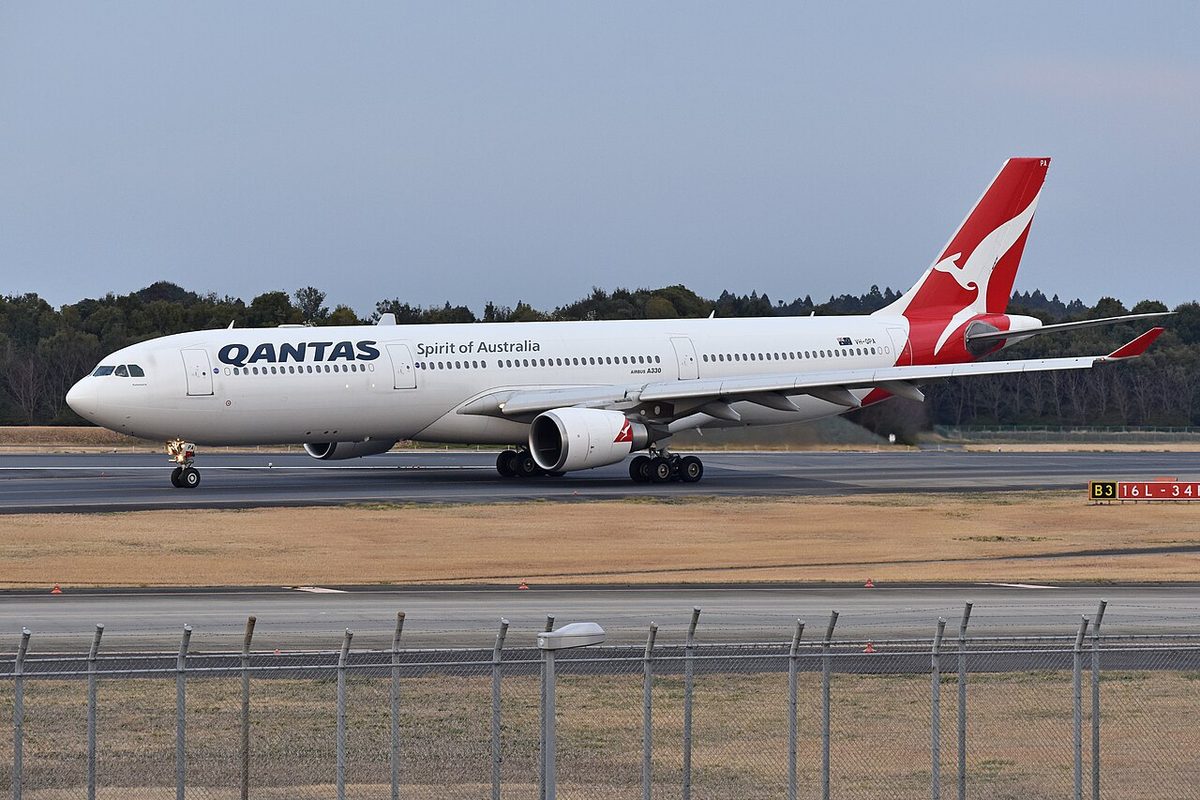
- Qantas Flight 72: Hawkeye UK · CC BY-SA 2.0 · Wikimedia Commons
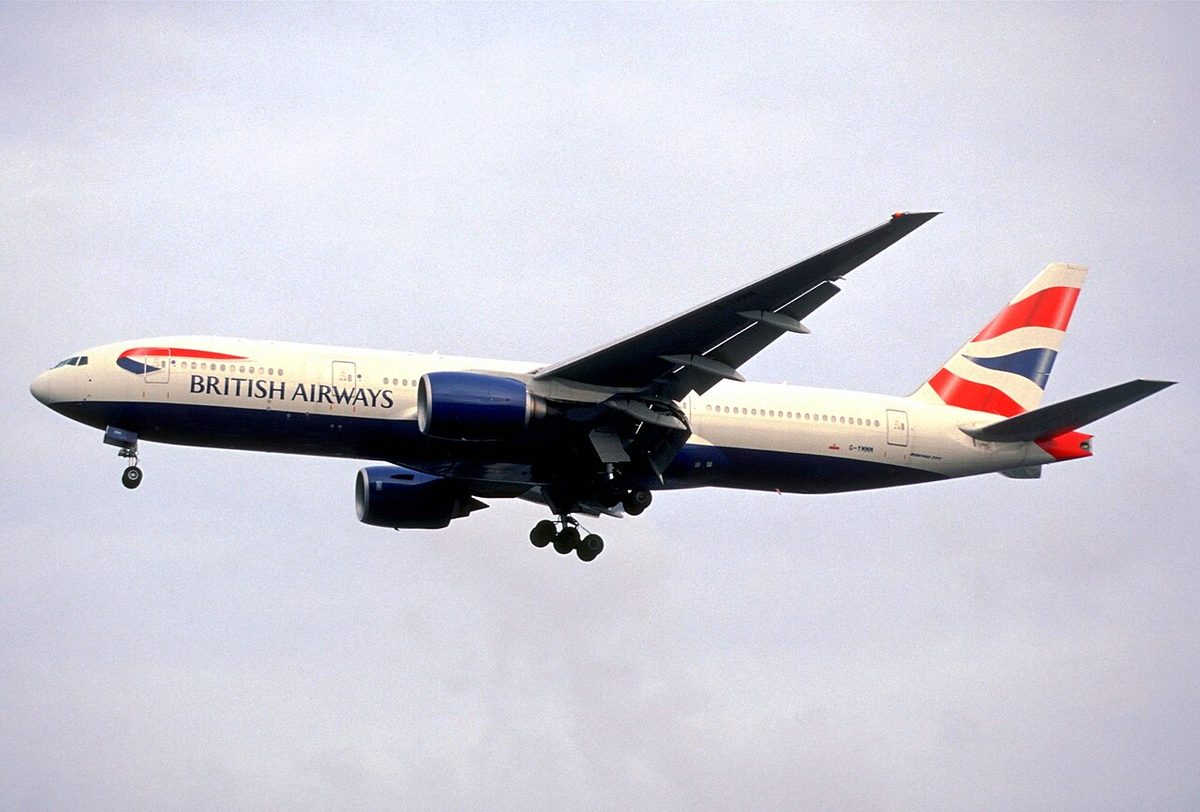
- British Airways Flight 38: Aero Icarus from Zürich, Switzerland · CC BY-SA 2.0 · Wikimedia Commons
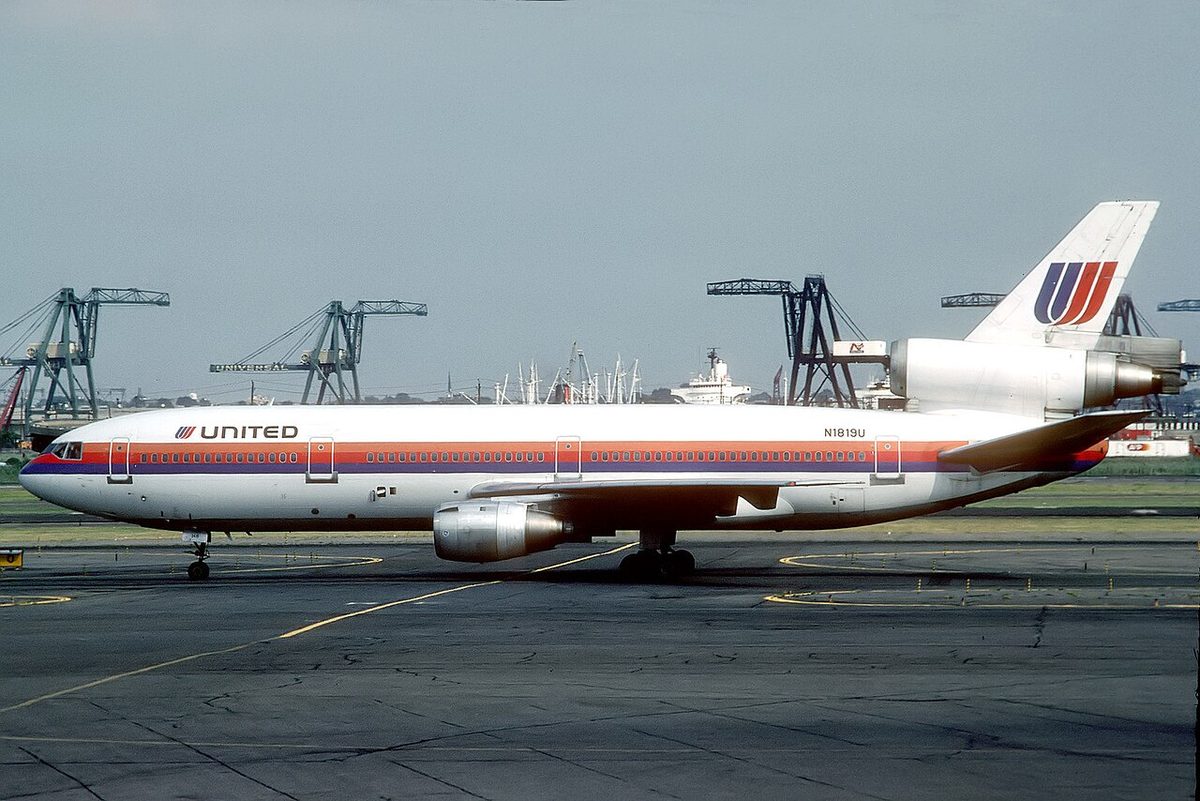
- United Airlines Flight 232: Paul Seymour · CC BY-SA 4.0 · Wikimedia Commons
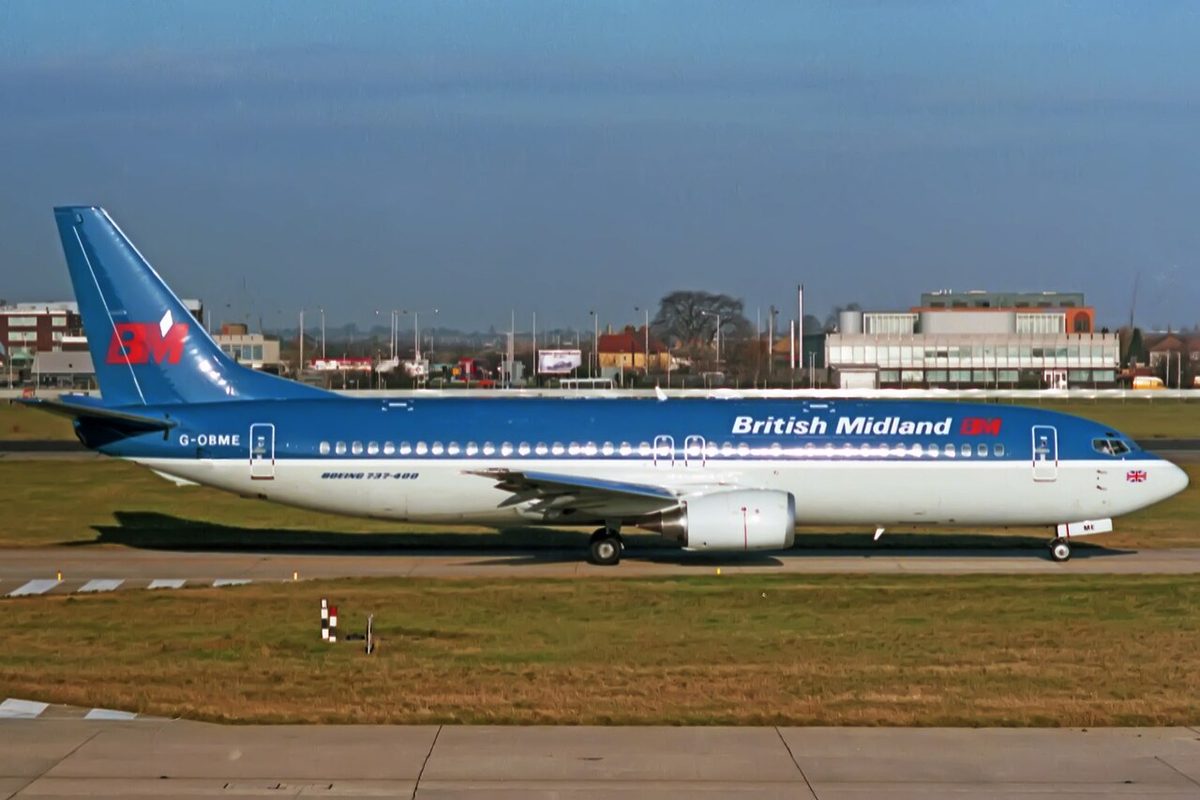
- British Midland Flight 92 (Kegworth): Leslie Snelleman · CC BY-SA 4.0 · Wikimedia Commons
Crash Investigations pages summarise official investigation reports for study and exam preparation. The investigating body's report is the authoritative account and prevails wherever it differs from this page. Under ICAO Annex 13, an investigation exists to prevent accidents, not to apportion blame or liability.