Engine Failure Accidents
Modern turbine engines are extremely reliable, and multi-engine transport aircraft are certified to continue a takeoff and climb away safely after the failure of one engine at the most critical point. That is why, in accident reports, the engine failure itself is rarely the whole story.
The reports describe uncontained failures whose debris cut fuel lines, hydraulic systems or structure; failures of several engines at once, caused by fuel problems, volcanic ash, bird strikes or ice crystals; and, above all, crews who identified the wrong engine or mishandled the aircraft after the failure. In twin-engine aircraft, shutting down the good engine has caused more than one accident, which is why procedures insist on confirming the failed engine before any action is taken. In light twins, loss of control after an engine failure at low speed, close to the minimum control speed, is a classic hazard. The investigations below cover both sides of the problem: the machine, and the human response to its failure.
The investigations
Picture credits
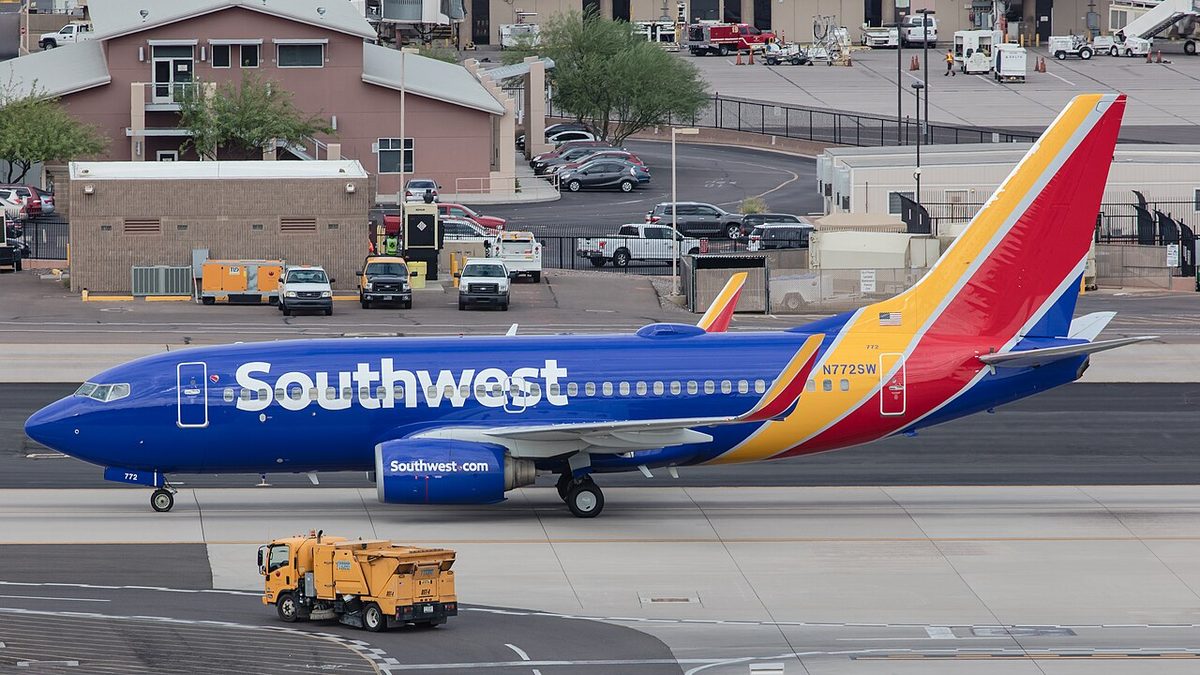
- Southwest Airlines Flight 1380: Werner Lehmann · CC BY-SA 2.0 · Wikimedia Commons
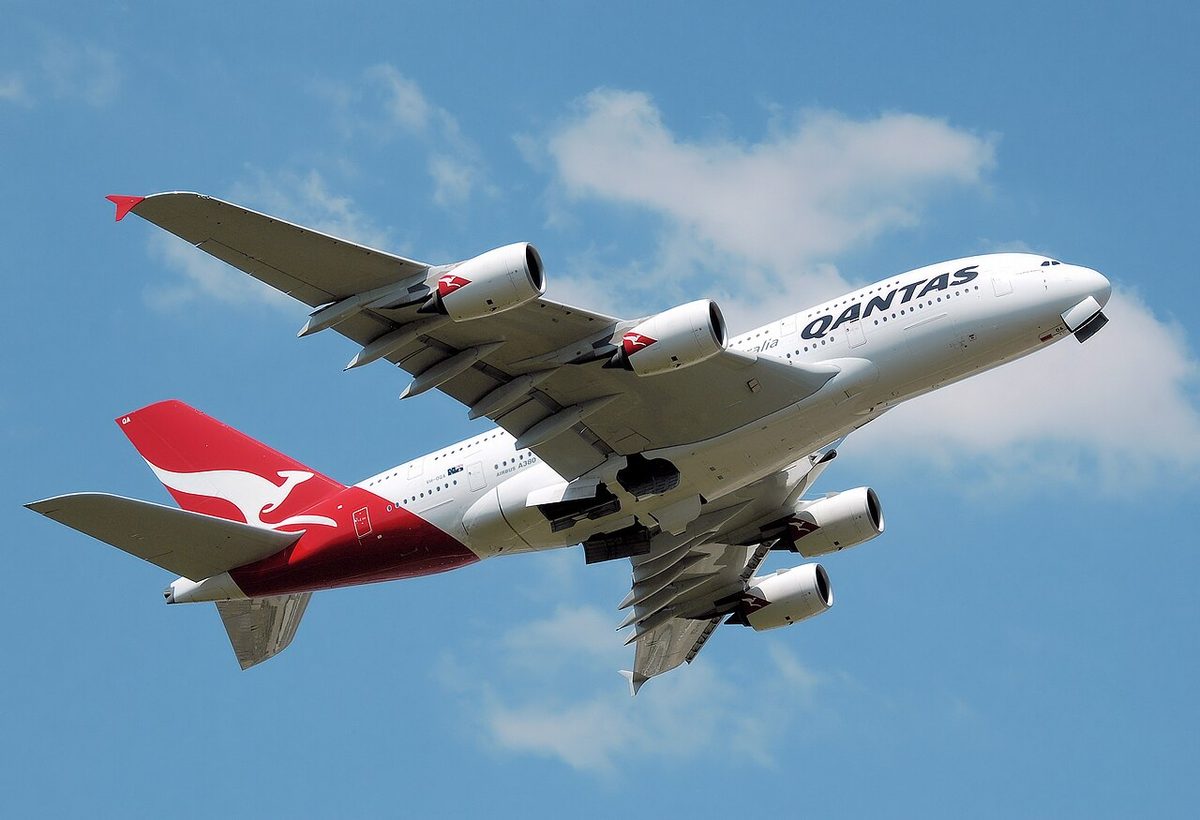
- Qantas Flight 32: Adrian Pingstone ( talk ) · Public domain · Wikimedia Commons
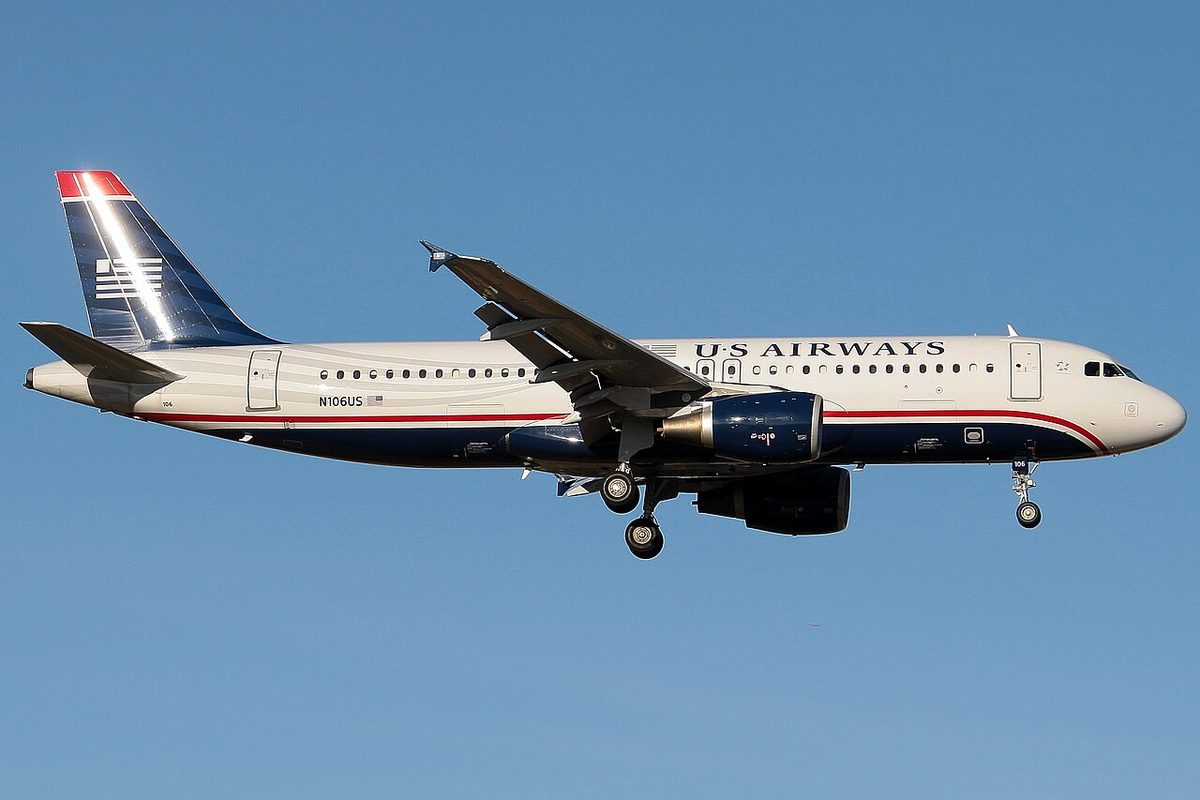
- US Airways Flight 1549: Edmund Seeger · CC BY-SA 2.0 · Wikimedia Commons
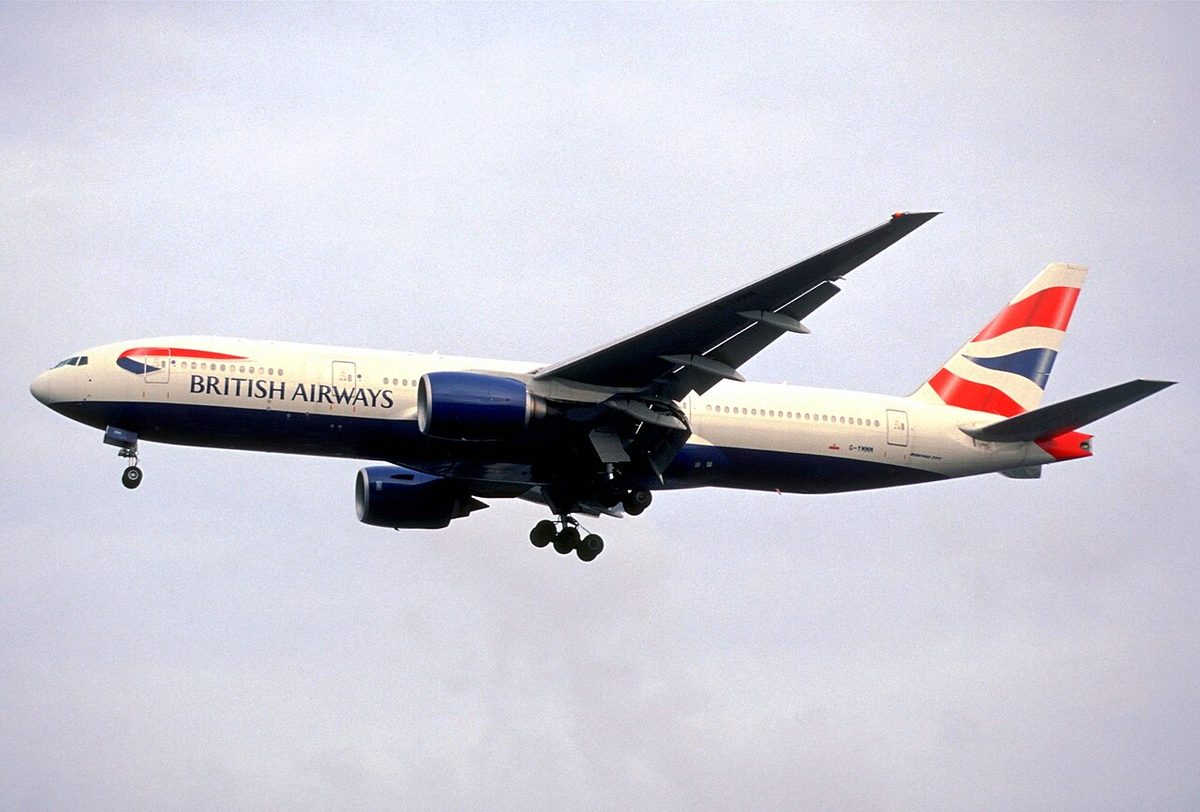
- British Airways Flight 38: Aero Icarus from Zürich, Switzerland · CC BY-SA 2.0 · Wikimedia Commons
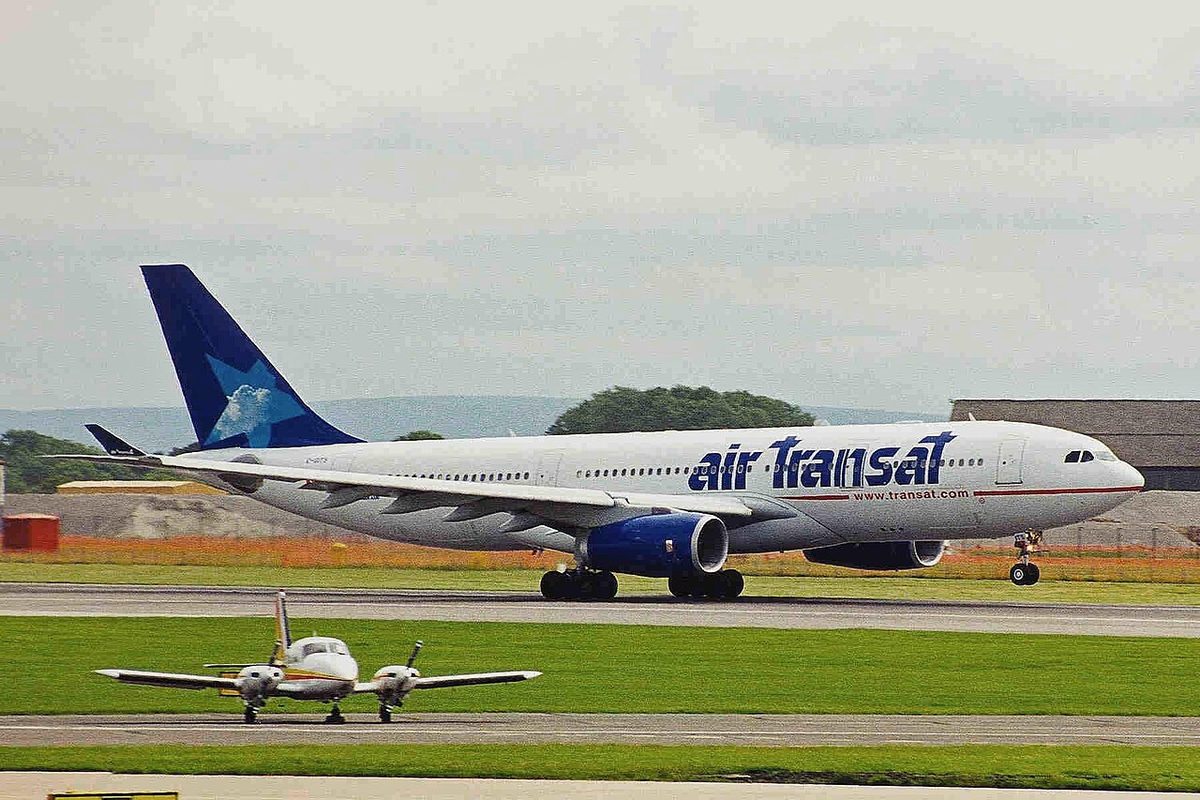
- Air Transat Flight 236: Ken Fielding · CC BY-SA 3.0 · Wikimedia Commons
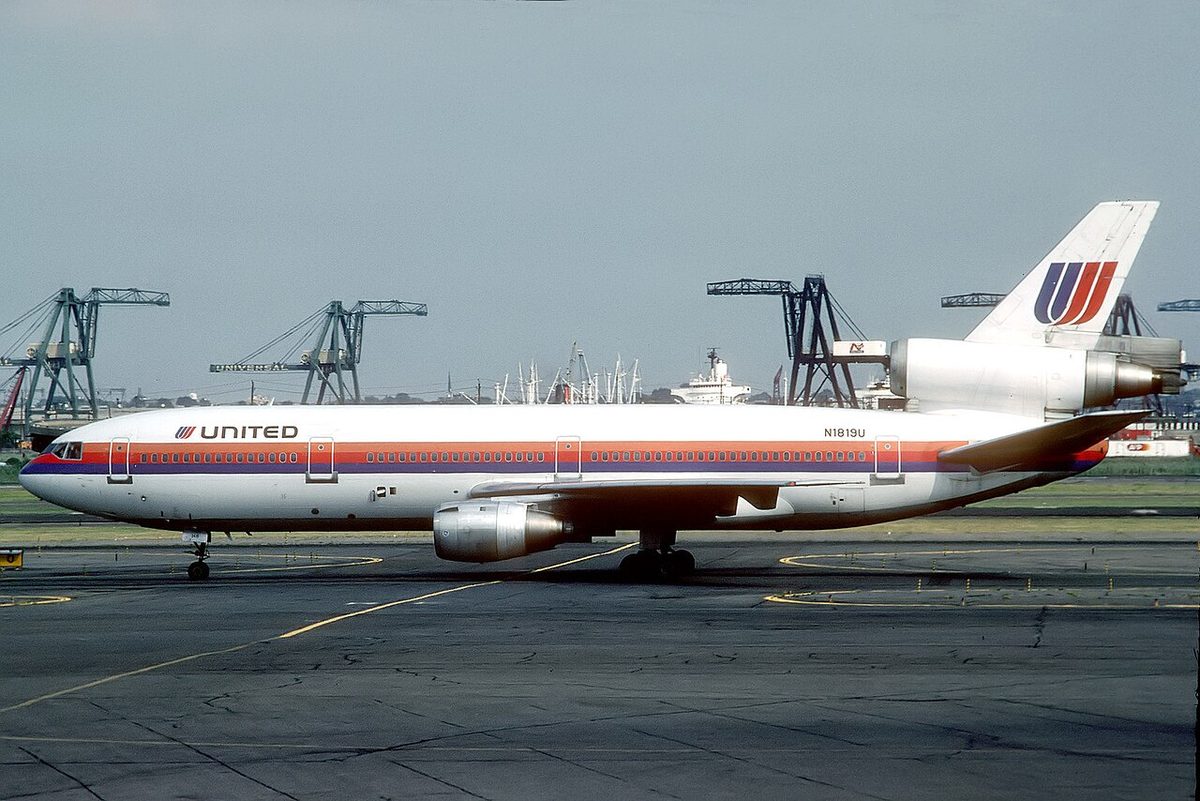
- United Airlines Flight 232: Paul Seymour · CC BY-SA 4.0 · Wikimedia Commons
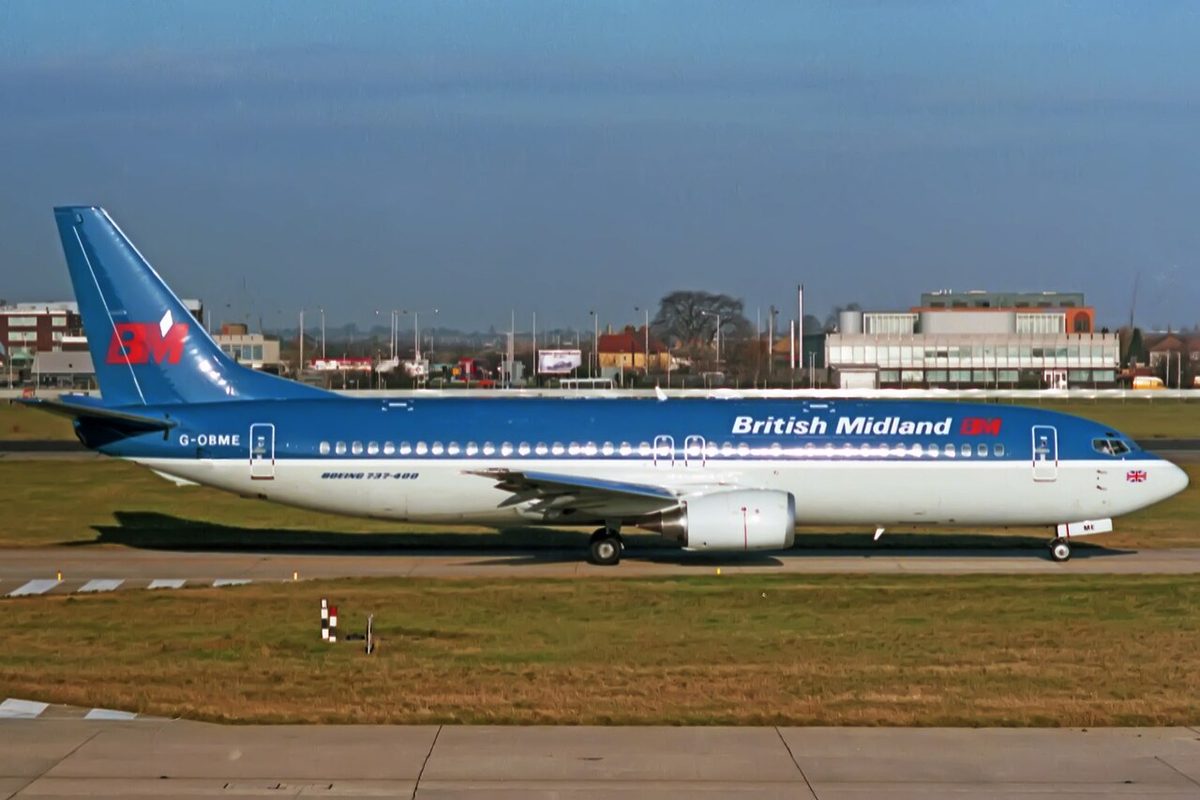
- British Midland Flight 92 (Kegworth): Leslie Snelleman · CC BY-SA 4.0 · Wikimedia Commons
Crash Investigations pages summarise official investigation reports for study and exam preparation. The investigating body's report is the authoritative account and prevails wherever it differs from this page. Under ICAO Annex 13, an investigation exists to prevent accidents, not to apportion blame or liability.