Flight Control Failure Accidents
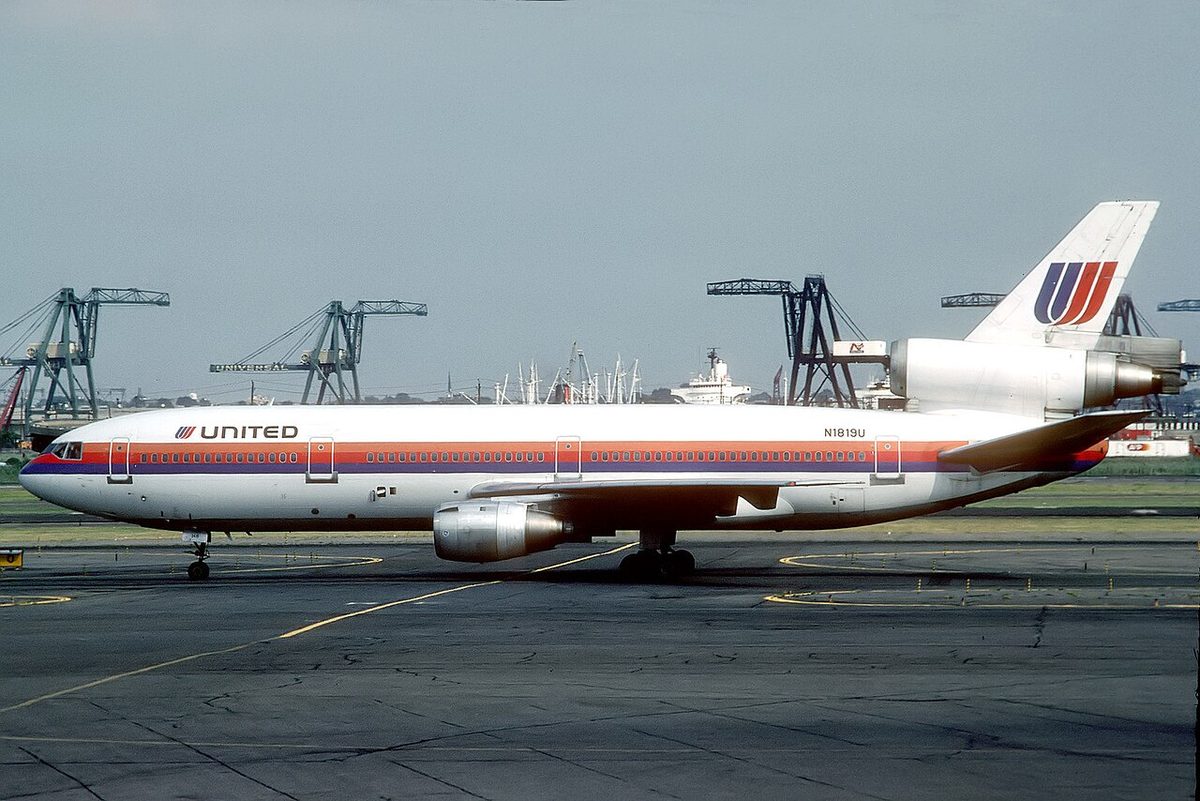
Flight control accidents involve a malfunction or misuse of the systems that move the control surfaces: a jammed elevator or stabiliser trim, a rudder that moved against the pilot's input, a disconnected cable, a loss of hydraulic power, or fly-by-wire logic that behaved differently from what the crew expected. Transport aircraft are designed so that no single failure should leave them uncontrollable, but investigations have uncovered combinations the designers did not foresee, as when an uncontained engine failure disabled all three hydraulic systems of a DC-10 in 1989 and the crew steered it with engine thrust alone.
Other reports deal with the maintenance of trim systems, with uncommanded rudder movements on the Boeing 737 in the 1990s, and with the use of the rudder in wake turbulence. The lessons for pilots concern knowing the flight control architecture of your type, recognising a control problem early, using trim cut-outs and alternate systems correctly, and handling the aircraft gently when its controllability is in doubt.
The investigations
Picture credits
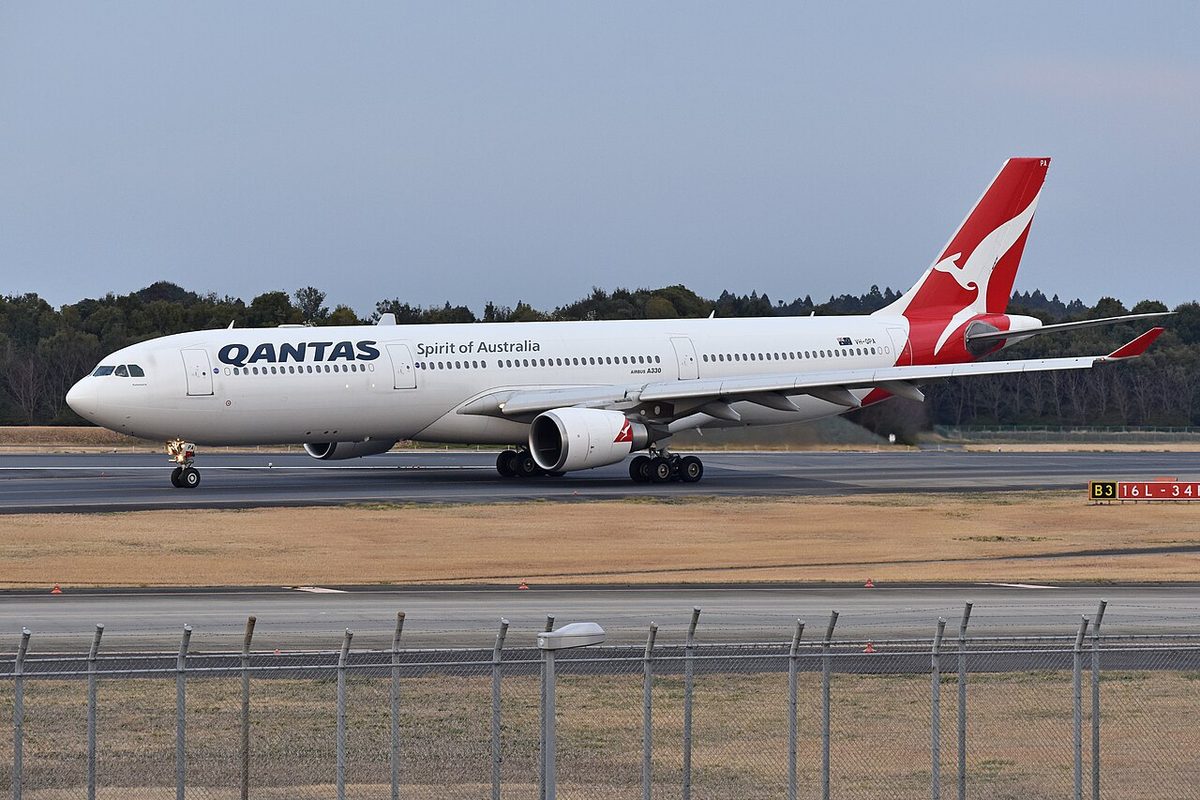
- Qantas Flight 72: Hawkeye UK · CC BY-SA 2.0 · Wikimedia Commons
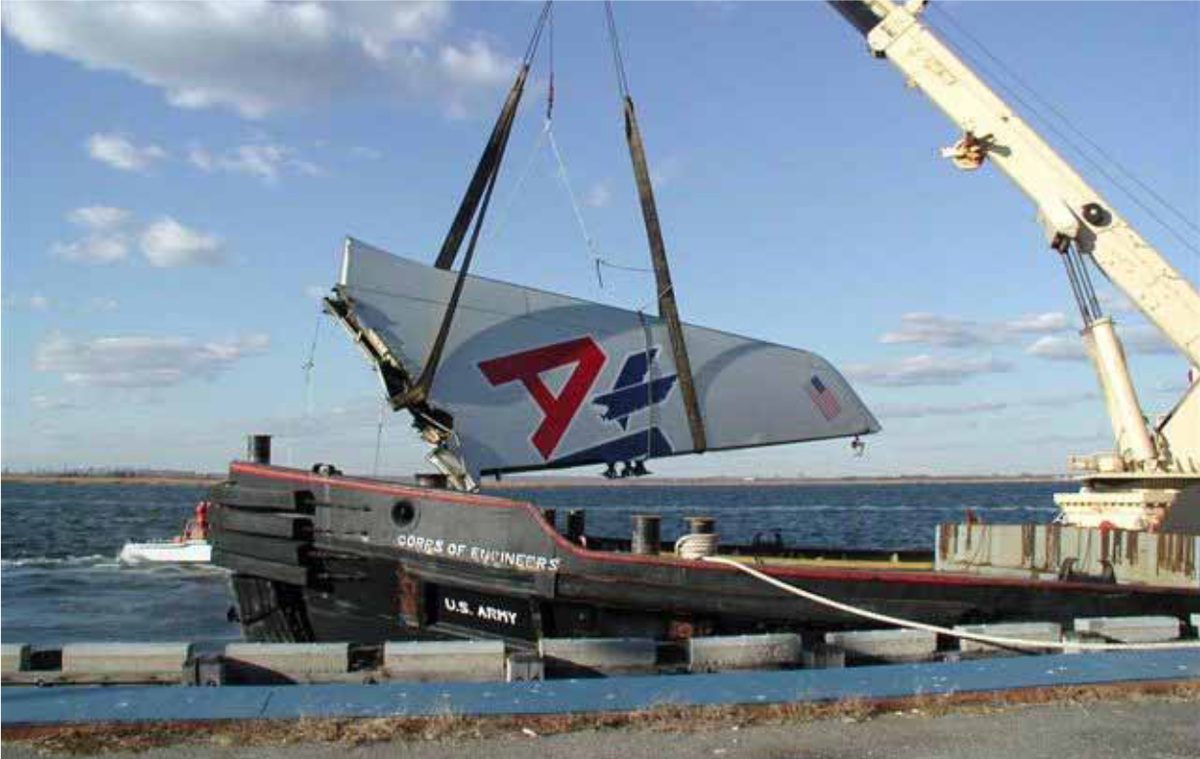
- American Airlines Flight 587: NTSB · Public domain · Wikimedia Commons
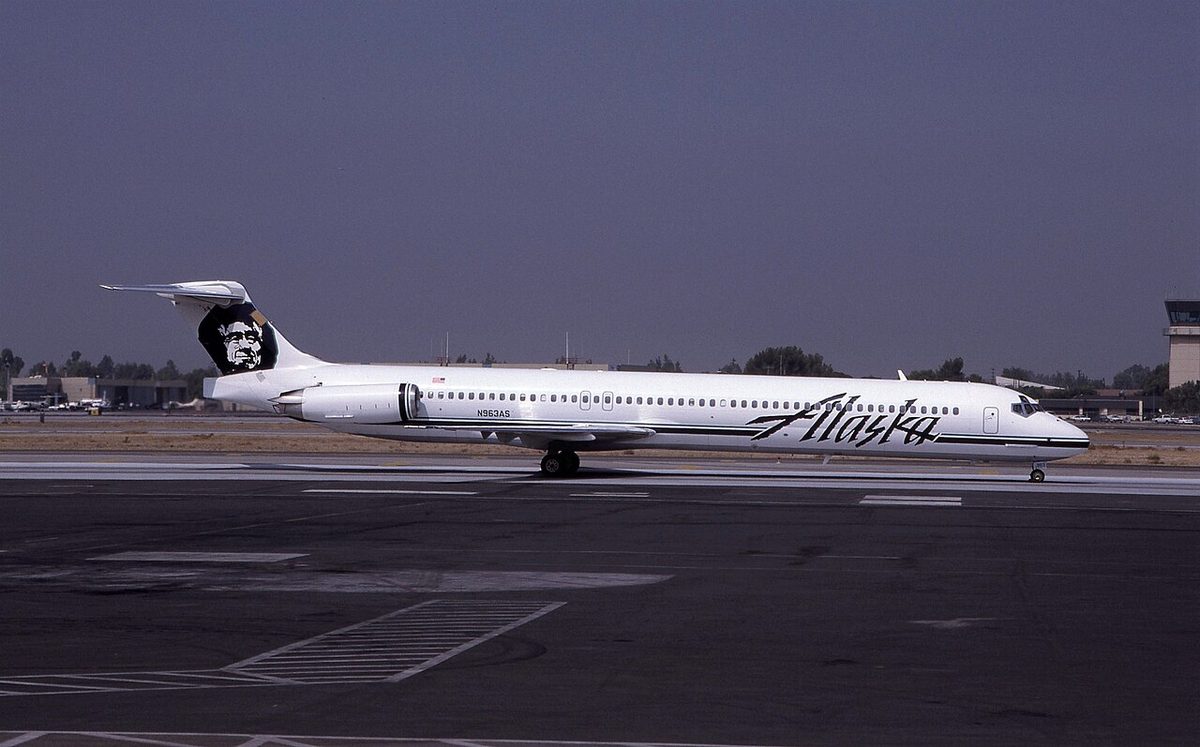
- Alaska Airlines Flight 261: Frank Jäger · CC BY-SA 2.0 · Wikimedia Commons
- United Airlines Flight 232: Paul Seymour · CC BY-SA 4.0 · Wikimedia Commons
Crash Investigations pages summarise official investigation reports for study and exam preparation. The investigating body's report is the authoritative account and prevails wherever it differs from this page. Under ICAO Annex 13, an investigation exists to prevent accidents, not to apportion blame or liability.