FAA ATP Written Test (ATM) 2026: ATP-CTP, 125 Questions, Cost and Validity
The ATP — Multiengine Airplane knowledge test (ATM) is the one FAA written you cannot simply book: since August 2014 you must first complete the ATP Certification Training Program (ATP-CTP), 30 hours of classroom and 10 hours of simulator at an approved provider. Then the test itself: 125 questions, 4 hours, 70% to pass, and a result valid for 60 calendar months. Most US pilots take it while instructing or flying Part 135, so that the regional airline that hires them at 1,500 hours can put them straight into the ATP checkride.
ATP-CTP first
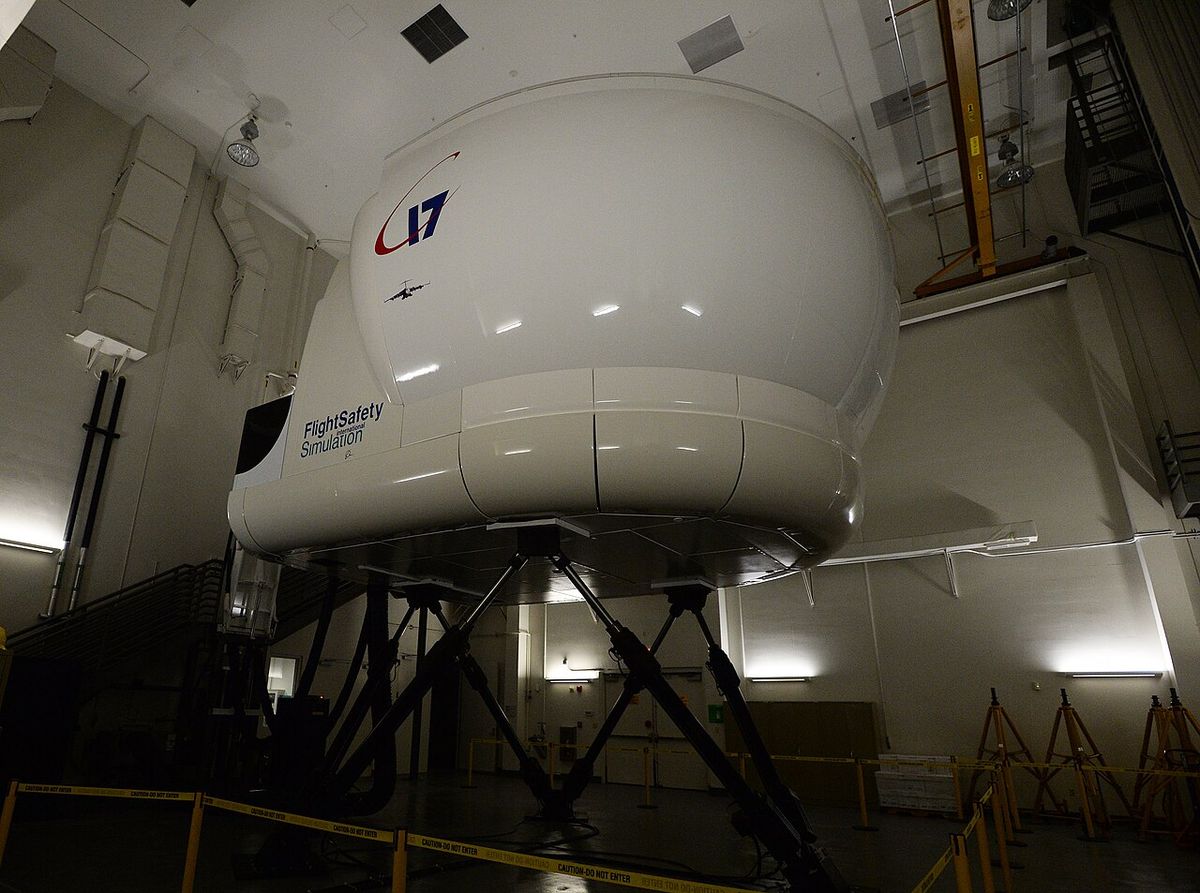
14 CFR 61.156 requires the ATP-CTP before the ATM knowledge test. The course is 30 hours of academics (aerodynamics for large aircraft, automation, adverse weather, air carrier operations, transport-category systems, leadership and CRM, safety culture) and 10 hours in a simulator — at least 6 in a Level C or D full-flight simulator of a transport-category jet and up to 4 in a flight training device. Providers are Part 142 training centres and Part 121/135 operators; the course typically runs five to seven days. On completion you receive a graduation certificate, which the testing centre needs to see.
The CTP is not an aircraft type rating and does not require any prior turbine time. It is, for most pilots, the first time in a full-motion jet simulator.
The ATM test
| Item | ATP — Multiengine Airplane (ATM) |
|---|---|
| Prerequisite | ATP-CTP graduation certificate (14 CFR 61.156); government photo ID |
| Questions | 125, multiple choice |
| Time | 4 hours |
| Pass mark | 70% |
| Validity | 60 calendar months (14 CFR 61.39) — longer than the 24 months of every other FAA written |
| Fee | Set by PSI, about USD 175 at the time of writing |
| Supplement | Airman Knowledge Testing Supplement for ATP and Aircraft Dispatcher (FAA-CT-8080-7): approach charts, performance tables, weight-and-balance, weather products |
There is a separate ATS test for single-engine ATP and an ATA for the ATP airplane with a restricted-privileges route; the airline world means ATM.
What it covers
- Regulations for air carriers: 14 CFR Part 121 (and 135) — flight and duty time (Part 117), crew requirements, dispatch, fuel, alternate requirements, MEL, operations specifications.
- Transport-category performance: V-speeds, balanced field, climb segments, weight-and-balance with large-aircraft loading, landing performance and runway condition.
- Weather: jet-stream and high-altitude meteorology, turbulence, icing, windshear and microbursts, thunderstorm avoidance, weather products for dispatch.
- Navigation and instrument procedures: RNAV/RNP, approach chart reading from the supplement, holding, alternate minimums, Category II/III basics.
- Aerodynamics and systems of swept-wing jets: Mach effects, high-altitude stall, spoilers, autoflight, pressurisation, anti-ice, EFIS.
- Human factors and CRM: fatigue, threat and error management, leadership.
Compared with the private and instrument writtens it is less about memorising numbers and more about reading tables and charts under time pressure. The performance and weight-and-balance problems from the supplement are where candidates lose points.
Cost and where the money goes
The written itself is cheap (about USD 175); the ATP-CTP course is not: typically USD 4,000–6,000 at an independent Part 142 centre, less if bundled, and often free when a regional airline puts new hires through its own CTP as the start of indoc. That is the usual sequence: get hired at 1,500 hours (or R-ATP minima) with the written not yet done, the airline runs the CTP and you sit the ATM during training. The alternative — paying for the CTP yourself and arriving with the written passed — makes you a slightly easier hire and is what many CFIs do.
When to take it
The 60-month validity is the FAA’s way of letting you take the written well before you have the hours. A pilot instructing at 800 hours can do the CTP and the ATM, then finish time-building, and the result is still valid at the ATP checkride two or three years later. Check the airline: some pay for and schedule the CTP themselves and prefer you to wait; others list a passed ATM as a competitive advantage.
From the written to the ATP certificate
The ATP practical test needs the aeronautical experience of 14 CFR 61.159: 1,500 hours total, 500 cross-country, 100 night, 75 instrument (actual or simulated), 250 as pilot in command or SIC performing PIC duties, 50 in the class of airplane, and age 23 — or the Restricted ATP minima. At a regional airline the checkride is combined with the type rating at the end of training; the ATP certificate and the type rating are issued together.
Common questions
Do I need ATP-CTP before the ATP written? Yes. Since 1 August 2014, 14 CFR 61.156 requires an ATP Certification Training Program graduation certificate before you can take the ATM (multiengine) knowledge test: 30 hours of academics and 10 hours of simulator, at least 6 of them in a Level C or D full-flight simulator.
How many questions are on the ATP written? 125 multiple-choice questions in 4 hours, pass mark 70%.
How long is the ATP written valid? 60 calendar months, under 14 CFR 61.39 — unlike the 24 months of the private, instrument and commercial writtens. It is designed to be taken before you have 1,500 hours.
How much does ATP-CTP cost? Typically USD 4,000 to 6,000 at an independent Part 142 training centre. Many regional airlines run the CTP for new hires at no cost as the first part of training.
What is the difference between ATM, ATS and ATA? ATM is the ATP Multiengine Airplane test that airline pilots take; ATS is the single-engine ATP test; ATA is the airplane test associated with the restricted-privileges route. All require the CTP for the multiengine case.
Prepare for the assessment, not just the application
Getting the interview is the easy half. v1prep has 16,000+ technical questions with every answer cited to its source — A320, B737, EASA ATPL theory and the FAA writtens.
Start practising free →