How to Become an Airline Pilot in the USA: Zero to a Major, Step by Step
From a first discovery flight to a seat at Delta, the American path has a fixed shape: medical, Private, Instrument, Commercial, instructor, 1,500 hours, ATP, regional airline, major. It takes about two years to a regional if you train full-time and instruct hard, USD 80,000–120,000 at an academy, and — unlike Europe — there is no cadet shortcut around the hours. Here is every step, what it costs, how long it takes, and where people get stuck.
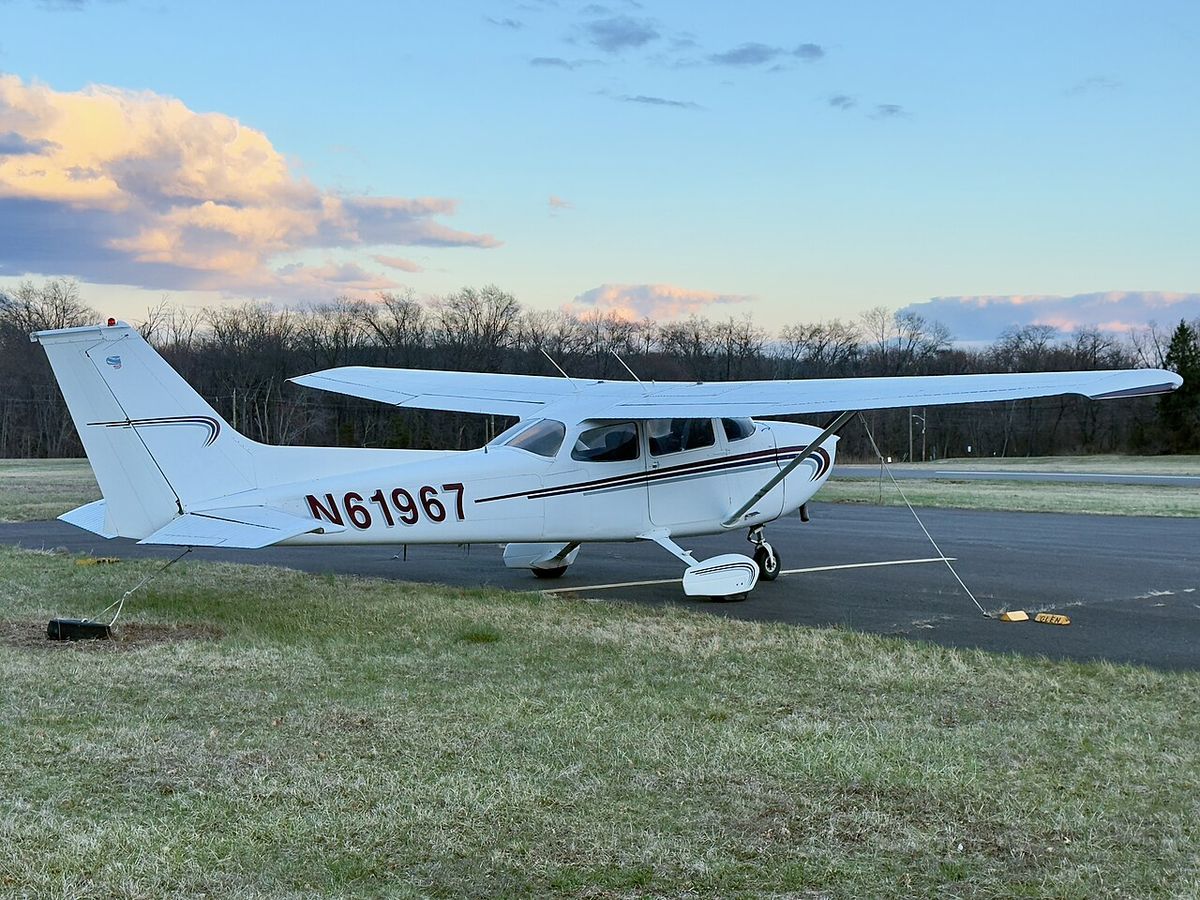
1. The medical, first
Before a dollar goes to a flight school, see an Aviation Medical Examiner and get a First Class medical — the one an ATP needs. A Third Class is enough to train, but you want to know now whether colour vision, hearing, a past diagnosis or a medication will become a problem at 1,500 hours. See FAA medical certificates explained.
2. Private Pilot
Minimum 40 hours under Part 61 (35 under Part 141); the national average is 60–75. One written test of 60 questions, then a checkride. Cost USD 12,000–18,000 at typical 2026 rental and instruction rates. Age 17 for the certificate.
3. Instrument Rating
40 hours of instrument time (up to 20 in an approved simulator under Part 61), 50 hours PIC cross-country, the IRA written and a checkride. Most students do it straight after the private while building the cross-country time. USD 10,000–15,000.
4. Commercial Pilot
250 hours total under Part 61 (190 under Part 141) with the specified PIC, cross-country, night and complex or TAA time; the CAX written (100 questions) and a checkride. Age 18. This is the certificate that lets you be paid — and the point at which many switch to a multi-engine rating too. Total to commercial from zero: 250 hours and roughly USD 55,000–80,000.
5. Build hours: CFI and the alternatives
The gap from 250 to 1,500 hours is the defining feature of the American path. The standard answer is the Certificated Flight Instructor rating (two writtens, FIA and FOI, and a demanding checkride), then a year to two of instructing at 60–80 hours a month, paid. Alternatives: Part 135 charter or cargo as SIC once you have 500–1,200 hours, banner towing, pipeline patrol, skydive flying, aerial survey. Multi-engine and turbine time are worth more than the totals suggest when the airline reads your logbook.
6. ATP-CTP and the ATP
Somewhere past 1,000 hours, do the ATP-CTP course and the ATM written (valid 60 months) — or let the regional airline that hires you run them during training, which most do. The ATP checkride needs 1,500 hours, 500 cross-country, 100 night, 75 instrument, 250 PIC and age 23; the R-ATP lowers that to 750–1,250 hours and age 21 for military pilots and aviation-degree graduates.
7. The regional airline
SkyWest, Envoy, Republic, PSA, Piedmont, Endeavor, Horizon and the rest hire at ATP or R-ATP minima, pay for the type rating, and issue the ATP certificate with it at the end of training. First-year pay has risen sharply since 2022; Envoy was paying Captain’s rates from 750 Part 121 hours through 2026. Upgrade to Captain at a regional currently comes in two to four years. See the USA and Canada board for who is hiring.
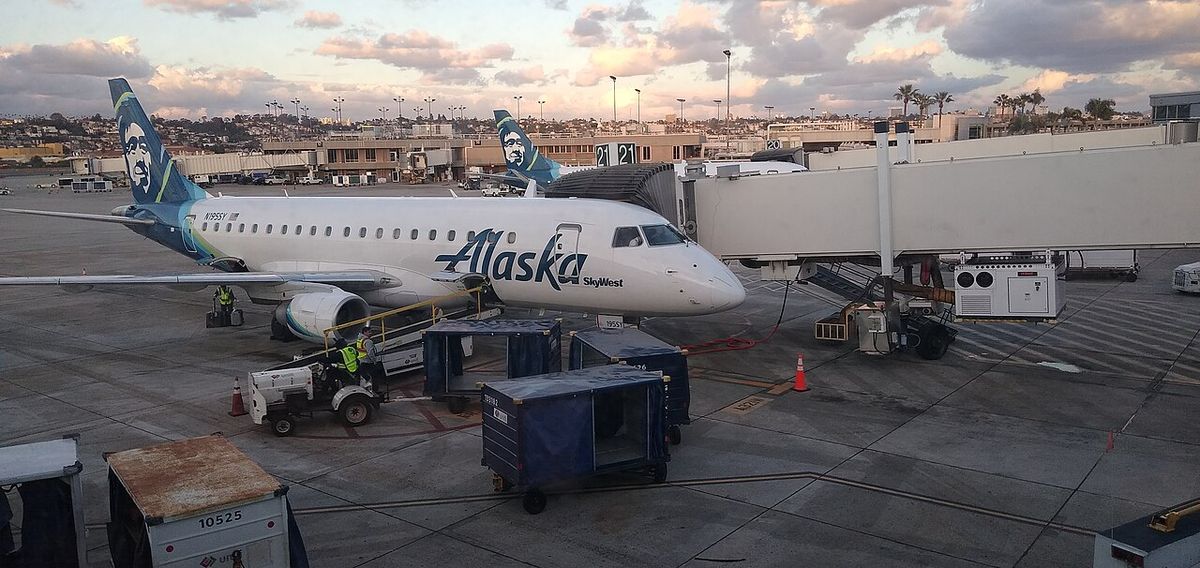
8. The major
Delta, United, American, Southwest, Alaska, JetBlue and the cargo carriers hire experienced pilots — typically 2,000–4,000 hours with turbine PIC — and never Captains from outside. Two ways in: apply cold with a competitive logbook, or flow from a wholly-owned or partner regional under an agreement (Envoy, PSA and Piedmont to American; Endeavor to Delta; Horizon to Alaska; the Aviate carriers to United). Requirement guides: Delta, United, American, Southwest.
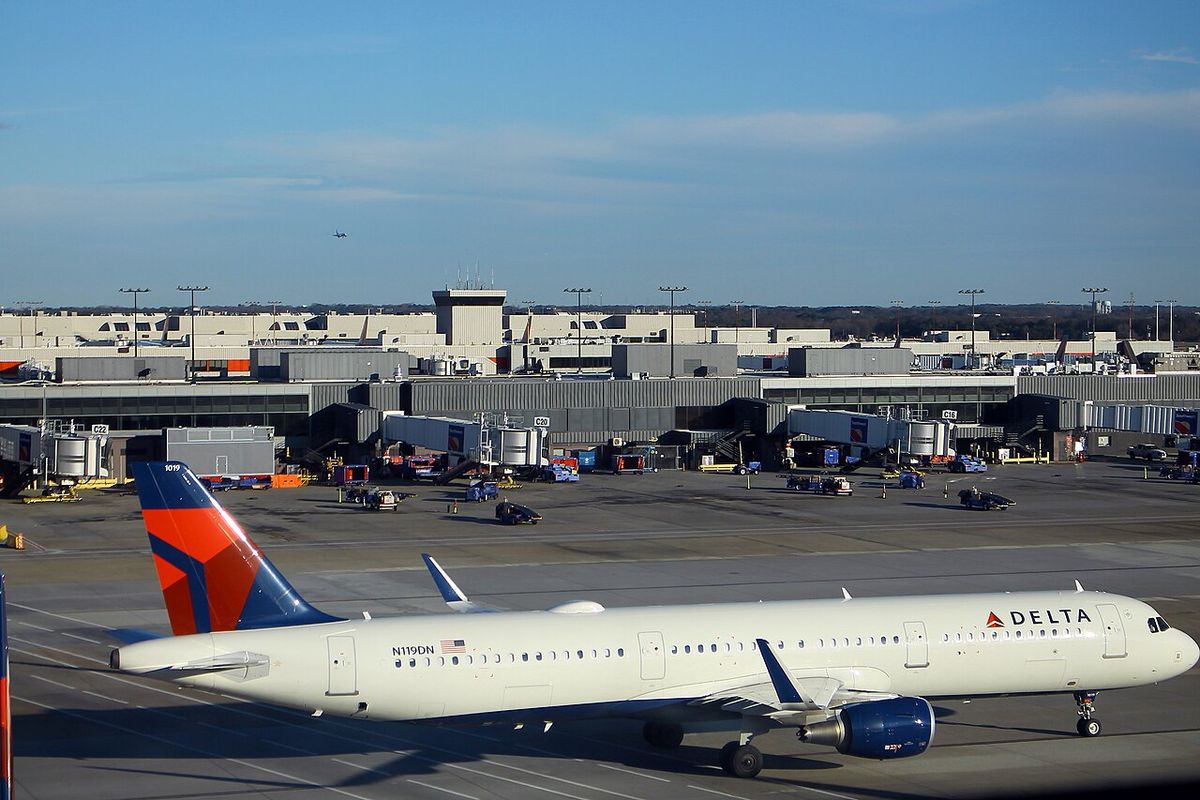
Pathway programmes
United Aviate, Delta Propel, American’s Cadet Academy, JetBlue Gateway and Southwest’s Destination 225° fix the sequence in advance — academy, partner carrier, major — sometimes with a conditional job offer at the start. None of them waives a single hour of the 1,500; what they buy is certainty and, sometimes, financing. Read the flow conditions (hours, time at the partner, performance) before you sign.
Money and time, honestly
| Stage | Typical cost (USD) | Typical time | Hours at the end |
|---|---|---|---|
| Private | 12,000–18,000 | 3–6 months | 60–75 |
| Instrument | 10,000–15,000 | 2–4 months | 120–150 |
| Commercial (+ multi) | 25,000–45,000 | 3–6 months | 250 |
| CFI / CFII | 8,000–15,000 | 1–2 months | 270 |
| Instructing to ATP minima | paid | 12–24 months | 1,500 (or R-ATP) |
| ATP-CTP + ATP | 0–6,000 | 1–2 weeks | — |
| Regional to major | paid | 2–5 years | 3,000–5,000 |
Academy packages (ATP Flight School and similar) quote USD 90,000–110,000 for zero-to-CFI in about seven to nine months; a local Part 61 school over two years is often 20–30% cheaper but slower. Financing is usually private loans; the GI Bill covers much of it for veterans at Part 141 schools. You need US citizenship or unrestricted work authorisation before any of this leads to an airline job — no US airline sponsors a pilot visa.
Common questions
How long does it take to become an airline pilot in the USA? About two years from zero to a regional airline if you train full-time and instruct at 60–80 hours a month: roughly a year to commercial and CFI, then a year to 1,500 hours. Part-time training and slower time-building stretch it to three or four years. A major typically follows two to five years at a regional.
How much does it cost to become an airline pilot in the USA? Roughly USD 80,000–120,000 from zero to flight instructor at 2026 prices, whether as an academy package or spread over a local school. Time-building as a CFI is paid, and the regional pays for the type rating and ATP checkride.
Do I need a college degree to be an airline pilot? No US airline on our board requires one for First Officers; FedEx and UPS do, and the passenger majors prefer it. An aviation degree from an authorised school does lower the ATP minimum to 1,000 or 1,250 hours under the R-ATP.
Can a foreigner become an airline pilot in the USA? Only with unrestricted US work authorisation (citizenship or a green card). Foreign students train in the US on an M-1 or F-1 visa with TSA approval, but no US airline sponsors a pilot visa, so the career part requires the right to work first.
What is the fastest way to a US major? A pathway programme that flows you from a regional or a Part 135 partner: United Aviate transitions after 1,200 h PIC at a Part 135 partner or 1,600 h PIC at a United Express carrier; Envoy, Piedmont and PSA flow to American; Endeavor to Delta; Horizon to Alaska.
Prepare for the assessment, not just the application
Getting the interview is the easy half. v1prep has 16,000+ technical questions with every answer cited to its source — A320, B737, EASA ATPL theory and the FAA writtens.
Start practising free →