Airframe, Dimensions and Weights
Walk round a 737-8 after years on the 737-800 and the fuselage length and exit layout are the same. The visible differences sit at the engines, the wingtips, the nose gear and the tail. The FSB grades the airframe items Level A (notice it, understand why, move on); the engines themselves are a Level B item (module 3). The numbers need more care, because weights and limits vary by model and by the options your operator bought.
- What you see on the walkaround
- Dimensions by model
- Doors, exits and seating
- Weights
- Altitude, speeds and other limits
- Key differences
What you see on the walkaround
| Item | 737-800 | 737-8 | FSB level |
|---|---|---|---|
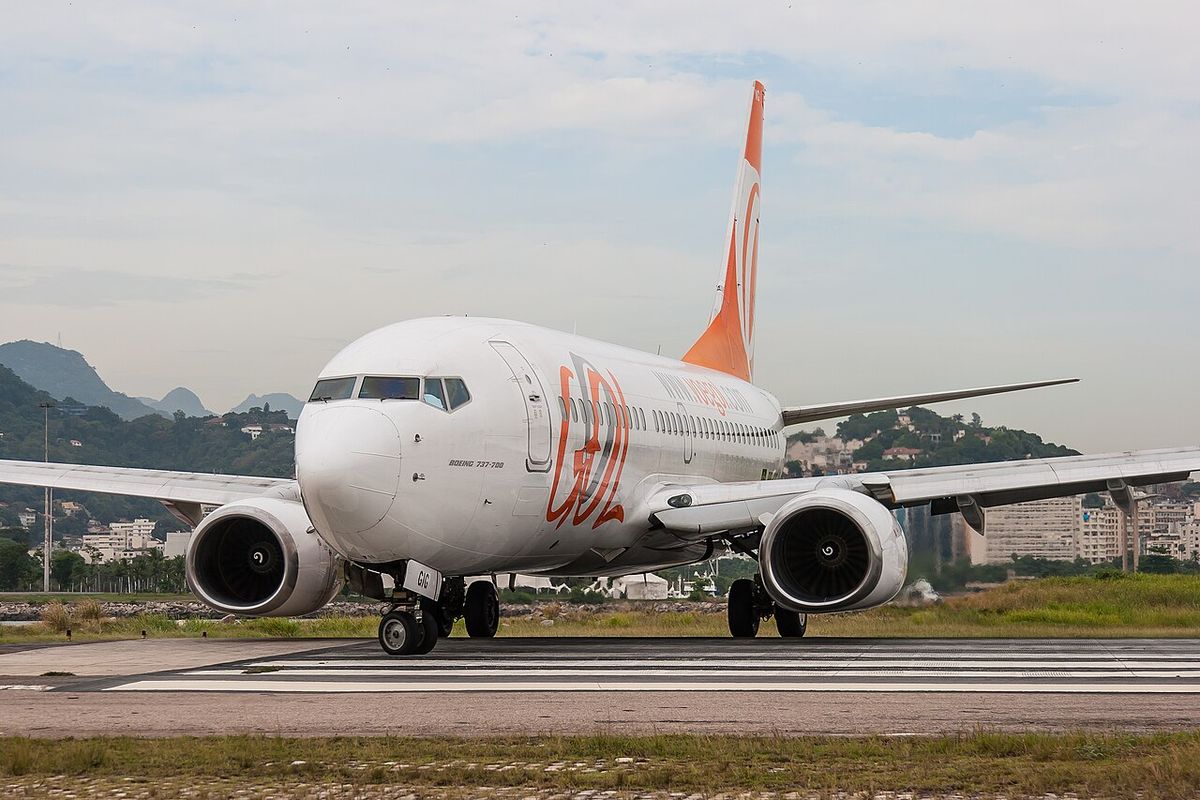
| Engines | CFM56-7B | CFM LEAP-1B, larger and mounted higher and farther forward | B/B (module 3) |
| Wingtips | With or without winglets | Advanced Technology winglet | A/A when mixing aircraft with and without winglets |
| Nose landing gear | Baseline | Lengthened by 8 in | A/A |
| Tail lights | Single tail anti-collision and position light | Dual tail anti-collision and position lights | A/A |
| Tailskid | Tail skid with a crushable cartridge (NG FCOM) | Two-position tailskid optional on the -8, standard on the -9, removed on the -7 | A/A, walkaround check changes |
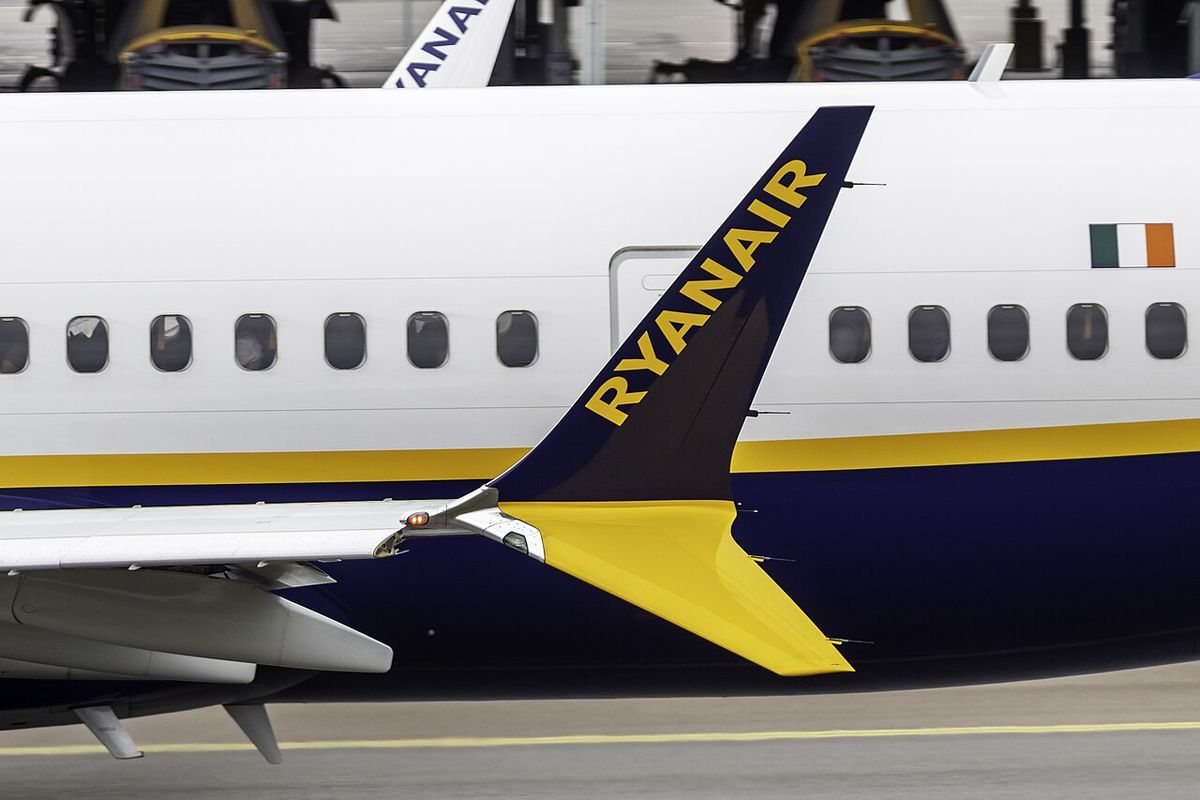
EASA's return to service report explains the chain of changes. The LEAP-1B is a larger engine, so the nose gear was lengthened to give it ground clearance, and the new Advanced Technology winglet came in the same package. The FAA adds that, because of their size, the LEAP-1B engines sit further forward and higher than the NG's CFM56-7B, and that position is also the origin of the handling change behind MCAS (module 5).
Winglets
The FSB groups blended, split scimitar and Advanced Technology winglets in one item. Operators flying 737s with and without winglets together must train the differences at Level A/A, covering:
- the size and shape changes, stressing how much clearance the lower strake has on the ground;
- the crosswind guidance for takeoff and for landing;
- the angles at which the aircraft touches the ground in a normal landing.
For the aerodynamics, see induced drag and wingtip vortices.
Tailskid and tail lights
On a 737-8 with the optional two-position tailskid, the walkaround gains an item (A/A, procedure change); on the -9 the tailskid is standard, and on the -7 it is deleted along with its exterior check. At the tail, look for two anti-collision and position lights where the NG has one.
Unlock the rest of this module
Difference Training is part of PRO, with every question bank on v1prep. Or unlock the Boeing 737 NG to 737 MAX course and its quiz alone for €11.99, 12 months, no subscription, full refund within 14 days. Either way, Pilot CV Pro is included while it runs.
Continue in v1prep → See PRO plansAll modules
- The MAX Family and Your Type RatingThe 737 MAX models, why they share the B-737 type rating with the NG, the FAA differences levels A to E and what they require from NG to MAX, where the Appendix 7 special training fits, and the facts of the 2019 to 2020 grounding.MODULE 1 · 7 MIN READ
- Airframe, Dimensions and WeightsWhat changes on the outside of the MAX and on paper: engines, winglets, nose gear, tailskid and tail lights, dimensions, exits and seating by model, certified weights, and the altitude, speed and other limits in the type certificate.MODULE 2 · 7 MIN READ
- EnginesThe CFM LEAP-1B that replaces the NG's CFM56-7B: engine models in the type certificate, why the installation matters, the EEC, indication, alert and thrust reverser changes the FSB lists, thrust setting, starting and limitations.MODULE 3 · 6 MIN READ
- Flight Deck and DisplaysThe MAX Display System's four large screens against the NG's six display units, display formats and switching, the engine display control panel, EFIS panel, PFD and standby instruments, the two-position landing gear lever, and the FMC and CDU changes.MODULE 4 · 6 MIN READ
- Flight Controls, MCAS and Stabiliser TrimThe fly-by-wire spoilers and their new functions, how MCAS works after the 2020 return-to-service update, and the changes to speed trim, stabiliser trim, STAB OUT OF TRIM and AOA DISAGREE, with the FSB level for each.MODULE 5 · 7 MIN READ
- Systems by ATA ChapterThe remaining design differences in the FSB table from the 737-800 to the 737-8, grouped by ATA chapter with their training and checking levels, then the flight deck and procedure differences between the 737-8 and the 737-7, 737-9 and 737-8200.MODULE 6 · 6 MIN READ
- Procedures and Special TrainingWhat changes in normal and non-normal procedures on the 737 MAX, the special ground and simulator training of FSB Appendix 7, and the additional requirements EASA set for the return to service.MODULE 7 · 7 MIN READ
- Quick ReferenceOne side-by-side table of the main differences between the 737-800 and the 737-8 with their FSB training and checking levels, then a revision list of the facts and figures to know.MODULE 8 · 5 MIN READ
Sources
- FAA Flight Standardization Board Report, Boeing 737, Revision 17 (November 2020)
- FAA Flight Standardization Board Report, Boeing 737, Revision 21 (draft)
- Summary of the FAA's Review of the Boeing 737 MAX (November 2020)
- EASA Boeing 737 MAX Return to Service Report (January 2021)
- EASA Type Certificate Data Sheet IM.A.120, Boeing 737 (Issue 29, December 2025)
Difference Training on v1prep is for study, interview and exam preparation. It does not replace your operator's approved differences training, your AFM, FCOM and QRH, or the regulators' documents, which always govern.