Engines
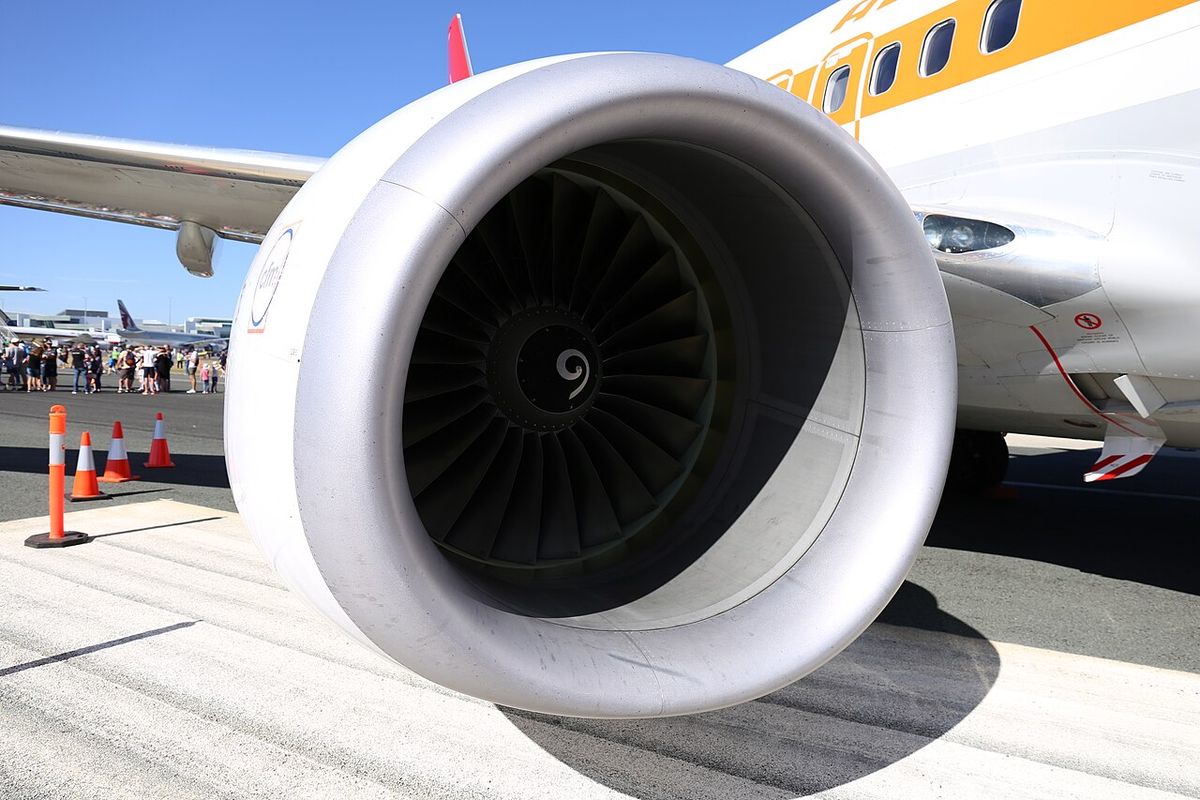
The MAX was built around a new engine. EASA's return to service report records that Boeing launched the family in August 2011 around the larger, more fuel-efficient CFM LEAP-1B, and that EASA classed the new powerplant installation as a significant change at product level. For the crew, the FSB grades the new engine Level B and marks it as a procedure change, and it lists several new alerts, indications and EEC functions.
- From CFM56-7B to LEAP-1B
- Why the installation matters
- What the FSB lists for the powerplant
- Setting thrust
- Starting
- Limitations
- Key differences
From CFM56-7B to LEAP-1B
| EASA TCDS | 737 NG | 737 MAX |
|---|---|---|
| Engines | Two CFM56-7B series turbofans: -7B, -7B/2, -7B/3 or -7BE | Two CFM LEAP-1B series turbofans |
| Models approved | 737-800: 24 designations within the -7B24, -7B26 and -7B27 ratings | LEAP-1B25 (737-8, -8200); -1B27, -1B28 and -1B28B1 (737-8, -9, -8200); -1B28BBJ1 (737-8, -9) |
| Thrust figures | EASA engine TCDS E.004 | EASA engine TCDS E.115 |
| Usable oil | 10.3 L | 19.25 L |
| Engine limitations | AFM | AFM |
The airframe TCDS does not print thrust in pounds or kilonewtons; it lists the approved engine models and refers to the engine TCDSs, which are not among this course's sources. The model-by-aircraft columns in the MAX table above are those of the TCDS engine configuration table: the -1B25 is not listed for the 737-9, and the -1B28BBJ1 is not listed for the 737-8200. Within the NG family, the /2 engines have double annular combustors, the /3 "Tech Insertion" and -7BE engines single annular combustors, and all give the same thrust as the basic -7B at each rating.
Unlock the rest of this module
Difference Training is part of PRO, with every question bank on v1prep. Or unlock the Boeing 737 NG to 737 MAX course and its quiz alone for €11.99, 12 months, no subscription, full refund within 14 days. Either way, Pilot CV Pro is included while it runs.
Continue in v1prep → See PRO plansAll modules
- The MAX Family and Your Type RatingThe 737 MAX models, why they share the B-737 type rating with the NG, the FAA differences levels A to E and what they require from NG to MAX, where the Appendix 7 special training fits, and the facts of the 2019 to 2020 grounding.MODULE 1 · 7 MIN READ
- Airframe, Dimensions and WeightsWhat changes on the outside of the MAX and on paper: engines, winglets, nose gear, tailskid and tail lights, dimensions, exits and seating by model, certified weights, and the altitude, speed and other limits in the type certificate.MODULE 2 · 7 MIN READ
- EnginesThe CFM LEAP-1B that replaces the NG's CFM56-7B: engine models in the type certificate, why the installation matters, the EEC, indication, alert and thrust reverser changes the FSB lists, thrust setting, starting and limitations.MODULE 3 · 6 MIN READ
- Flight Deck and DisplaysThe MAX Display System's four large screens against the NG's six display units, display formats and switching, the engine display control panel, EFIS panel, PFD and standby instruments, the two-position landing gear lever, and the FMC and CDU changes.MODULE 4 · 6 MIN READ
- Flight Controls, MCAS and Stabiliser TrimThe fly-by-wire spoilers and their new functions, how MCAS works after the 2020 return-to-service update, and the changes to speed trim, stabiliser trim, STAB OUT OF TRIM and AOA DISAGREE, with the FSB level for each.MODULE 5 · 7 MIN READ
- Systems by ATA ChapterThe remaining design differences in the FSB table from the 737-800 to the 737-8, grouped by ATA chapter with their training and checking levels, then the flight deck and procedure differences between the 737-8 and the 737-7, 737-9 and 737-8200.MODULE 6 · 6 MIN READ
- Procedures and Special TrainingWhat changes in normal and non-normal procedures on the 737 MAX, the special ground and simulator training of FSB Appendix 7, and the additional requirements EASA set for the return to service.MODULE 7 · 7 MIN READ
- Quick ReferenceOne side-by-side table of the main differences between the 737-800 and the 737-8 with their FSB training and checking levels, then a revision list of the facts and figures to know.MODULE 8 · 5 MIN READ
Sources
- FAA Flight Standardization Board Report, Boeing 737, Revision 17 (November 2020)
- FAA Flight Standardization Board Report, Boeing 737, Revision 21 (draft)
- Summary of the FAA's Review of the Boeing 737 MAX (November 2020)
- EASA Boeing 737 MAX Return to Service Report (January 2021)
- EASA Type Certificate Data Sheet IM.A.120, Boeing 737 (Issue 29, December 2025)
Difference Training on v1prep is for study, interview and exam preparation. It does not replace your operator's approved differences training, your AFM, FCOM and QRH, or the regulators' documents, which always govern.