A321neo ACF and XLR
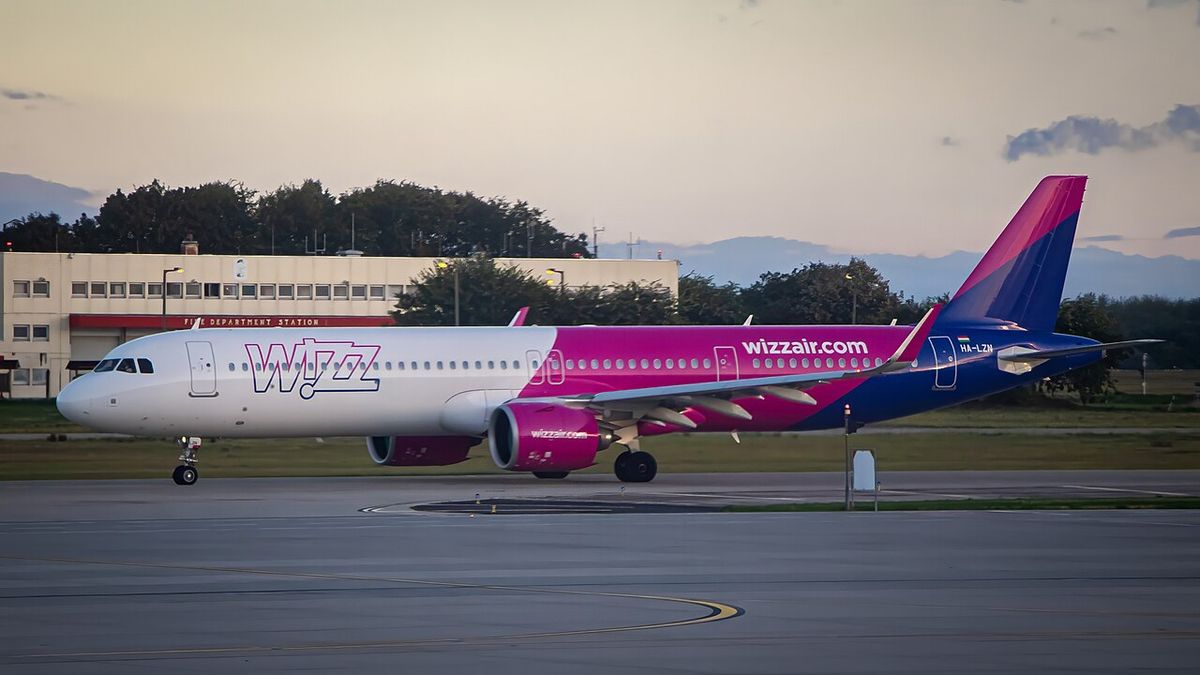
For a pilot the A321neo comes in three forms. The plain A321neo (A321-251N, -252N, -253N, -271N and -272N) keeps the classic A321 door layout. The A321neo ACF, for Airbus Cabin Flex, is identified here with the NX series (A321-251NX, -252NX, -253NX, -271NX and -272NX, EASA-certified in March 2018, same engines as the N counterparts): no source defines it in one line, but Annex II names modification 160766 the "ACF A321 NEO" and the TCDS applies that modification to exactly those five models. The A321neo XLR, for extra long range, is the NY series: the A321-253NY with LEAP-1A33X or LEAP-1A33B2X engines (certified July 2024) and the A321-271NY with PW1133GR-JM or PW1133GAR-JM engines (February 2025). EASA built the XLR on the certification basis of the A321-253NX.
- The A321neo ACF
- The A321neo XLR
- Key differences
The A321neo ACF
EASA's explanatory note lists what the ACF changed: fuselage and local wing structure, a new exit arrangement (new overwing exits and slides, door 3 moved, new cabin interior), a reinforced main landing gear and changes to its system, cargo fire protection, the high-lift system, the flight warning system and the displays.
Exits and seating
The classic A321 has four pairs of floor-level Type C doors, written C-C-C-C in the TCDS. In the ACF notation the second position becomes overwing exits (two or one a side), and Annex II records new overwing exits and slides and a relocated door 3:
| Exit arrangement (TCDS) | Maximum seats | Minimum cabin crew |
|---|---|---|
| C-C-C-C, classic A321 | 220 | 5 |
| C*-C-C-C*, classic with enhanced doors 1 and 4 | 230 | 5 |
| C*-(III-III)+-C-C*, ACF with two overwing exits a side | 244 | 5 |
| C*-(0-III)+-C-C*, one overwing exit a side | 224 | 5 |
| C*-(III-III)+-0-C*, door 3 plugged | 200 | 4 |
| C*-(0-III)+-0-C*, one overwing exit, door 3 plugged | 169 | 4 |
Versions with a narrow slide (MOD 162227) have lower figures. Each maximum is a certified envelope, not permission to fit that many seats: every cabin layout needs its own approval.
The exits behind these numbers were certified as better than their basic type:
- Doors 1 and 4: a 32 x 73 in opening and a slide more than 80 in wide, credited with up to 65 passengers per pair instead of 55.
- Overwing exits: a 20 x 41 in opening, a power-assisted door that opens well inside the 10 seconds allowed, immediate slide activation and a two-lane escape route; credit capped at 39 passengers for one exit a side and 73 for two.
- Door 3: can be derated to 45 or 35 passengers.
Fuel, weights and speeds
The ACF can carry up to three additional centre tanks (MOD 163213), two aft and one forward, each 3,121 L. Usable fuel grows from 23,580 L with three tanks to 32,943 L with all three ACTs, managed by an auxiliary fuel management system, with changes to the fuel overhead panel and the SD FUEL page.
| A321neo | A321neo ACF | |
|---|---|---|
| MTOW (maximum certified) | 93,500 kg | 97,000 kg |
| MLW / MZFW | 79,200 / 75,600 kg | Same |
| Bulk cargo | 1,497 kg | 800 kg |
| VFE CONF 1 | 238 kt | 243 kt |
FSB levels, A320 family to A321neo ACF
| Item | Content | Training / checking |
|---|---|---|
| General, cabin, cargo, limitations | Cabin flexibility, seating and layouts, bulk cargo capacity, weights | A / A |
| ATA 26 Fire protection | Extinguishing architecture, cargo smoke panel | A / B |
| ATA 28 Fuel | ACTs, fuel management, overhead panel, SD FUEL page | B / A |
| ATA 52 Doors | Door activation and deactivation, SD DOOR page | A / A |
The Master Differences Requirements table sets Level B training and Level B checking to the ACF and the XLR from any other family member, including another A321. Elsewhere the same draft says no differences checking is required between the A318, A319, A320 and A321; follow your operator's approved programme.
Unlock the rest of this module
Difference Training is part of PRO, with every question bank on v1prep. Or unlock the Airbus A320 family: ceo to neo, and A319 / A320 / A321 course and its quiz alone for €11.99, 12 months, no subscription, full refund within 14 days. Either way, Pilot CV Pro is included while it runs.
Continue in v1prep → See PRO plansAll modules
- The A320 Family and Your Type RatingThe A318, A319, A320 and A321 in their ceo and neo versions, how to read a model number such as A320-214 or A321-251NX, the single type rating, the FAA and EASA differences levels A to E and the levels set between the variants.MODULE 1 · 8 MIN READ
- A319, A320 and A321 ComparedThe three main variants side by side from the EASA type certificate data sheet and the FAA and EASA differences tables: dimensions, exits and seating, weights, fuel, flaps, speed limits, altitude and the handling and systems items a pilot must know.MODULE 2 · 8 MIN READ
- Engines, ceo and neoThe six engine families on the A320-family type certificate, which engine each model carries, what the engine suffixes and optional ratings mean, what the FAA and EASA require in training when the engine changes, and the engine limitations that do not carry across.MODULE 3 · 8 MIN READ
- The neo Airframe and SystemsWhat the type certificate and its annexes record as changed in the neo airframe and systems, chapter by chapter, and what each change means for a ceo pilot.MODULE 4 · 8 MIN READ
- Flight Deck and ProceduresWhat a ceo pilot sees and does differently on the neo, from engine indications and start to flap settings, go-around, abnormal procedures and limitations, and which ceo figures not to carry across.MODULE 5 · 6 MIN READ
- A321neo ACF and XLRThe A321neo Airbus Cabin Flex with its new exit and tank options, and the A321neo XLR with its rear centre tank, electrical rudder and revised flight control laws, with the FSB training levels.MODULE 6 · 8 MIN READ
- Quick ReferenceSide-by-side tables of the A319, A320 and A321 ceo, of ceo against neo and of the A321neo, ACF and XLR, then a revision list of the differences that matter most.MODULE 7 · 6 MIN READ
Sources
- FAA Flight Standardization Board Report, Airbus A318, A319, A320, A321, Revision 7 (draft)
- EASA Type Certificate Data Sheet EASA.A.064, Airbus A318, A319, A320, A321
- EASA TCDS EASA.A.064 Explanatory Note, Annex I (special conditions and equivalent safety findings)
- EASA TCDS EASA.A.064 Explanatory Note, Annex II (areas affected by significant changes: neo, Sharklet, ACF, XLR)
- EASA, Transition from OEB Reports to OSD: Airbus A320 Family (with the 2003 JAA JOEB report)
Difference Training on v1prep is for study, interview and exam preparation. It does not replace your operator's approved differences training, your AFM, FCOM and QRH, or the regulators' documents, which always govern.