A319, A320 and A321 Compared
The A319, A320 and A321 share a wing, a cockpit and a systems philosophy, but the fuselage length changes the weights, exits, parts of the fuel system, flap settings and speed limits. None of it needs simulator training: in the FSB's variant tables every item is marked "No" for flight characteristics, and the highest level is B. Unless stated, the figures here are from EASA TCDS A.064, Issue 62. They are the certified maxima; your aircraft's AFM weight variant, cabin layout and options decide what applies to it.
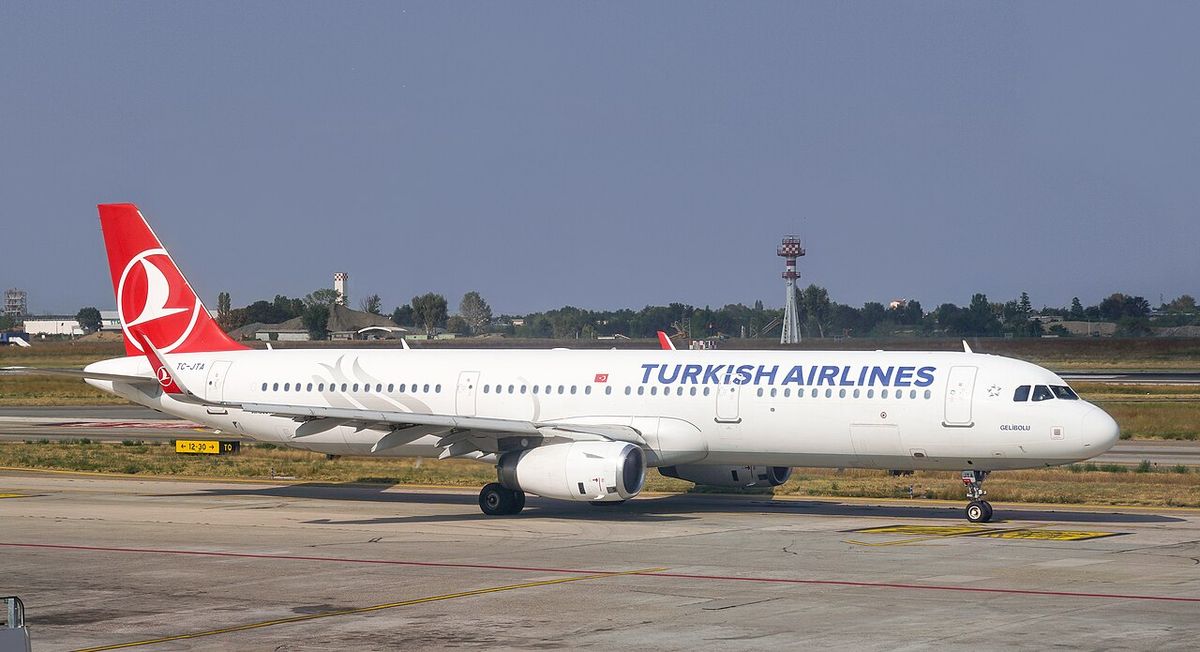
- Dimensions and ground handling
- Doors, exits and seating
- Weights
- Fuel
- Flaps and speed limits
- Handling and systems: what the regulators list
- Key differences
Dimensions and ground handling
| A318 | A319 | A320 | A321 | |
|---|---|---|---|---|
| Length | 31.45 m | 33.84 m | 37.57 m | 44.51 m |
| Height | 12.79 m | 11.76 m | 11.76 m | 11.76 m |
| Span without Sharklets | 34.10 m | 34.10 m | 34.10 m | 34.10 m |
| Span with Sharklets | Not listed | 35.80 m | 35.80 m | 35.80 m |
| Nose gear to main gear | 11.04 m | 11.04 m | 12.64 m | 16.91 m |
| Main gear track | 7.59 m | 7.59 m | 7.59 m | 7.59 m |
Fuselage diameter (3.95 m), horizontal stabiliser span (12.45 m) and the distance between the engine axes (11.51 m) are common. On the ceo, Sharklets are a modification that the TCDS allows only on some models, so ceo fleets are mixed; the FCOM-based question bank gives 35.80 m for every A320neo. Module 4 has the detail.
The 2003 Airbus ODR tables note the A319's shorter and the A321's longer nose-to-main-gear distance, with an identical taxi technique. The FCOM puts the runway width needed for a 180° turn on a dry runway, using the recommended technique and without margin, at about 24 m for the A320 and 30 m for the A321.
Unlock the rest of this module
Difference Training is part of PRO, with every question bank on v1prep. Or unlock the Airbus A320 family: ceo to neo, and A319 / A320 / A321 course and its quiz alone for €11.99, 12 months, no subscription, full refund within 14 days. Either way, Pilot CV Pro is included while it runs.
Continue in v1prep → See PRO plansAll modules
- The A320 Family and Your Type RatingThe A318, A319, A320 and A321 in their ceo and neo versions, how to read a model number such as A320-214 or A321-251NX, the single type rating, the FAA and EASA differences levels A to E and the levels set between the variants.MODULE 1 · 8 MIN READ
- A319, A320 and A321 ComparedThe three main variants side by side from the EASA type certificate data sheet and the FAA and EASA differences tables: dimensions, exits and seating, weights, fuel, flaps, speed limits, altitude and the handling and systems items a pilot must know.MODULE 2 · 8 MIN READ
- Engines, ceo and neoThe six engine families on the A320-family type certificate, which engine each model carries, what the engine suffixes and optional ratings mean, what the FAA and EASA require in training when the engine changes, and the engine limitations that do not carry across.MODULE 3 · 8 MIN READ
- The neo Airframe and SystemsWhat the type certificate and its annexes record as changed in the neo airframe and systems, chapter by chapter, and what each change means for a ceo pilot.MODULE 4 · 8 MIN READ
- Flight Deck and ProceduresWhat a ceo pilot sees and does differently on the neo, from engine indications and start to flap settings, go-around, abnormal procedures and limitations, and which ceo figures not to carry across.MODULE 5 · 6 MIN READ
- A321neo ACF and XLRThe A321neo Airbus Cabin Flex with its new exit and tank options, and the A321neo XLR with its rear centre tank, electrical rudder and revised flight control laws, with the FSB training levels.MODULE 6 · 8 MIN READ
- Quick ReferenceSide-by-side tables of the A319, A320 and A321 ceo, of ceo against neo and of the A321neo, ACF and XLR, then a revision list of the differences that matter most.MODULE 7 · 6 MIN READ
Sources
- FAA Flight Standardization Board Report, Airbus A318, A319, A320, A321, Revision 7 (draft)
- EASA Type Certificate Data Sheet EASA.A.064, Airbus A318, A319, A320, A321
- EASA TCDS EASA.A.064 Explanatory Note, Annex I (special conditions and equivalent safety findings)
- EASA TCDS EASA.A.064 Explanatory Note, Annex II (areas affected by significant changes: neo, Sharklet, ACF, XLR)
- EASA, Transition from OEB Reports to OSD: Airbus A320 Family (with the 2003 JAA JOEB report)
Difference Training on v1prep is for study, interview and exam preparation. It does not replace your operator's approved differences training, your AFM, FCOM and QRH, or the regulators' documents, which always govern.