Student, Private and Recreational Pilot Licences
A student pilot is a person under flight training who may fly solo only with an instructor's authorisation. The first licences, the EASA LAPL and PPL and the FAA sport, recreational and private pilot certificates, let the holder fly light aircraft as pilot in command without pay, within set limits.
Every pilot starts as a student pilot: a person under training who flies with an instructor and, once authorised, alone. The first licence then turns that training into a lasting privilege to fly an aeroplane as pilot in command, for pleasure and without pay. Europe and the United States reach that point by different routes. Under EASA's Part-FCL the student works towards the light aircraft pilot licence (LAPL) or the private pilot licence (PPL); the FAA issues a student pilot certificate and then a sport, recreational or private pilot certificate under 14 CFR Part 61.
The common baseline is ICAO Annex 1, Personnel Licensing, but ICAO issues no licences: States build their own on its Standards, and neither EASA nor the FAA has adopted it unchanged (see pilot licensing framework). The vocabulary differs as well. EASA issues licences to which ratings are added; the FAA issues certificates carrying category and class ratings. In both systems the licence itself does not lapse. What runs out are the medical certificate, the ratings and the recent experience, each on its own clock (see flight time logging and recent experience).
Student pilot status
Under Part-FCL a student pilot is a pilot in training who does not yet hold the licence being sought. Training takes place at an approved training organisation (ATO) or, for the LAPL and PPL, a declared training organisation (DTO), and it is the training organisation that recommends the student for the theoretical examinations. The rules for flying alone are short:
- The student must be at least 16 years old before the first solo flight in an aeroplane.
- A solo flight needs the authorisation of a flight instructor and is flown under the instructor's supervision.
- Before flying solo the student must hold the medical certificate required for the licence sought.
- On a solo cross-country flight the student carries evidence of the instructor's authorisation, besides the documents every pilot carries.
Solo flight time is flight time during which the student pilot is the sole occupant of the aircraft. It is counted separately from dual instruction, and the licence requirements specify how much of it the student needs.
Part-FCL also recognises the student pilot-in-command (SPIC): a student acting as pilot in command on a flight with an instructor on board, where the instructor only observes and does not influence or control the flight. SPIC gives the student the decisions of command while a qualified pilot remains in the aircraft. It should not be confused with pilot in command under supervision (PICUS), a licensed co-pilot performing the duties of the commander under the commander's supervision.
Exam tip: the Part-FCL ages form a ladder: 16 for the first solo in an aeroplane, 17 for the issue of the LAPL(A) and the PPL(A), 18 for the CPL(A) and 21 for the ATPL(A).
Student pilot certificate and solo endorsements
In the United States the student holds a student pilot certificate and a medical certificate. A third-class medical covers student and private privileges, but the FAA's Aeronautical Information Manual advises a student who plans a career in commercial aviation to see an Aviation Medical Examiner early and apply for the highest class of medical certificate the career will need, so that any disqualifying condition is found before money is spent on training.
The student certificate by itself does not allow solo flight. Each solo privilege rests on a logbook endorsement by an authorised instructor who has trained the student and judged the student ready: one for solo flight, one for solo cross-country flights and, where needed, one for Class B airspace. A student pilot may not act as pilot in command of an aircraft carrying a passenger (61.89). Unlike a private pilot, who need not carry a logbook, student, sport and recreational pilots must carry the instructor endorsements on which their flights depend.
The Class B solo endorsement is the most specific. Under 61.95 a student may fly solo in Class B airspace only after ground and flight training in that particular Class B area from an authorised instructor, and with a logbook endorsement from the instructor who gave the training, dated within the preceding 90 days. Taking off or landing at an airport inside the Class B area needs a further endorsement for that airport. A student training for a sport or recreational certificate meets the comparable requirements of 61.94.
Warning: no endorsement opens the busiest primary airports. Under 14 CFR 91.131(b)(2) nobody may take off or land at an airport listed in Section 4 of Part 91 Appendix D unless the pilot in command holds at least a private pilot certificate. The AIM lists twelve, among them Atlanta Hartsfield, Chicago O'Hare, Dallas/Fort Worth, Los Angeles, New York Kennedy and La Guardia, and San Francisco.
Light aircraft pilot licence
The light aircraft pilot licence (LAPL) is a European licence created by Part-FCL for leisure flying in light aircraft. It is not one of the licences defined in ICAO Annex 1, so other States need not recognise it, and it is best seen as a licence for flying within the EASA system. The LAPL(A) may be issued from the age of 17. Its privileges (FCL.105.A) are confined to non-commercial flights as pilot in command of single-engine piston aeroplanes, land or sea, and touring motor gliders with a maximum certificated take-off mass of 2,000 kg or less, carrying at most 3 passengers so that there are never more than 4 people on board.
The attraction of the LAPL is a lighter medical standard. The LAPL medical certificate is valid for 60 months until the holder reaches 40, although one issued before 40 lapses at 42, and for 24 months after that. It may be issued by an aero-medical centre (AeMC), an aero-medical examiner (AME) or, where national law allows, the holder's general medical practitioner. An LAPL holder may add a night rating, provided the holder is colour safe.
Instead of a class rating with a fixed expiry date, the LAPL(A) is kept alive by recent experience (FCL.140.A): in the last 24 months the holder must have flown at least 12 hours as pilot in command, including 12 take-offs and landings, and a refresher training flight of at least 1 hour with an instructor. A holder who falls short makes up the missing flying under an instructor's supervision or passes a proficiency check with an examiner.
Private pilot licence
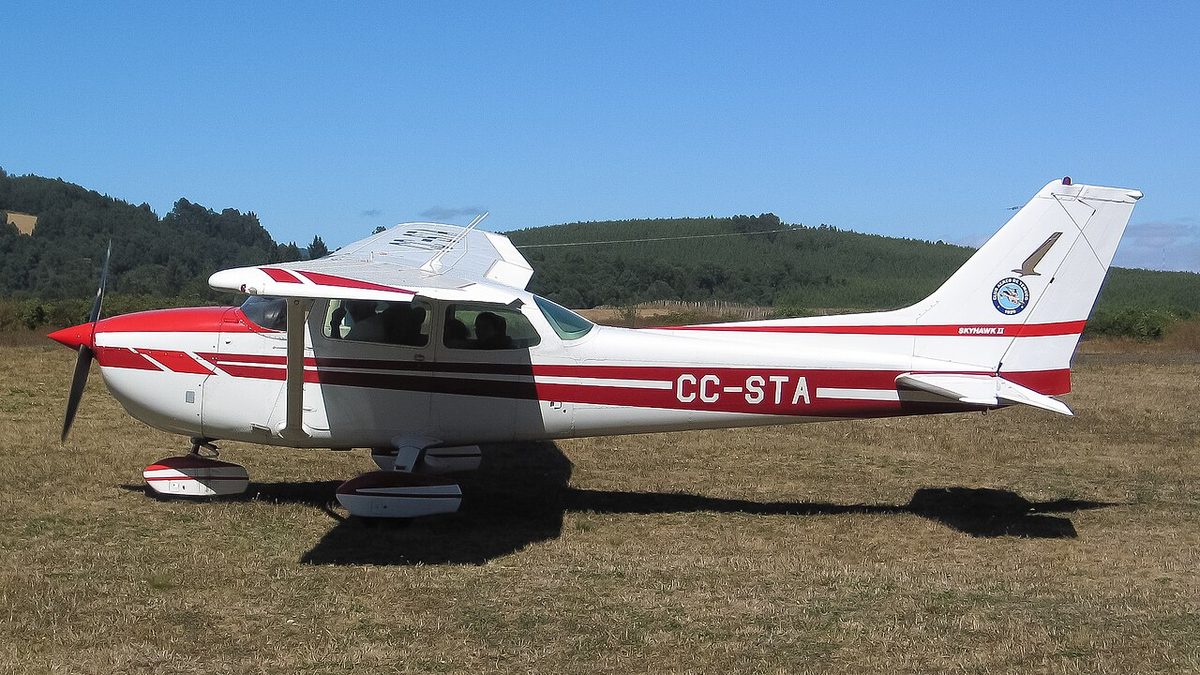
The private pilot licence (PPL) is the ICAO-standard licence for private flying. Under Article 33 of the Chicago Convention, other States recognise a licence issued or rendered valid by the State of Registry when it meets at least the ICAO minimum standards, so a PPL holder can fly abroad in aircraft registered in the issuing system (see the Chicago Convention and ICAO).
The EASA PPL(A) may be issued from the age of 17. The applicant completes a course at an ATO or DTO, passes the theoretical examinations with at least 75% in each paper, and passes a skill test with an examiner. The flight experience includes at least 10 hours of supervised solo flight time, of which at least 5 hours are solo cross-country, including one flight of at least 270 km (150 NM) with full-stop landings at two aerodromes other than the aerodrome of departure. The medical is the Class 2 certificate: valid for 60 months until age 40 (one issued before 40 lapses at 42), 24 months from 40 to 50 and 12 months over 50.
The privileges (FCL.205.A) are to act without remuneration as pilot in command or co-pilot in non-commercial operations. A cost-shared flight is allowed when the direct costs are shared by all the occupants, pilot included, and no more than six people share them (see commercial and private operations). The licence carries a single-engine piston class rating, valid for two years (see class and type ratings). Night VFR needs the night rating of FCL.810: at least 5 hours of flight at night, 3 of them dual including 1 hour of cross-country navigation with a dual cross-country of at least 50 km, plus 5 solo take-offs and 5 solo full-stop landings. The PPL is also the base for an instrument rating.
On every flight an EASA pilot carries the licence, a valid medical certificate and a photographic identity document. The licence also carries a language proficiency endorsement; at Operational Level 4 it is re-evaluated every 4 years.
The FAA private pilot certificate requires at least 40 hours of flight time under Part 61, or 35 in an approved Part 141 course, a knowledge test and a practical test. Under 61.113 a private pilot may not act as pilot in command for compensation or hire, or of an aircraft carrying passengers or property for compensation or hire, except in listed cases: a flight only incidental to the pilot's business carrying no passengers or property for hire, pro rata cost sharing limited to fuel, oil, airport expenditures and rental fees, and a few other narrowly defined cases. The medical is normally a third-class certificate, valid for private privileges for 60 calendar months if the pilot was under 40 at the examination and 24 if 40 or older. BasicMed under 14 CFR Part 68 is an alternative: a physician's examination every 48 months and an online course every 24 calendar months. Every 24 calendar months the pilot needs a flight review of at least 1 hour of ground and 1 hour of flight training.
FAA sport and recreational certificates
Below the private certificate the FAA offers two lighter certificates, each with less training and narrower privileges.
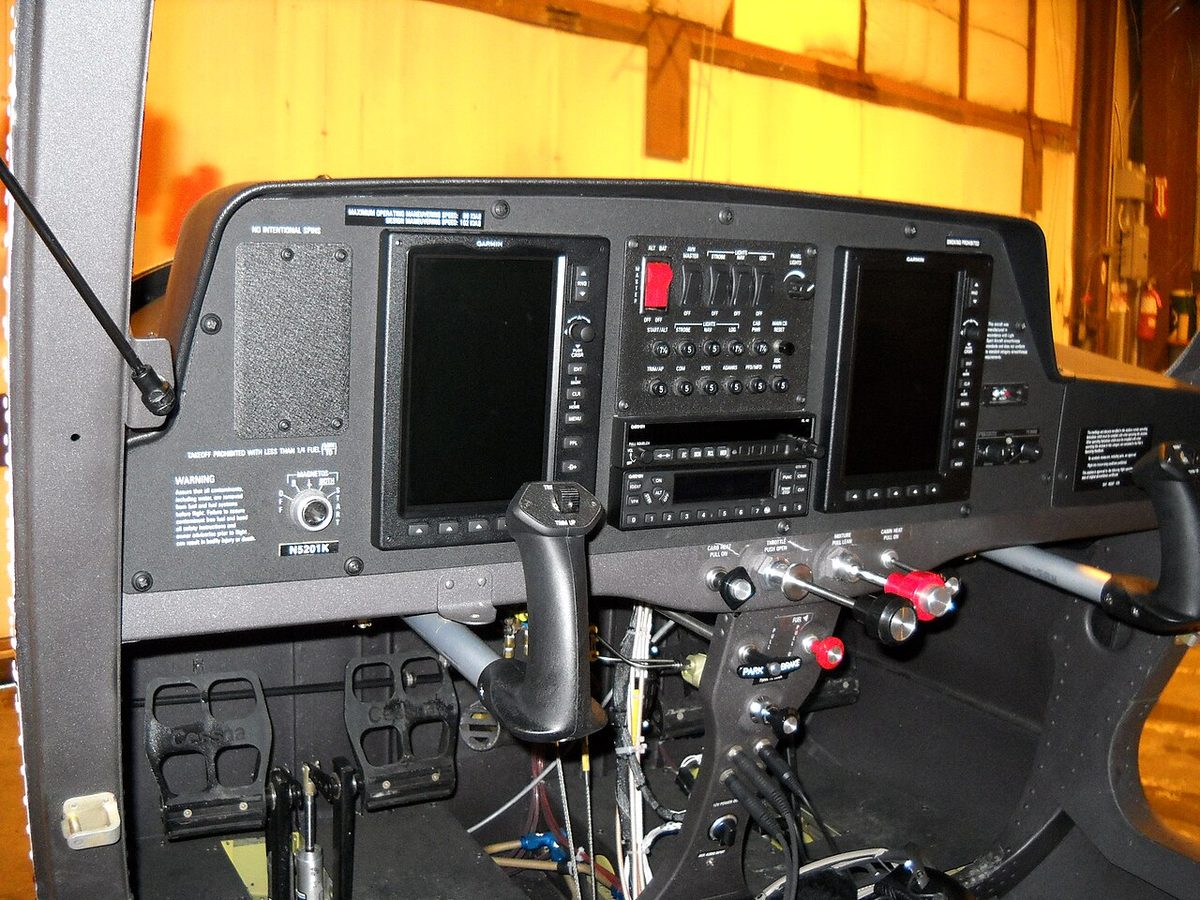
The recreational pilot certificate (61.101) allows flying within 50 NM of the departure airport, by day, in single-engine aircraft certificated for no more than four occupants, with no more than one passenger and never for compensation. The holder may go further from the departure airport, or enter airspace where ATC communication is required, only after additional training and endorsements; for Class B airspace 91.131 requires the training of 61.101(d).
The sport pilot certificate was created for light-sport aircraft. Its main feature is medical: for daytime flying a sport pilot may use a current and valid US driver's licence as evidence of medical fitness instead of an FAA medical certificate (61.23(c)). Privileges beyond the basic ones, such as flight in Class B, C or D airspace (61.325), are added by instructor endorsements, which the pilot must carry. The FAA rewrote the sport pilot and light-sport aircraft rules in 2025 (the MOSAIC rule). It widened the range of aircraft a sport pilot may fly and, with additional training and instructor endorsements, opened privileges such as retractable landing gear, controllable-pitch propellers and night flight; night flight needs an FAA medical certificate or BasicMed, not a driver's licence. Aircraft limits quoted in older textbooks are therefore out of date, and the current text of 14 CFR Part 61, Subpart J, is the reference.
Comparing light aircraft licences
| EASA LAPL(A) | EASA PPL(A) | FAA private pilot | |
|---|---|---|---|
| International standing | European only, not an ICAO licence | ICAO Annex 1 licence | ICAO Annex 1 licence |
| Medical | LAPL medical: 60 months to age 40, then 24 | Class 2: 60, 24 or 12 months with age | Third class: 60 or 24 calendar months, or BasicMed |
| Pay | None, non-commercial only | None; cost sharing by up to six people | None; pro rata sharing of listed costs |
| Night flying | With a night rating | With a night rating | No separate night rating |
| Kept valid by | Recent experience and a refresher flight | SEP class rating, revalidated every 2 years | Flight review every 24 calendar months |
| To carry passengers | 3 take-offs, approaches and landings in 90 days | 3 take-offs, approaches and landings in 90 days | 3 take-offs and landings in 90 days |
The choice depends on what follows. A pilot who wants to fly abroad, add an instrument rating or train for a commercial licence needs the PPL, or its FAA equivalent, from the start. A pilot who will only ever fly a light single locally may find the LAPL or the sport pilot certificate enough, because the medical is easier. The passenger rules apply to all of them: nobody carries a passenger by day without three recent take-offs and landings, and at night the requirement tightens (see flight time logging and recent experience).
Note: a private pilot of either system who wants to fly for pay generally needs a commercial licence, and teaching for pay also needs an instructor certificate (see flight instructors and examiners).
Frequently asked questions
How old do you have to be to fly solo and to get a PPL?
Under EASA Part-FCL a student pilot must be at least 16 years old before the first solo flight in an aeroplane, and at least 17 for the issue of a PPL(A) or an LAPL(A). The CPL(A) follows at 18 and the ATPL(A) at 21. In the United States the student flies solo only once an authorised instructor has endorsed the logbook for that privilege.
What is the difference between the LAPL and the PPL?
The PPL(A) is the ICAO-standard private licence, recognised internationally and the base for a night rating, an instrument rating and commercial training. The LAPL(A) is a European licence for light single-engine piston aeroplanes and touring motor gliders, with limits on mass and occupants. It accepts a less demanding medical, valid for 60 months until age 40 and then 24 months, and is kept valid by recent experience rather than a class rating.
Can a private pilot share the costs of a flight?
Yes. Under EASA rules a cost-shared private flight is allowed when the direct costs are shared by all the occupants, pilot included, and no more than six people share them; otherwise the PPL holder must fly without remuneration. Under 14 CFR 61.113(c) an FAA private pilot may share only fuel, oil, airport expenditures or rental fees, and must pay at least a pro rata share.
What is a student pilot in command (SPIC)?
SPIC is a Part-FCL term for a student pilot acting as pilot in command on a flight with an instructor on board, where the instructor only observes and does not influence or control the flight. It differs from pilot in command under supervision (PICUS), which is a licensed co-pilot performing the duties of the pilot in command under the supervision of the commander.
What does a student pilot need to fly solo in Class B airspace?
Under 14 CFR 61.95 the student needs ground and flight training in that specific Class B area from an authorised instructor, and a logbook endorsement from the instructor who gave the training, dated within the preceding 90 days. Landing at an airport inside Class B needs a further airport-specific endorsement, and at the primary airports listed in Part 91 Appendix D, Section 4, the pilot in command must hold at least a private pilot certificate.
Test yourself on Student, Private and Recreational Pilot Licences
The v1prep banks cover this topic in Air Law (010), with a worked explanation for every answer. EASA ATPL, PPL, IR and CPL, the FAA written tests and A320/B737 type ratings.
Start practising →Sources and further reading
- EASA Easy Access Rules for Aircrew (Regulation (EU) No 1178/2011), Part-FCL Subparts A to C and FCL.810, and Part-MED
- ICAO Annex 1, Personnel Licensing
- 14 CFR Part 61, Certification, Pilots, Flight Instructors, and Ground Instructors
- 14 CFR 61.95, Operations in Class B airspace and at airports located within Class B airspace
- 14 CFR 91.131, Operations in Class B airspace
- 14 CFR 61.113, Private pilot privileges and limitations, pilot in command
- FAA Aeronautical Information Manual, Chapter 3, Section 2 (3-2-3, Class B airspace)
Library articles are written for study and exam preparation. They do not replace your aircraft's approved documentation, your operator's procedures or the regulations themselves.