Alcohol, Drugs and Medication
Alcohol, drugs and medication are psychoactive substances that can impair a pilot's judgement, coordination and tolerance of altitude. Aviation rules limit crew blood alcohol and the time between drinking and duty, and forbid flying while using any medicine that affects the faculties contrary to safety.
Alcohol is the most familiar hazard in this group, but it is not the only one. Prescribed medicines, over-the-counter remedies, sleeping aids and even caffeine all act on the brain, and several make a pilot more vulnerable to hypoxia and spatial disorientation. The AIM puts it bluntly: alcohol and flying are a potentially lethal combination.
Aviation law therefore goes further than road law. It limits both the blood alcohol level and the time between the last drink and duty, requires reports of alcohol offences on the ground, and forbids flying while using any medicine that affects the faculties contrary to safety. Behind the rules sits a support system, from US substance-abuse programmes to operators' peer support programmes, built on the idea that a pilot who asks for help early should be able to return to flying.
Alcohol and performance
Alcohol is a non-selective depressant of the central nervous system. The AIM notes that as little as one ounce of liquor, one bottle of beer or four ounces of wine can impair flying skills, and that the alcohol in such drinks remains detectable in breath and blood for at least 3 hours. It impairs attention, judgement and coordination.
Alcohol also acts in ways peculiar to flying:
- Hypoxia. Alcohol interferes with the cells' use of oxygen, a histotoxic hypoxia added to any altitude hypoxia, and the AIM warns that it makes a pilot much more susceptible to hypoxia.
- Disorientation. Alcohol entering the fluid of the inner ear changes its specific gravity and leaves it more slowly than it leaves the blood. ATPL texts warn that small head movements can cause disorientation for days after drinking, long after blood alcohol has returned to zero.
- Sleep. Alcohol induces sleep but greatly reduces REM sleep and causes early waking, so the "nightcap" leaves a crew member less rested. See sleep and circadian rhythms.
- Hangover. Dehydration, disturbed sleep and headache impair performance and hypoxia tolerance well after the alcohol has gone. Being legal and being fit are not the same thing.
Alcohol units and elimination
Alcohol is not digested. ATPL texts state that about 20 % is absorbed from the stomach and 80 % from the intestines, and that the liver eliminates it by breaking it down to water and carbon dioxide. They define a unit as roughly half a pint of ordinary beer, a glass of wine or a single measure of spirits.
The elimination rate is roughly constant, and ATPL texts put it at about one unit per hour, or about 15 mg per 100 ml of blood per hour. Nothing speeds it up. Coffee, oxygen, exercise, cold showers, steam baths and sleep may make a person feel more alert, but coffee only produces an alert drunk. As an illustration at that textbook rate, someone who goes to bed at 100 mg per 100 ml needs more than 5 hours to fall to the EASA limit of 20 mg per 100 ml and nearly 7 hours to reach zero; individual rates vary. The 8-hour minimum is therefore a floor for small amounts. UK guidance quoted in ATPL texts is not to fly for 8 hours after small amounts and that it is prudent to abstain for 24 hours; the AIM recommends at least 12 to 24 hours "between bottle and throttle", depending on the amount drunk.
Blood alcohol limits
ICAO Annex 2 forbids flying while under the influence of alcohol or drugs to a degree that impairs capacity to act, but sets no numerical limit. Europe and the United States do, as a maximum blood alcohol concentration (BAC), which the FAA also accepts from a breath specimen.
| EASA (crew of commercial air transport operators) | FAA (14 CFR 91.17, any crewmember) | |
|---|---|---|
| Time since last drink | At least 8 hours before reporting for a flight duty period or standby | At least 8 hours before acting as a crewmember |
| Blood alcohol limit | 0.2 per mille (0.2 g/l, 20 mg per 100 ml) at the start of duty, or a lower national limit | Alcohol concentration of 0.04 (grams per decilitre of blood, or per 210 litres of breath), i.e. 40 mg per 100 ml of blood |
| During duty | No alcohol during the flight duty period or standby | Never while under the influence |
| Medication | No medication likely to interfere with safe operation (Part-MED, MED.A.020) | No drug that affects the faculties contrary to safety |
The European figures come from the AMC to CAT.GEN.MPA.100, and the 0.2 per mille limit is about a quarter of the UK drink-driving limit. The FAA's 0.04 g per decilitre is twice the European figure, but it is only one of four prohibitions in 91.17: a pilot with a lower reading who is judged under the influence still breaks the rule. Drunk passengers are restricted too: under CAT.GEN.MPA.170 the operator must take all reasonable measures to ensure that nobody enters or is in the aircraft while under the influence of psychoactive substances to the extent that safety is likely to be endangered, and 91.17(b) forbids carrying anyone who appears intoxicated except in an emergency or a medical patient under proper care.
Exam tip: The bottle-to-throttle rule is 8 hours in both systems, but it is a minimum, not a guarantee. EASA's limit is 0.2 per mille (20 mg per 100 ml); the FAA's is an alcohol concentration of 0.04, often written 0.04 per cent (40 mg per 100 ml). Do not confuse either with road limits.
Alcohol offences and reporting
Under 91.17(c) a crewmember must submit to a blood or breath alcohol test when asked by a law enforcement officer investigating a suspected violation, and the results must be given to the FAA on request; under 61.16 refusal is itself grounds for certificate action.
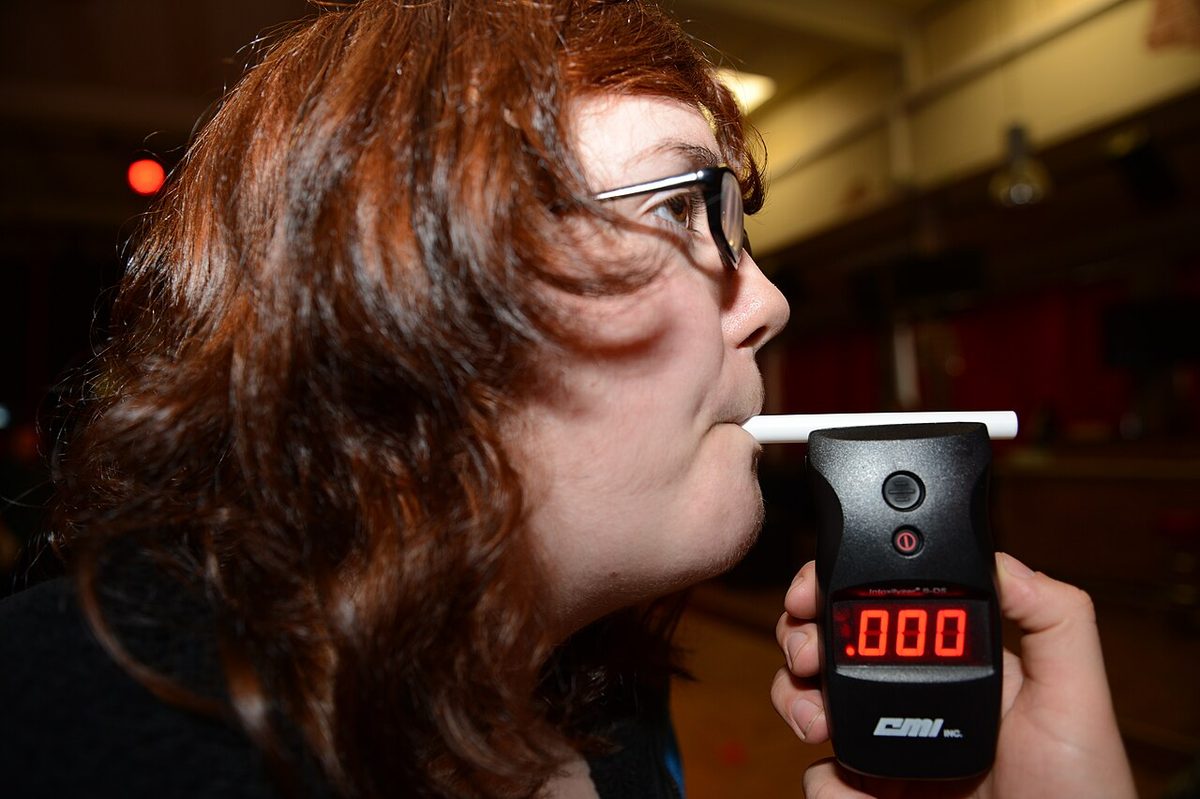
Offences on the ground count too. 14 CFR 61.15 requires a pilot to send the FAA a written report of each motor vehicle action within 60 days. A motor vehicle action is a conviction for driving under the influence of alcohol or drugs, or a suspension, revocation, cancellation or denial of a driving licence for a reason related to alcohol or drugs. Failure to report is grounds for action, two or more actions within 3 years are grounds for denying, suspending or revoking certificates, and the action must also be disclosed on the next medical application.
Airline pilots in the United States are also in the DOT drug and alcohol testing programme under 14 CFR Part 120, which covers Part 121 and 135 operators and air tour operators. It requires pre-employment, random, post-accident, reasonable-suspicion, return-to-duty and follow-up testing; the drug panel covers marijuana, cocaine, opioids, amphetamines and PCP. A refusal to test counts as a positive result, an alcohol concentration of 0.04 or more is a violation, and a reading from 0.02 to 0.039 requires removal from duty.
HIMS and substance abuse programmes
The AIM lists alcoholism and drug dependence among the conditions that disqualify under 14 CFR Part 67, but the FAA can restore a medical certificate by special issuance. For pilots with alcohol or drug dependence, the industry route back is the Human Intervention Motivation Study (HIMS), an industry-wide programme supported by the FAA, the airlines and the pilot unions. A pilot who self-reports, or is referred by colleagues or the company, is evaluated, treated and monitored, and returns to the flight deck under a special issuance if the programme succeeds.
Under the DOT rules a verified positive test or a refusal removes the pilot from safety-sensitive duties, and return depends on evaluation by a substance abuse professional (SAP), followed by a negative return-to-duty test and follow-up testing. Airlines mention HIMS at interview because they want pilots to know there is a way back: it makes colleagues more willing to intervene early and pilots more willing to seek help.
Pilot peer support
A peer support programme lets pilots take a problem, such as alcohol, stress or mental health, to fellow pilots in confidence and without fear of punishment, before it reaches the flight deck. After the Germanwings accident of March 2015 an EASA-led task force recommended pilot support systems within airlines, alongside random drug and alcohol testing and psychological evaluation before entry into service, and the BEA recommended that EASA ensure European operators promote peer support groups, in a just-culture environment, that help pilots and aim to return them to flying duties where applicable. Regulation (EU) 2018/1042 then added CAT.GEN.MPA.215, under which a commercial air transport operator must enable, facilitate and ensure access for its flight crew to a proactive and non-punitive support programme. Such a programme works only if pilots know it and trust it.
Medication and flying
The AIM divides impairing medicines into two groups. Tranquillisers, sedatives, strong pain relievers and cough suppressants impair judgement, memory, alertness, coordination, vision and calculation as their main effect; antihistamines, blood pressure drugs, muscle relaxants and medicines for diarrhoea and motion sickness can do so as side effects. Any drug that depresses the nervous system makes a pilot more susceptible to hypoxia. The FAA's safest rule is not to fly as a crewmember while taking any medication unless the FAA has approved it.
In Europe, MED.A.020 forbids exercising licence privileges while taking any medication likely to interfere with safe operation, and requires aeromedical advice on starting regular medication, whether prescribed or bought over the counter. The FAA's guidance for over-the-counter medicines is the five times dosing interval rule: wait at least five times the maximum recommended interval between doses after the last dose, so a remedy taken every 4 to 6 hours needs 30 hours.
Self-medication is dangerous because the pilot judges both the illness and the drug. The illness may be disqualifying on its own: a cold that is suppressed by an antihistamine can still block the ears and sinuses on descent. The AIM notes that decongestant sprays or drops usually do not give adequate protection against ear and sinus block, and that oral decongestants have side effects that can impair performance.
Common drug classes
- Antihistamines, in cold, flu, hay fever and allergy remedies, cause drowsiness and dizziness that the pilot may not recognise and that can return after a period of apparent alertness; many are slow-release forms.
- Analgesics. ATPL texts note that a condition needing potent pain relief usually rules out flying in its own right.
- Antacids. Some contain atropine, which can disturb vision, and sodium bicarbonate, which releases carbon dioxide that expands at altitude and can cause acute stomach pain.
- Hyoscine, the usual motion sickness drug, and other anti-sickness medicines are sedating and should not be taken without aeromedical advice; a pilot with chronic motion sickness should see an aviation medical specialist.
- Barbiturates (addictive and dangerous in overdose) and benzodiazepines (addictive, and particularly impairing with alcohol) have no place in aviation except under the strict supervision of an aviation medical specialist; melatonin also needs medical advice.
Anaesthetics and caffeine
ATPL texts advise not flying for at least 12 hours after a local anaesthetic and 48 hours after a general anaesthetic, noting that individual recovery varies. Surgery and invasive procedures also trigger the Part-MED duty to seek aeromedical advice.
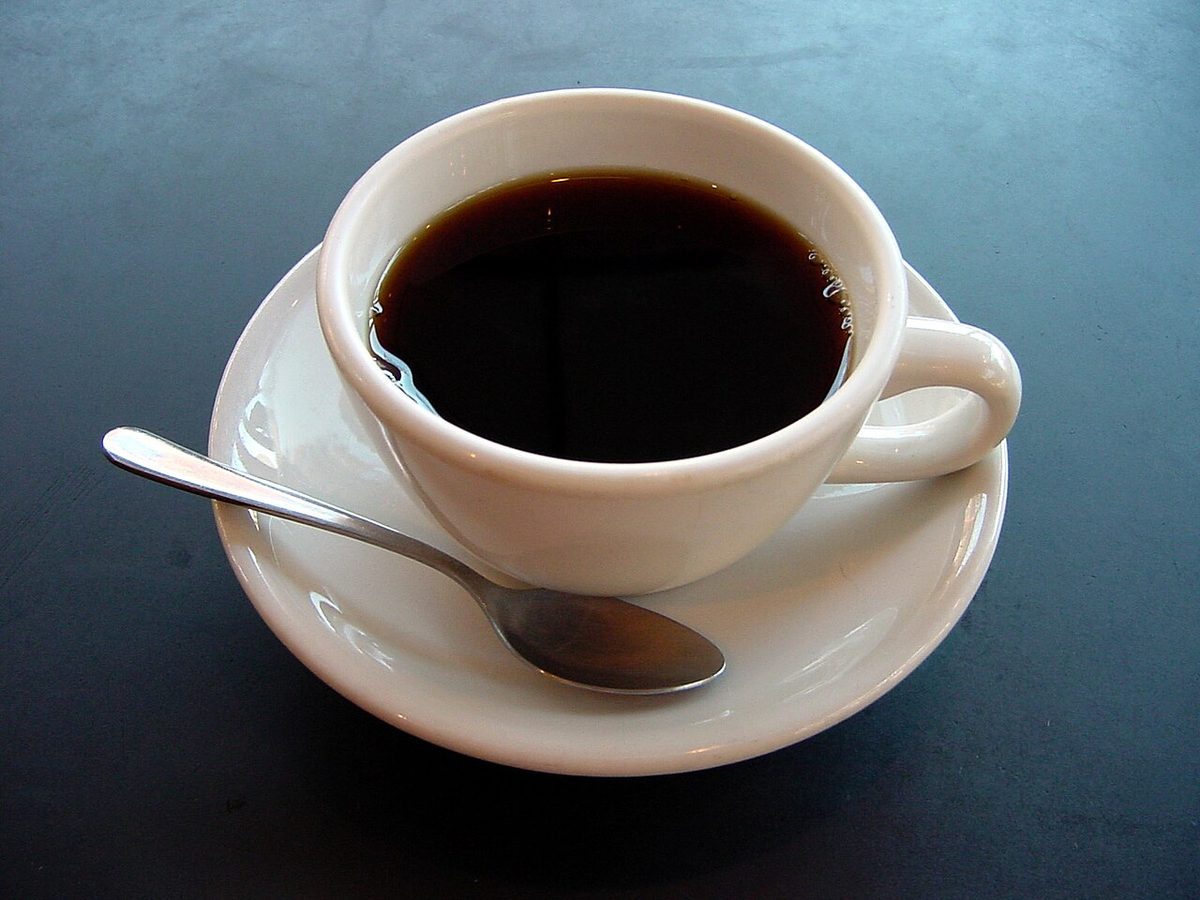
Caffeine is a useful tactical stimulant but not a substitute for sleep. It takes about 15 to 30 minutes to act, its benefit fades with habitual use, and it disturbs both deep and REM sleep, so late use deepens the sleep debt it was meant to hide. ATPL texts give a recommended maximum for aircrew of 250 to 300 mg a day, about two to three cups of coffee, and a half-life of about 4 hours. Caffeine is also a diuretic that adds to dehydration in dry cabin air.
Why alcohol limits exist
The limits are set far below road levels because flying tasks are sensitive to small impairments. ATPL texts note that significant pilot errors increase even at 40 mg per 100 ml, half the UK driving limit. Alcohol's effects on the inner ear, on hypoxia tolerance and on sleep all outlast the blood alcohol reading. For comparison, FAA guidance puts 17 hours awake at an impairment similar to a 0.05 % blood alcohol level and 24 hours at about 0.10 %, a reminder that fatigue and alcohol attack the same faculties.
The rules also protect the pilot. A limit applied at the start of duty, a fixed time since the last drink and the testing that backs them up remove the temptation to judge "fit enough" in the morning. Combined with support programmes that offer a way back, they aim to catch a problem before it reaches the flight deck.
Frequently asked questions
What is the alcohol limit for pilots?
For crew of European commercial air transport operators, no alcohol may be drunk in the 8 hours before reporting for a flight duty period or standby, and blood alcohol at the start of duty may not exceed 0.2 per mille (20 mg per 100 ml) or a lower national limit. Under 14 CFR 91.17 no one may act as a crewmember within 8 hours of drinking, while under the influence or with an alcohol concentration of 0.04 or more.
How long does it take for alcohol to leave the body?
The liver removes alcohol at a roughly constant rate, which ATPL texts put at about one unit per hour or about 15 mg per 100 ml of blood per hour. Coffee, oxygen, exercise, steam baths and sleep do not speed it up. After heavy drinking a pilot may still be over the limit more than 8 hours later, and hangover effects and inner-ear disturbance last longer still. The AIM advises 12 to 24 hours between bottle and throttle, depending on the amount drunk.
What is the five times dosing interval rule?
It is FAA guidance for over-the-counter medicines, repeated in its pilot safety material and the Guide for Aviation Medical Examiners. After the last dose the pilot should wait at least five times the maximum recommended dosing interval before flying. For a sedating antihistamine taken every 4 to 6 hours, that means 5 times 6, or 30 hours. The illness being treated must also be considered, since it may itself make the pilot unfit.
What must a pilot report after a DUI conviction in the United States?
Under 14 CFR 61.15 a pilot must send the FAA a written report of each motor vehicle action within 60 days, separately from the medical application, which also asks about such actions. A motor vehicle action is a conviction for driving under the influence, or a driving licence suspension, revocation, cancellation or denial related to alcohol or drugs. Failure to report is itself grounds for action, and two or more actions within three years are grounds for suspending or revoking certificates.
What is the HIMS program?
HIMS, the Human Intervention Motivation Study, is an industry-wide programme supported by the FAA, the airlines and the pilot unions for identifying, treating and returning to flying pilots with alcohol or drug dependence. A pilot who self-reports or is referred goes through evaluation, treatment and monitoring and, if successful, returns under an FAA special issuance medical certificate. Its purpose is to make seeking help a path back to the flight deck rather than the end of a career.
Test yourself on Alcohol, Drugs and Medication
The v1prep banks cover this topic in Human Performance and Limitations (040), with a worked explanation for every answer. EASA ATPL, PPL, IR and CPL, the FAA written tests and A320/B737 type ratings.
Start practising →Sources and further reading
- 14 CFR 91.17, Alcohol or drugs
- 14 CFR 61.15, Offenses involving alcohol or drugs
- 14 CFR Part 120, Drug and Alcohol Testing Program
- EASA Easy Access Rules for Air Operations (CAT.GEN.MPA.100 and its AMC on alcohol, CAT.GEN.MPA.170 psychoactive substances, CAT.GEN.MPA.215 support programme)
- EASA Easy Access Rules for Aircrew, Part-MED (MED.A.020, Decrease in medical fitness)
- FAA Aeronautical Information Manual, Chapter 8 Section 1 (8-1-1, Fitness for Flight)
- FAA Pilot's Handbook of Aeronautical Knowledge (FAA-H-8083-25), Chapter 17, Aeromedical Factors
- EASA-led Task Force on the Germanwings Flight 9525 accident, Final Report (July 2015)
Library articles are written for study and exam preparation. They do not replace your aircraft's approved documentation, your operator's procedures or the regulations themselves.